Dealing with negative entries on your financial history can feel overwhelming. Many people experience stress when facing these challenges. You’re not alone in this situation.
This comprehensive guide explores proven strategies for addressing collection entries. We’ll cover both traditional approaches and innovative alternatives. Our goal is to help you prevent these issues from appearing initially.

When accounts become severely overdue, creditors often transfer them to external agencies. These entries then appear on your financial history. Understanding this process is the first step toward resolution.
Unpaid-Invoices.com offers a modern SaaS platform for managing overdue accounts. This solution helps businesses avoid traditional agencies entirely. It provides a cost-effective alternative that maintains client relationships while achieving payment goals.
Whether you’re dealing with existing entries or want to prevent future issues, this guide provides actionable steps. You’ll learn about dispute processes, legal rights, negotiation strategies, and digital tools. With the right information, you can improve your financial situation effectively.
Key Takeaways
- Collection entries appear when overdue accounts get sent to external agencies
- Both traditional and modern approaches exist for addressing these issues
- Proactive account management can prevent entries from appearing
- Digital platforms offer alternatives to traditional collection methods
- Understanding your rights and options is crucial for resolution
- Maintaining professional relationships during resolution is possible
- Step-by-step processes make financial recovery more manageable
Introduction: The Impact of Debt Collection on Credit Reports
Understanding the timeline of collection accounts on your financial profile is essential. When regular payments stop for several months, creditors often transfer responsibility to specialized agencies.
Overview of Debt Collection and Its Effect on Credit Scores
This transfer creates a significant negative mark on your financial history. The entry can lower your numerical rating substantially. Different scoring models treat these entries uniquely.
Newer systems may ignore resolved obligations entirely. Older models still used by many lenders consider both paid and unpaid entries. Medical bills under $500 receive special consideration in current systems.
The timeline for these entries is often misunderstood. They remain visible for seven years from the original missed payment date. This period starts with the first delinquency, not when the agency becomes involved.
Why Removing Collections Is Crucial for Financial Health
These negative marks create substantial barriers to financial opportunities. They can affect loan approvals, rental applications, and even employment prospects. Resolving these entries demonstrates financial responsibility to future lenders.
While paying an obligation changes its status to “paid,” the entry typically remains. However, settled accounts usually have less impact than unresolved ones. The good news is these entries are temporary rather than permanent.
There are legitimate approaches for addressing inaccurate information. You can also minimize the impact of valid entries during their required visibility period.
How to Remove Debt Collection from Credit Report
You have more power than you might think when facing collection account challenges. Several legitimate approaches can help improve your financial standing.
Steps to Challenge Inaccurate Information
The Fair Credit Reporting Act gives you the right to dispute any questionable information. If the collection agency cannot verify the account’s accuracy within 30 days, the credit bureau must delete it.
Start by reviewing your credit report carefully. Look for incorrect amounts, wrong dates, or accounts that don’t belong to you. Document everything before filing your formal dispute.
The Role of Goodwill Deletions and Disputes
Sometimes life circumstances like job loss or medical issues cause payment problems. In these cases, you can request a goodwill deletion from the collection agency.
Write a sincere letter explaining your situation and positive payment history. While not guaranteed, this approach can work well for one-time issues rather than patterns of missed payments.
Another option is negotiating a pay-for-delete agreement. Get any removal promise in writing before making a payment. This creates a binding arrangement for account deletion.
Remember that paying off a debt changes its status to “paid,” which looks better to lenders. Even if removal isn’t possible, resolution demonstrates financial responsibility.
Understanding Overdue Accounts and Traditional Debt Collection
Traditional collection processes often create more problems than they solve for both creditors and debtors. The conventional approach follows a rigid timeline that can severely impact financial standing.
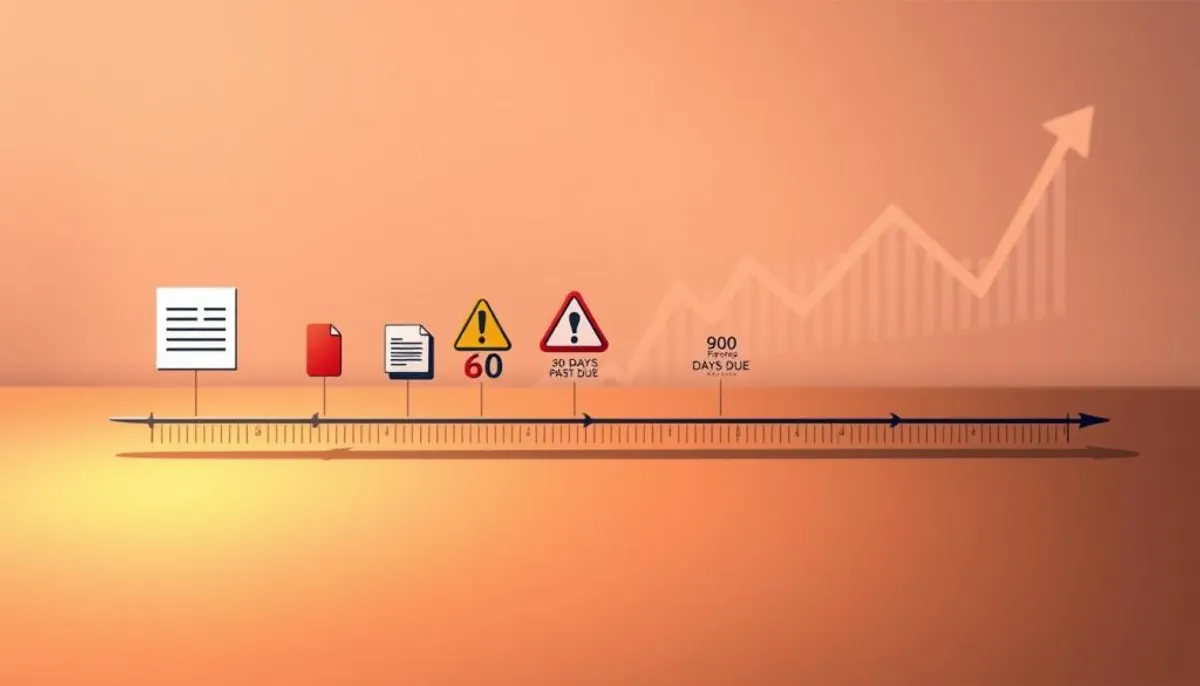
When an account becomes overdue, it follows a predictable path toward collection status. This progression creates multiple negative marks on financial records.
| Time Period | Account Status | Credit Impact |
|---|---|---|
| 30 days late | Delinquent | Initial score drop |
| 120-180 days late | Charged off | Major score reduction |
| After charge-off | Sent to agency | Additional collection entry |
Creditors typically transfer problematic accounts to external agencies after several months of non-payment. These third-party firms often use aggressive tactics that damage business relationships.
The traditional system creates adversarial dynamics between companies and their clients. This approach prioritizes immediate recovery over long-term relationship preservation.
Many businesses seek alternatives that maintain professionalism while addressing payment issues effectively. Modern solutions focus on preserving client connections throughout the resolution process.
Embracing an Alternative with Unpaid-Invoices.com
There’s a revolutionary way to manage unpaid invoices without damaging relationships. Unpaid-Invoices.com provides a modern SaaS platform designed specifically for overdue account resolution.
This innovative solution offers businesses a complete alternative to traditional debt collection methods. It helps companies avoid using external collection agency services entirely.
How the Platform Automates Reminders and Escalates Issues
The system automatically sends professional payment reminders at strategic intervals. It intelligently escalates communications from gentle nudges to firmer requests.
This automated approach maintains professionalism while increasing urgency. Clients receive customized messages that encourage settlement without creating conflict.
Maintaining Client Relationships While Collecting Payments
Unlike traditional debt collection approaches, this platform preserves business relationships. It treats clients as valued partners rather than adversaries.
The respectful communication style means you can continue working together after resolution. This creates a win-win situation for both parties involved.
Businesses keep more of their money with predictable subscription pricing. They also prevent accounts from reaching the stage that damages client credit report standings.
Streamlining the Dispute Process for Credit Bureaus
You have important legal rights when challenging information on your credit reports. The three major credit bureaus must investigate your claims within 30 days. This process helps ensure accurate credit reporting for everyone.
Before contacting the bureaus, gather your supporting documents. Collect payment records, bank statements, and any correspondence. Strong evidence makes your dispute more effective.
Filing Disputes with Experian, TransUnion, and Equifax
Each bureau offers three dispute methods with different advantages. Online filing is fastest, while mail provides the best documentation. Phone disputes offer personal assistance.
| Dispute Method | Processing Time | Documentation |
|---|---|---|
| Online | Fastest (usually days) | Digital trail |
| Phone | Moderate (1-2 weeks) | Call records |
| Slowest (30 days) | Paper trail |
Gathering and Presenting Supporting Documentation
Keep copies of everything you send to the bureaus. Never mail original documents. Certified mail with return receipt provides proof of delivery.
Contact each bureau separately since they maintain independent databases. Removal from one doesn’t automatically clear the others. Persistence pays off in accurate credit reporting.
Leveraging Digital Tools for Efficient Debt Resolution
Modern technology offers powerful solutions for preventing payment issues before they escalate. Digital platforms transform how businesses manage overdue accounts. They provide efficient alternatives to traditional methods.
These tools focus on early intervention and relationship preservation. Automated systems handle the repetitive work of payment follow-ups. This allows businesses to maintain positive client connections.
Integrating Automated Payment Alerts
Automated alert systems monitor due dates and send reminders proactively. They contact clients through multiple channels for better reach. This approach significantly reduces missed payments.

Customization features let you maintain your brand’s professional tone. Messages feel like helpful notifications rather than demands. Direct payment links in alerts make settling accounts effortless.
Real-time tracking provides complete visibility into your accounts receivable. You see which clients received reminders and which made payments. This eliminates guesswork and improves cash flow management.
| Communication Channel | Best For | Response Rate |
|---|---|---|
| Detailed messages with payment links | High | |
| SMS | Quick reminders for mobile users | Very High |
| Automated Calls | Clients who prefer voice communication | Moderate |
These digital tools save considerable time for business owners. They handle payment collection tasks automatically. This allows focus on growth instead of chasing payments.
Early resolution through automation prevents accounts from reaching critical stages. Both businesses and clients avoid negative financial impacts. It’s a win-win approach to account management.
Credit Repair and Financial Recovery Strategies
Rebuilding your financial standing requires consistent positive habits after addressing negative marks. While resolving collection issues is crucial, establishing strong financial patterns creates lasting improvement. These strategies work together to restore your credit health.
Improving Credit Utilization and Payment Histories
Payment history significantly influences your credit score. Making timely payments demonstrates reliability to lenders. Consider setting up automatic payments to avoid missed due dates.
Your credit utilization ratio measures how much available credit you’re using. Keeping this below 30% shows responsible credit management. Aim for under 10% for optimal results.
| Strategy | Impact on Score | Time Frame | Difficulty Level |
|---|---|---|---|
| Pay bills on time | High positive impact | Immediate | Easy |
| Reduce credit card balances | Significant improvement | 1-3 months | Moderate |
| Keep old accounts open | Moderate boost | Ongoing | Easy |
| Avoid new credit applications | Prevents temporary drops | Immediate | Easy |
Don’t close unused credit card accounts. These help your utilization ratio by increasing available credit. Multiple open accounts with zero balances improve your profile.
Monitor your progress regularly through free credit reports. Watch your score improve as positive habits accumulate. This comprehensive approach ensures sustainable financial recovery.
Navigating Legal and Negotiation Options for Collections
Federal laws provide powerful safeguards for consumers dealing with collection agencies. The Fair Debt Collection Practices Act (FDCPA) and Fair Credit Reporting Act (FCRA) establish clear rules for how accounts can be handled.
Understanding Your Rights under the FDCPA and FCRA
These laws protect you from harassment and ensure accurate reporting. Collection agencies cannot call at unreasonable hours or use threatening language.
You have the right to request debt validation within 30 days of contact. The agency must provide proof of the obligation before continuing collection efforts.
When to Seek Professional Legal Assistance
Consider legal help when facing identity theft or multiple disputed accounts. Professional assistance is also valuable when collectors violate consumer protection laws.
Complex situations involving potential FDCPA violations often benefit from expert guidance. Legal professionals can navigate the seven-year reporting period requirements effectively.
| Scenario | Recommended Action | Potential Outcome |
|---|---|---|
| Incorrect reporting dates | File formal dispute with bureaus | Correction or removal |
| FDCPA violations | Consult consumer protection attorney | Legal remedy and possible removal |
| Identity theft issues | Legal assistance required | Complete account resolution |
| Multiple collection accounts | Coordinated legal strategy | Comprehensive solution |
Always document communications with creditors and agencies. Keep records of dates, times, and conversation details. This documentation becomes crucial evidence if legal action becomes necessary.
Conclusion
The path to better financial health involves both resolving past issues and preventing future ones. This guide has shown you effective strategies for addressing collection accounts while maintaining positive relationships.
Remember your rights under consumer protection laws when disputing inaccurate information. Building positive payment habits simultaneously accelerates your recovery journey.
Modern tools like Unpaid-Invoices.com offer proactive solutions that prevent accounts from reaching critical stages. These platforms maintain professionalism while achieving payment goals.
Collection entries don’t define your financial future permanently. With the right combination of corrective actions and preventive measures, you can achieve the healthy financial profile you deserve.
FAQ
How long does a debt collection stay on my credit reports?
A collection account can remain on your credit report for up to seven years from the date of the original missed payment that led to the account being sent to collections. This timeline is set by the Fair Credit Reporting Act (FCRA).
Can I get a collection account removed from my credit file if it’s accurate?
Yes, it is sometimes possible. You can try a goodwill letter to the original creditor or a pay-for-delete negotiation with the collection agency. If the information is reported incorrectly by the credit bureaus, you can file a formal dispute to have it corrected or removed.
What’s the fastest way to dispute an error on my credit report?
The fastest method is usually to file a dispute online directly with the three major credit bureaus: Experian, Equifax, and TransUnion. You can also dispute the information with the creditor or collection agency reporting it. Always include copies of any supporting documentation.
Will paying off a collection account improve my credit score?
Paying a collection account may not immediately boost your credit score, as the negative mark itself remains. However, some newer credit scoring models ignore paid collections. The primary benefit is that it shows future lenders you’ve resolved the debt.
What is a pay-for-delete agreement?
A pay-for-delete is a negotiation where you ask a collection agency to remove the negative entry from your credit reports in exchange for payment. It’s not always successful, as agencies are not required to agree, but it can be an effective strategy for credit repair.
How does Unpaid-Invoices.com help prevent accounts from going to collections?
Unpaid-Invoices.com helps businesses by automating payment reminders and escalating issues professionally before an account becomes severely overdue. This proactive approach helps maintain cash flow and client relationships, preventing the need for traditional debt collection.
What are my rights when dealing with a collection agency?
The Fair Debt Collection Practices Act (FDCPA) protects you from harassment. Collectors cannot call at unreasonable times, use abusive language, or misrepresent the debt. You also have the right to request validation of the debt in writing.
RelatedRelated articles
- 18 Jan 2026·1 min readClaiming VAT on Unpaid Invoices: Know HowCreditors
 Running a business presents numerous financial challenges. Dealing with unpaid invoices while remaining responsible for Value Added Tax (VAT) ranks among the most frustrating scenarios. Can you claim VAT on unpaid invoices? This critical question tr...