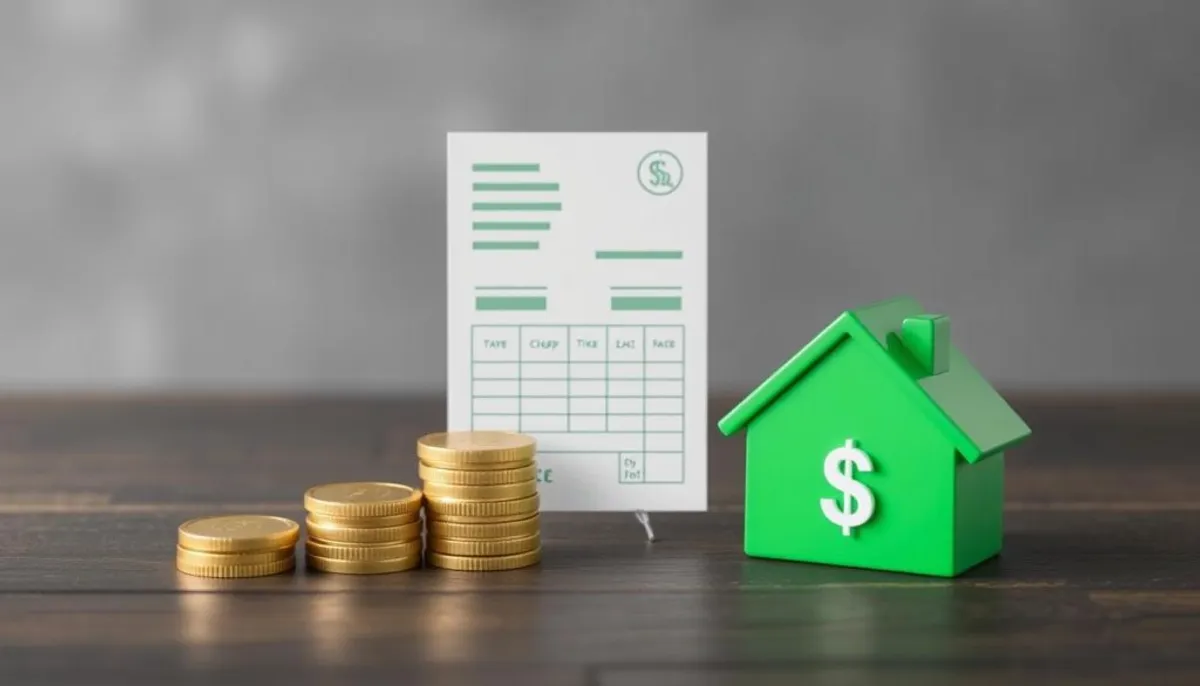
Navigating the world of business finances can be tricky, especially concerning unpaid invoices. Yes, an unpaid invoice is absolutely considered a debt! Providing goods or services and issuing an invoice creates a legal obligation for payment—which defines debt.
Business owners often feel frustrated when clients don’t pay on time. Understanding the nature of unpaid invoices is the first step to managing them effectively. Whether an invoice is still within the payment window or overdue, it represents money owed to your business.
This resource will provide practical strategies and tools to help you handle unpaid invoices professionally. We’ll explore everything from understanding what constitutes a debt to effective collection methods. These approaches protect your business’s financial health and maintain professional relationships.
Key Takeaways
- Unpaid invoices are legally considered a form of debt
- Every invoice represents a financial obligation
- Timely invoice management is crucial for business cash flow
- Understanding invoice status helps prevent financial strain
- Professional collection strategies can improve payment rates
What Does an Unpaid Invoice Actually Mean?
Understanding the lifecycle of an invoice is crucial for small business owners and freelancers. The moment you deliver goods or services and issue an invoice, a legal financial obligation is created. This document represents more than just a piece of paper. It’s a formal request for payment that carries significant financial implications.
An invoice enters a critical phase that determines its potential for payment. The urgency and risk level change dramatically based on whether it’s outstanding or overdue. Financial experts reveal a stark reality: invoices become 60% less likely to be paid after 90 days. This underscores the importance of prompt payment tracking.
Understanding Invoice Status
Not all unpaid invoices are created equal. The key stages of an invoice’s financial journey vary significantly:
- Outstanding Invoice: A payment that is due but not yet past the payment deadline
- Overdue Invoice: A payment that has exceeded the agreed payment terms
- Potential Debt: An invoice that remains unpaid beyond standard collection periods
When Does an Invoice Transform into Debt?
An invoice technically becomes a debt the instant it’s issued. All unpaid invoices are debts, but not all require the same level of aggressive collection. The critical factors include:
- Payment terms specified in the original agreement
- Time elapsed since the invoice date
- Communication with the client about payment
Smart business owners recognize that early intervention is key. Tracking and managing invoices proactively can significantly reduce the risk of them becoming problematic debts.
Is an Unpaid Invoice a Debt?
An unpaid invoice is absolutely a debt. You create a legal financial obligation by providing goods or services and issuing an invoice. The customer owes you money from the moment the invoice is generated.
Understanding invoice debt involves recognizing its lifecycle in business finances:
- Initial stage: Accounts receivable (current asset)
- Aging stage: Potential collection challenges
- Final stage: Potential bad debt classification
Legally speaking, an invoice represents a contractual commitment. The debt exists regardless of whether the payment is currently overdue. Think of it as money you have the right to receive—a financial claim against the customer.
Recognizing unpaid invoices as debt isn’t negative. This perspective highlights your legal rights and provides a foundation for taking appropriate collection actions.
Businesses can leverage various strategies to manage invoice debt:
- Send friendly payment reminders
- Use automated collection platforms
- Implement clear payment terms
- Track accounts receivable consistently
Understanding invoice debt transforms potential financial challenges into opportunities for improved cash flow management.
How Unpaid Invoices Impact Your Business Finances
Unpaid invoices aren’t just paperwork problems—they’re silent business killers that dramatically undermine your financial stability. Small businesses and entrepreneurs face significant challenges when customers delay or avoid payments.

The financial consequences of unpaid invoices extend far beyond simple inconvenience. They create complex ripple effects that can destabilize your entire business operations.
The Cost of Accounts Receivable
Accounts receivable represent more than just numbers on a spreadsheet. Every unpaid invoice represents real money tied up in unproductive channels. Consider the hidden expenses that accumulate with each delayed payment.
- Staff time spent tracking and chasing payments
- Administrative software and communication costs
- Potential legal resources for collection efforts
- Opportunity costs of delayed revenue
You’ve already delivered products or services, yet those uncompensated efforts translate into free financing for your customers. This represents a dangerous financial strategy that undermines your business sustainability.
Cash Flow Consequences
Cash flow is the lifeblood of any business. Unpaid invoices create dangerous financial bottlenecks that prevent growth and sustainability.
Imagine invoicing $50,000 but collecting only $20,000. You still must:
- Make payroll
- Pay rent and utilities
- Purchase inventory
- Invest in future opportunities
Persistent cash flow problems might force businesses to take expensive short-term loans. You could miss critical growth opportunities. The worst-case scenario involves risking potential business closure.
Proactive invoice management isn’t just recommended—it’s essential for financial survival.
Legal Rights and Obligations with Outstanding Invoices
Navigating unpaid invoices requires a strategic approach that balances legal rights with professional ethics. Business owners have multiple options for dealing with outstanding payments. Understanding proper collection procedures protects both your business and client relationships.
Your legal toolkit for addressing unpaid invoices includes several key strategies:
- Send payment reminders through multiple channels
- Make phone calls to discuss outstanding balances
- Charge late fees as specified in your original terms
- Report delinquent accounts to credit bureaus
- Hire professional collection services
- Consider legal action through small claims court
Important: Professional collection practices demand acting in good faith. This means providing accurate debt information and following legal guidelines. The Fair Debt Collection Practices Act (FDCPA) protects consumers from aggressive collection tactics. Maintaining a respectful approach remains crucial throughout the process.
Invoice disputes can arise from product quality issues, service delivery problems, or billing errors. Business owners must be prepared to address legitimate concerns professionally. Before writing off an invoice as bad debt, you’re legally required to make reasonable collection efforts.
Services like unpaid-invoices.com can help you navigate these challenges systematically. These platforms ensure you exercise your rights while maintaining professional relationships.
Effective Strategies to Collect Outstanding Payments
Managing unpaid invoices requires a strategic approach that balances professionalism with effective communication. Different clients need different collection strategies to ensure timely payments. This approach helps maintain positive business relationships while securing what you’re owed.
Building a Personalized Collection Strategy
Not all clients are the same, and your payment collection approach should reflect this reality. Your biggest clients might appreciate a personal touch like a friendly phone call before email reminders. Habitual late payers might require more structured follow-ups with firmer communication.
- Create tiered communication strategies based on client history
- Provide consolidated invoice views to reduce payment confusion
- Develop gentle reminder sequences for good customers
- Design firmer communication paths for problematic accounts
Automating Payment Reminders
Manual invoice tracking is time-consuming and error-prone for most businesses. Automation ensures consistent, professional communication without additional administrative burden. This system works around the clock to keep your cash flow healthy.
| Reminder Stage | Communication Type | Timing |
|---|---|---|
| Initial Reminder | Friendly heads-up | Before due date |
| First Follow-up | Polite reminder | On due date |
| Escalation | Firm notice | One week after due date |
Unpaid-invoices.com provides an automated system that lets you create personalized reminder sequences. These automated workflows maintain a professional tone while ensuring no invoice falls through the cracks.
When to Write Off an Unpaid Invoice as Bad Debt
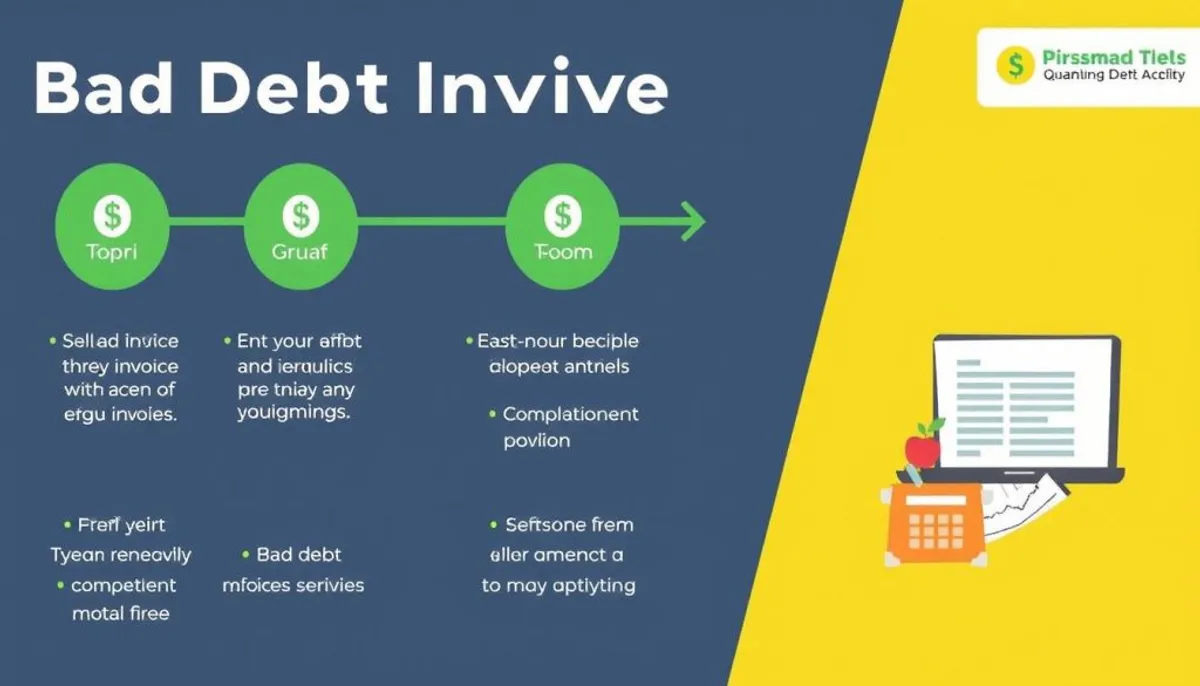
Deciding to write off an unpaid invoice isn’t a sign of failure—it’s a strategic financial management technique. Small businesses often struggle with uncollectible accounts that drain valuable time and resources.
You should consider writing off an invoice when you’ve exhausted all reasonable collection efforts. This typically occurs in several key scenarios:
- Customer has gone out of business
- Customer declared bankruptcy
- Cost of continued collection exceeds invoice amount
- Debt becomes time-barred by state statute of limitations
The 90-day mark is crucial. Once an invoice reaches 90+ days overdue, collection chances drop dramatically. Smart businesses recognize this critical decision point and take proactive steps.
Writing off bad debt offers multiple practical benefits:
- Cleans financial records by removing phantom “assets”
- Allows tax deduction for the loss
- Frees team from pursuing uncollectible accounts
- Provides accurate cash flow picture
The basic write-off process involves:
| Step | Action |
|---|---|
| 1 | Confirm invoice recorded and income reported |
| 2 | Document all collection attempts |
| 3 | Create bad debt expense entry |
| 4 | Remove amount from accounts receivable |
Consulting your accountant ensures you’re following proper tax procedures. Using unpaid-invoices.com can help prevent invoices from reaching the write-off stage. The platform catches potential issues early.
How Unpaid-Invoices.com Helps You Manage Overdue Accounts
Dealing with unpaid invoices can drain your business’s energy and resources. Unpaid-invoices.com emerges as a game-changing SaaS platform designed to transform overdue account management. The system delivers minimal stress and maximum efficiency for businesses struggling with late payments.
Small businesses and freelancers face significant challenges when clients delay payments. The innovative unpaid-invoices.com platform offers a comprehensive solution that automates the entire payment collection process.
Streamlined Automated Reminder System
The platform’s core strength lies in its intelligent reminder system. Users can easily:
- Import outstanding invoices quickly
- Set customizable reminder schedules
- Create professionally crafted email templates
- Track invoice status in real-time
A Superior Alternative to Traditional Collection Agencies
Unpaid-invoices.com stands out by providing a cost-effective approach that preserves client relationships. Traditional debt collectors charge 25-50% of collected funds, creating expensive overhead costs. This platform offers an affordable subscription model that keeps communication professional and constructive.
The platform’s key advantages include:
- Proactive payment reminders
- Maintaining positive client relationships
- Avoiding aggressive collection tactics
- Saving time and reducing administrative burden
Leveraging unpaid-invoices.com transforms your accounts receivable process completely. The system ensures smoother cash flow while maintaining healthier client interactions throughout the collection cycle.
Your Rights When Dealing with Debt Collectors
Navigating debt collection presents real challenges for business owners today. Understanding your rights becomes crucial when managing unpaid invoices. Knowledge protects you during potential debt collection scenarios.
This guide focuses on collecting payment for your business invoices effectively. Understanding debt collection rights helps ensure ethical business practices. These protections also safeguard you if collectors contact you about debts.
Fair Debt Collection Practices Act: Your Legal Shield
The Fair Debt Collection Practices Act (FDCPA) provides critical consumer protection. This federal law specifically targets personal debts.
- Credit card balances
- Medical bills
- Mortgages
- Student loans
- Car loans
Important note: The FDCPA does not cover business-to-business debt collection. Debt collectors must provide clear validation information under this law. They must identify who is collecting the debt. The total amount owed must be disclosed clearly.
Collectors must also explain how to dispute the debt.
What Debt Collectors Can and Cannot Do
Debt collectors operate under strict federal guidelines. Several actions are explicitly prohibited by law.
- Calling before 8 a.m. or after 9 p.m.
- Contacting you at work if forbidden
- Making more than seven calls in seven days
- Using threatening or obscene language
- Falsely representing the debt amount
- Threatening illegal actions
Unpaid-invoices.com maintains professional, respectful communication that never crosses ethical lines. Our approach preserves business relationships while ensuring effective debt resolution.
Tax Implications and Accounting for Unpaid Invoices
Navigating the tax landscape of unpaid invoices requires understanding two primary accounting methods. Your choice between accrual and cash methods determines how you manage these financial challenges. Each approach offers distinct advantages for handling uncollected payments. Understanding these methods helps you make informed decisions about your business finances.
The accrual method recognizes revenue when earned and expenses when incurred. Unpaid invoices appear as accounts receivable on your balance sheet. These receivables can later transform into bad debt expenses. Documenting these write-offs may reduce your overall tax burden.
- Accrual accounting records income when invoiced
- Unpaid invoices sit in accounts receivable as assets
- Bad debt expenses can reduce taxable income
Cash method accounting takes a different approach by recognizing income only upon payment receipt. Unpaid invoices are typically not written off because they were never recorded as income in the first place. This creates fewer tax implications for uncollected invoices.
Critical requirements for writing off bad debt include:
- Income must have been reported on a previous tax return
- Reasonable collection efforts must be documented
- Balance sheet changes include adjustments to accounts receivable
Professional advice proves crucial for proper write-off handling. Consulting with a tax professional ensures compliance with your specific business structure. State regulations vary, making expert guidance essential for accurate financial reporting.
Conclusion
An unpaid invoice is absolutely considered debt. Understanding these financial implications can transform how you manage your business’s financial health. Outstanding payments represent real legal obligations that directly impact cash flow. Your business stability depends on addressing these debts promptly and strategically.
Small businesses and entrepreneurs now have powerful tools to address invoice collection strategically. Automated reminder systems streamline the process significantly. Clear communication protocols establish professional boundaries with clients. Platforms like Unpaid-Invoices.com make managing outstanding payments more efficient than ever before.
Your proactive approach matters most in recovering unpaid invoices. Implementing systematic tracking helps you monitor outstanding payments effectively. Setting clear payment terms eliminates confusion and reduces delays. Utilizing modern collection technologies can dramatically reduce the risk of prolonged outstanding invoices.
Every invoice represents earned revenue that your business deserves to receive promptly. Don’t view unpaid invoices as an unavoidable business challenge. See them as an opportunity to refine your financial management processes instead. With the right strategies and digital tools, you minimize payment delays effectively.
Maintaining positive client relationships while collecting debts is entirely possible. The right approach keeps your business’s financial engine running smoothly. Professional collection methods preserve valuable business relationships. Your financial health improves when you treat invoice management as a priority.
FAQ
Is an unpaid invoice considered a debt?
Yes, an unpaid invoice represents a form of debt. Once an invoice becomes overdue, it creates a legal financial obligation the client owes your business. The invoice transforms from a billing document to a legal debt instrument after the due date passes.
How long can an invoice remain unpaid before becoming a serious issue?
Most businesses consider an invoice overdue after 30 days. The severity depends on your specific payment terms. Some industries allow 45-60 days, while others require immediate payment. After 90 days, an unpaid invoice typically requires legal action or debt collection efforts.
What steps should I take when an invoice remains unpaid?
Start with professional communication. Send a friendly but firm reminder email, then follow up with a phone call. If initial attempts fail, escalate to a formal demand letter. Document all communication, and consider using automated invoicing systems to track outstanding payments efficiently.
Can unpaid invoices impact my business credit?
Absolutely. Consistent unpaid invoices can negatively affect your business’s credit rating. This makes it harder to secure loans, negotiate with suppliers, or establish new relationships. Maintaining clean accounts receivable is crucial for your financial reputation.
Are there legal protections for businesses with unpaid invoices?
Yes, businesses have legal recourse. The Uniform Commercial Code provides protections for collecting legitimate business debts. You can pursue legal action, use debt collection agencies, or file a lawsuit. Always consult with a legal professional to understand your specific rights.
When should I consider writing off an unpaid invoice?
Consider writing off an invoice as bad debt if collection efforts have been exhausted. This typically occurs after 120-180 days of non-payment. Write off invoices when the cost of pursuing payment exceeds the invoice amount. Consult with your accountant to understand the tax implications and proper accounting procedures.
How can I prevent unpaid invoices in the future?
Implement proactive strategies like:
– Clear, upfront payment terms
– Partial upfront payments
– Automated invoicing and reminder systems
– Credit checks for new clients
– Offering multiple convenient payment options
Do unpaid invoices affect tax reporting?
Yes. Unpaid invoices can be reported as bad debt expenses on your tax return. This potentially provides a tax deduction. The IRS allows businesses to write off uncollectible debts, which can help offset financial losses. Always work with a tax professional to ensure proper documentation and reporting.