Welcome to a guide that will change how you handle late payments. We will explore how modern software can automate your collections process. This approach is friendly, efficient, and saves money.
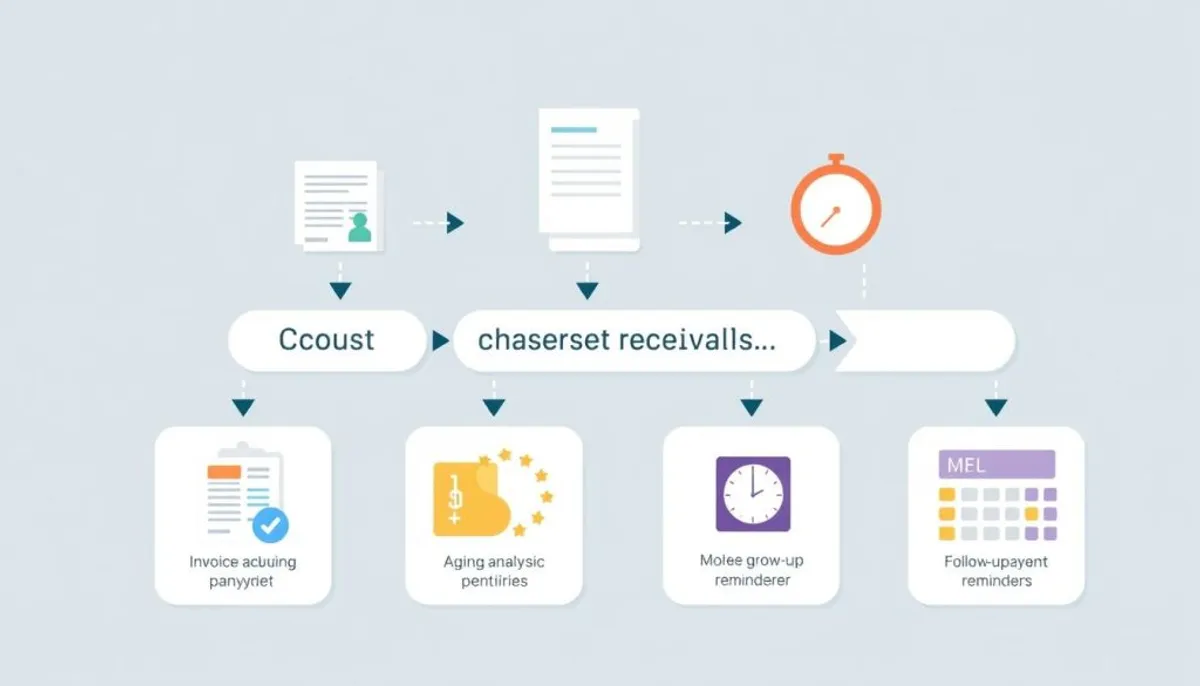
Many businesses face a tough reality. On average, companies wait 50 to 72 days to process an invoice by hand. This creates major delays in your cash flow. In 2024, half of all U.S. B2B invoices were overdue.
This is where unpaid-invoices.com makes a difference. It is a smart platform designed to manage and resolve overdue payments. It automates reminders and escalates issues without damaging client relationships. This offers a cost-effective alternative to traditional debt collection agencies.
This guide will show you practical ways to transform your receivable management. You will learn actionable strategies for streamlining every step. From sending the first notice to collecting the final payment, automation helps you get paid faster.
Key Takeaways
- Manual invoice processing often takes 50-72 days, hurting your cash flow.
- In 2024, half of all B2B invoices in the U.S. were overdue.
- Automating your accounts receivable process speeds up payment collection.
- SaaS platforms like unpaid-invoices.com provide a friendly, efficient alternative to collection agencies.
- Automation helps maintain strong customer relationships while improving financial health.
- You can significantly reduce the time and cost of managing overdue invoices.
Introduction to Accounts Receivable and Automation
The money customers owe your business isn’t just a number on a page; it’s vital capital waiting to be unlocked. This sum, known as accounts receivable, is the total outstanding for goods services delivered but not yet paid for.
On your company’s balance sheet, this amount is a current asset. It represents future cash that should arrive within 30 to 90 days. This is the money business needs for daily operations and growth.
Defining Accounts Receivable
Simply put, it’s the amount customers owe after a credit purchase. You provide a product or service, and the invoice becomes a receivable until paid. Efficient collection turns this paper asset into real money customers owe in your bank account.
Why Automation Matters
Manual tracking is slow and prone to error. It creates cash flow bottlenecks. Human teams can miss follow-ups, leaving money on the table.
Automation transforms this waiting game. It creates a proactive, systematic collection process. This ensures invoices are pursued consistently and payments arrive faster.
| Process Aspect | Manual Method | Automated System |
|---|---|---|
| Invoice Follow-up | Relies on memory, often delayed | Scheduled, timely reminders |
| Error Rate | Higher potential for mistakes | Reduced by systematic checks |
| Payment Speed | Slower, inconsistent collection | Faster, predictable cash inflow |
Overview of Unpaid Invoices SaaS
The challenge of collecting overdue invoices without damaging valuable client partnerships requires a sophisticated approach. unpaid-invoices.com provides exactly this solution—a specialized platform designed to manage outstanding accounts receivable while preserving business relationships.
Getting started is straightforward. Users simply sign up and connect their existing invoicing system. The platform immediately begins automating payment reminders and escalations based on your preferences. This automation software handles the entire process effortlessly in the background.
The system sends carefully timed communications that encourage payment without creating tension. From gentle initial reminders to more assertive follow-ups, every message maintains professionalism. This approach protects your customer relationships while improving collection rates.
| Feature | unpaid-invoices.com | Traditional Agencies |
|---|---|---|
| Cost Structure | Fixed monthly fee | 25-50% of recovered amounts |
| Relationship Impact | Preserves partnerships | Often damages relationships |
| Communication Style | Professional & respectful | Aggressive & confrontational |
| Control Level | Full customization | Limited input |
This modern alternative combines the efficiency of automation software with relationship-focused communication. Businesses can achieve better results in their collection efforts while maintaining their reputation and client trust.
By using unpaid-invoices.com, companies transform their accounts receivable management into a proactive, relationship-preserving process. The platform ensures you get paid faster without sacrificing valuable customer relationships.
The Importance of Efficient Accounts Receivable Management
Your company’s financial heartbeat depends on how effectively you manage the money owed to you. Strong accounts receivable management directly determines whether you can pay employees, cover vendor bills, and fund daily operations. Without this cash, even profitable businesses can struggle.
Poor tracking creates a dangerous illusion. Your sales numbers might look impressive on paper, but your bank account tells a different story. The money hasn’t actually arrived yet. This gap between recorded sales and available cash can cripple operations.
When outstanding balances pile up, your company’s liquidity suffers. You might be technically profitable but unable to access the earnings you’ve worked for. Effective receivable management provides clear visibility into what customers owe and when payments should arrive.
| Aspect | Efficient Management | Inefficient Management |
|---|---|---|
| Cash Availability | Predictable, healthy flow | Unreliable, frequent shortages |
| Strategic Planning | Informed hiring and investment decisions | Reactive, crisis-based choices |
| Collection Success | High recovery rates | Increasing bad debt risk |
| Business Relationships | Professional, consistent follow-up | Strained partnerships |
With half of all B2B invoices overdue in 2024, proper tracking isn’t optional—it’s essential for survival. Good systems prevent the cash crunches that force expensive loans or missed opportunities. They help you maintain healthy cash flow for sustainable growth.
Knowing exactly what’s coming in allows for smart planning. You can make confident decisions about inventory, expansion, and staffing. This visibility transforms your accounts receivable from a challenge into a strategic advantage.
Examples of Accounts Receivable in Real-World Scenarios
Seeing accounts receivable in action helps clarify this essential business concept. Consider a software consulting firm that completes a project and invoices their client $15,000 with 30-day payment terms. This entire sum becomes an accounts receivable entry until payment arrives.
In another common situation, a supplier delivers office equipment to a business client. The invoice issued with a 30-day credit period represents the total amount owed. This value stays on the balance sheet as a current asset during the credit period.
Different industries manage these obligations in various ways. A wholesale supplier shipping $50,000 worth of goods services to a retailer creates a substantial receivable. A marketing agency billing $8,000 for monthly services records this as money due from clients.
Even subscription businesses deal with this financial element. A SaaS company providing monthly access invoices customers at the cycle’s start. Any unpaid invoices represent outstanding accounts receivable until settled.
The cycle remains consistent across sectors: delivery of product service, invoice issuance, waiting period, and finally payment receipt. Each business must actively manage these receivables to ensure timely collection according to their payment terms.
Whether in manufacturing, healthcare, or retail, companies have fulfilled their obligation by providing value. The focus then shifts to converting these paper assets into actual cash through effective tracking and follow-up procedures.
The End-to-End AR Process Explained
A smooth-running accounts receivable process is like a well-oiled machine for your business finances. It transforms a potential headache into a predictable, efficient system. This workflow guides a sale from completion all the way to cash in the bank.
Every step is designed to ensure you get paid for the value you provide. Let’s walk through the key phases that make up this essential receivable process.
Invoice Creation & Dispatch
The cycle starts right after you deliver goods or complete a service. Your finance teams quickly generate a detailed invoice. This document clearly states what was provided, the total cost, and the agreed-upon payment terms.
Best practice is to send invoices immediately through email or a customer portal. This prompt action starts the clock on the payment period. It gets you closer to your due date without delay.
Automated Reminders & Follow-ups
Automation truly shines in this phase. Modern systems can schedule friendly payment reminders. A common cadence includes notices a few days before the due date, on the date itself, and at intervals after.
This automated touchpoint system ensures consistent communication. It gently nudges clients without requiring manual effort from your staff. No invoice is ever forgotten.
Payment Reconciliation Methods
The final step is matching incoming payments to the correct invoices. When a payment arrives, your system applies it to the specific outstanding balance. This action updates your records and reduces the amount owed.
Proper reconciliation closes the loop on each transaction. It gives you a clear, accurate picture of your company’s financial health. This completes the entire accounts receivable process efficiently.
Benefits of Automating Accounts Receivable
Imagine reclaiming hours each week that your team currently spends chasing payments. Automation transforms this administrative burden into a streamlined process that works quietly in the background.
The financial advantages extend far beyond simple time savings. You gain consistent cash flow and reduce financial risks.
Time and Cost Efficiency
Manual payment tracking consumes valuable resources. Teams waste hours on follow-up calls and email reminders. Automation handles these repetitive tasks automatically.
This efficiency translates directly into cost savings. You eliminate the need for dedicated collections staff. More importantly, you avoid traditional agency fees that can reach 50% of recovered amounts.
Automating accounts receivable also improves accuracy. System-generated reminders prevent human errors that lead to payment disputes. Consistent communication maintains professional relationships.
Your cash flow becomes more predictable when reminders go out on schedule. Customers pay faster, reducing collection time. This puts more money in your bank account sooner.
Early intervention through automated systems significantly reduces bad debt risk. Overdue accounts get attention before they become uncollectible. This proactive approach protects your bottom line.
Platforms like unpaid-invoices.com deliver these benefits without damaging client relationships. Your team can focus on growth instead of collections. This creates a virtuous cycle of improved financial health.
Key Features of the Unpaid Invoices SaaS Platform
Discover the powerful features that make unpaid-invoices.com a game-changer for financial management. This platform transforms how businesses handle outstanding balances with intelligent automation tools.
Getting started takes just minutes. Simply connect your existing system and configure your preferences. The platform immediately begins working to improve your cash flow.
Automated Reminders & Escalations
The system uses a proven reminder cadence starting three days before payment is due. It continues with follow-ups at 7, 14, and 30-day intervals. As invoices become past due, communications automatically escalate in urgency.
Every message maintains professional tone while encouraging prompt payment. This approach significantly increases collection rates for late payments.
Collecting Overdue Payments
The platform intelligently tracks all outstanding balances. It prioritizes collection efforts based on invoice age and amount. Multiple payment options make it easy for customers pay quickly.
Clear payment links and detailed information remove barriers to settlement. The system works continuously to recover funds from overdue accounts.
Cost-Effective Alternative to Traditional Agencies
Unlike traditional collection agencies that charge 25-50% of recovered amounts, unpaid-invoices.com uses a transparent subscription model. This saves businesses substantial money while delivering better results.
The platform preserves client relationships throughout the collection process. It provides a friendly yet effective approach to managing accounts receivable.
| Feature | unpaid-invoices.com | Traditional Agencies |
|---|---|---|
| Payment Recovery Cost | Fixed monthly fee | 25-50% commission |
| Client Relationship Impact | Professional preservation | Often damaged |
| Automation Level | Full 24/7 operation | Manual intervention |
| Implementation Time | Minutes | Weeks of setup |
This modern solution handles past due accounts efficiently while maintaining positive business relationships. It represents the future of accounts receivable management.
Maintaining Strong Client Relationships in AR
Professional payment collection can actually strengthen your customer relationships when handled correctly. The most effective accounts receivable management balances firm follow-up with genuine respect for your clients.
This delicate balance is where unpaid-invoices.com excels. The platform sends reminders that feel helpful rather than hostile. Customers appreciate the professional tone and clear communication.
Fostering Trust While Automating Collections
Clear credit policies established upfront prevent misunderstandings before they begin. When clients know exactly what to expect regarding payment terms, they’re more likely to comply willingly.
Consistent, automated communication demonstrates your business’s reliability. Customers see you as organized and trustworthy when payments are handled professionally. This perception builds stronger customer relationships over time.
Unlike traditional collection agencies that often damage partnerships, automated systems maintain respect throughout the process. Clients who feel valued are more likely to communicate payment challenges early. This allows for solutions before accounts become seriously overdue.
Effective accounts receivable practices lead to higher customer lifetime value and more referrals. Your professional approach to financial matters becomes a competitive advantage that pays dividends long-term.
Streamlining Invoicing and Payment Reminders
Getting paid starts the moment you send your invoice. Prompt action is critical for healthy cash flow. The faster you bill, the faster you get paid.
Sending an invoice immediately after delivering a service keeps the value fresh in your client’s mind. This reduces disputes and delays. It shows professionalism and sets clear expectations.
Automated systems generate professional invoices instantly. They include all necessary details like payment terms, the due date, and itemized charges. This eliminates manual errors and forgetfulness.
A smart reminder schedule is key to the receivable process. A gentle nudge three days before the due date gives clients time to process payment. A friendly notification on the date itself reinforces urgency.
Consistent reminders train customers to prioritize your bills. They learn your system and budget accordingly. This predictability shortens your collection cycle significantly.
| Reminder Action | Manual Process | Automated System |
|---|---|---|
| Initial Invoice | Often delayed, inconsistent | Sent immediately post-service |
| Pre-Due Date Notice | Relies on staff memory | Automatically sent 3 days prior |
| Follow-up Consistency | Varies with workload | Systematic, never misses a date |
Automation handles the entire receivable process based on your configured payment terms. This saves time and ensures every transaction is tracked. The result is a faster, more reliable accounts receivable system.
Leveraging AR Metrics for Business Success
Understanding key performance indicators gives you powerful insights into your payment collection efficiency. Two metrics provide crucial visibility into your financial operations.

Tracking these numbers helps you spot trends and make data-driven improvements.
Days Sales Outstanding (DSO)
This metric shows how quickly you convert credit into cash. The calculation divides your outstanding balance by total credit sales, then multiplies by days in the period.
A healthy DSO typically stays below 45 days. This indicates customers pay within a reasonable timeframe.
Accounts Receivable Turnover Ratio
This ratio measures collection frequency. You calculate it by dividing net credit sales by average accounts receivable.
To find your average, add beginning and ending balances, then divide by two. A higher turnover ratio net credit means more efficient collections.
| Metric | Calculation | Healthy Range | What It Measures |
|---|---|---|---|
| Days Sales Outstanding | (Receivable / Credit Sales) × Days | Below 45 days | Collection speed |
| Turnover Ratio | Net Credit Sales / Average Receivable | Higher is better | Collection frequency |
Platforms like unpaid-invoices.com automatically improve both metrics. They reduce collection time and increase your turnover ratio.
Regular monitoring reveals whether your credit sales average outpaces growth in outstanding balances. This helps maintain healthy cash flow.
Addressing Common Challenges in AR Management
The journey from invoice to payment is rarely smooth, with common roadblocks appearing along the way. These obstacles can strain your financial operations if not properly managed.
Overcoming Late Payments and Disputes
Late payments create immediate cash flow problems. They disrupt your ability to cover operational expenses and plan for growth. Invoice disputes compound this issue, causing unnecessary delays.
Manual tracking systems often fail to catch aging invoices. This leads to seriously past due accounts that become harder to collect. Without proper visibility, finance teams struggle to prioritize collection efforts.
As invoices age beyond 90 days, recovery chances drop dramatically. Maintaining less than 15% of total accounts receivable in this category prevents financial pressure. Early intervention is key to avoiding excessive bad debts.
Clear credit policies established upfront reduce misunderstandings. Automated systems provide consistent reminders and accurate tracking. This proactive approach transforms your accounts receivable management from reactive to strategic.
By addressing these challenges systematically, businesses can significantly reduce their bad debts exposure. Effective systems keep past due accounts manageable while maintaining strong customer relationships through fair credit policies.
How Unpaid Invoices SaaS Outperforms Traditional Debt Collection
Traditional debt collection methods often create more problems than they solve for modern businesses. When companies sell outstanding balances to third-party collectors, they typically lose 25-50% of recovered amounts. This means you sacrifice nearly half of what customers owe just to get paid.
Unlike aggressive agencies that damage relationships, unpaid-invoices.com preserves your client partnerships. The platform uses professional, automated reminders instead of confrontational tactics. This approach maintains your business reputation while effectively managing your accounts receivable.
Timing is another critical advantage. Traditional agencies usually receive accounts after 90+ days when collection probability drops significantly. unpaid-invoices.com intervenes early when recovery is still likely. This prevents bad debt from accumulating and reduces financial pressure.
You maintain complete control with customizable communication templates. The system integrates seamlessly into your existing workflow. This keeps you informed throughout the entire collection efforts process.
Early, consistent automated follow-ups typically recover more total dollars than late-stage agency tactics. By addressing overdue payments immediately, unpaid-invoices.com helps prevent accounts from ever reaching collection agency territory. This protects both your profit margins and client relationships.
Businesses using this platform can avoid traditional agencies entirely. They collect what customers owe without sacrificing valuable partnerships. This modern approach to accounts receivable management significantly reduces bad debt exposure while improving cash flow through efficient collection efforts.
Optimizing Cash Flow through AR Automation
Consistent cash availability separates thriving businesses from those struggling to survive. When automated systems ensure payments arrive faster, your company gains financial stability. This reliable cash flow supports daily operations without stressful shortages.
Prompt collection means money stays in your business rather than customer accounts. You can reinvest these funds immediately into inventory or expansion. This creates a growth cycle fueled by efficient financial management.
Automation also builds essential safety reserves. Companies can maintain healthy emergency funds without expensive loans. This preparedness helps weather unexpected challenges confidently.
| Financial Aspect | Manual Collection | Automated System |
|---|---|---|
| Payment Timing | Unpredictable, often delayed | Consistent, accelerated |
| Reinvestment Ability | Limited by cash shortages | Immediate opportunity |
| Debt Management | Relies on external financing | Reduces loan dependency |
| Forecasting Accuracy | Unreliable projections | Predictable patterns |
unpaid-invoices.com streamlines this entire process effortlessly. From overdue detection to professional reminders, the system works automatically. This consistent approach helps improve cash flow reliably.
Businesses using this platform gain financial predictability. They can plan growth initiatives with confidence. This strategic advantage leads to long-term sustainability and success.
Enhancing Financial Reporting and Visibility
Clear financial reporting gives your business a true picture of its financial health. Your accounts receivable balance appears as a current asset on the balance sheet. This represents money you expect to collect within one year.
Accurate reporting of your receivable balance impacts key financial ratios. Banks and investors use these metrics to evaluate your company. Proper tracking ensures these numbers reflect reality.
Changes in your accounts receivable flow through financial statements. Increases appear as cash uses in operating activities. Decreases show as cash sources, revealing collection efficiency.
Your finance teams can interpret what the receivable balance truly means. A growing balance might signal sales growth or collection problems. Careful analysis determines which scenario applies.
| Reporting Aspect | Manual Tracking | Automated System |
|---|---|---|
| Data Accuracy | Prone to human error | Real-time precision |
| Aging Reports | Delayed, incomplete | Instant dashboard views |
| Audit Preparedness | Time-consuming preparation | Always audit-ready |
| Proactive Management | Reactive problem-solving | Early intervention capability |
Automation maintains perfect records of every transaction. This eliminates discrepancies that plague manual methods. Your finance teams gain immediate visibility into payment patterns.
Modern platforms provide dashboard views showing key metrics. This visibility enables proactive management of approaching due dates. Early intervention prevents problems before they escalate.
Accurate accounts receivable records make audits smoother. Financial reporting becomes more reliable across your balance sheet. Compliance with accounting standards becomes easier to demonstrate.
Future Trends in AR and Payment Automation
The future of collecting payments is arriving faster than you might think, with new technologies reshaping how businesses manage their incoming funds. The ACH Network processed a massive 33.6 billion payments in 2024. Same Day ACH volume soared to 1.2 billion, a 45% year-over-year increase.
This speed is a game-changer for your cash flow. Same-day credits mean you can receive payments the day they are initiated. This dramatically shortens the time between invoicing and having money in the bank.

Smart automation tools are getting even smarter. Soon, artificial intelligence will predict which clients might pay late. It will then automatically adjust collection strategies for each account to improve success rates.
Friction is disappearing from the payment process. Invoices will feature embedded, one-click options. This lets customers pay instantly without ever leaving the invoice screen.
Real-time data is another major trend. Businesses will see their cash flow update within minutes as payments for goods services clear. This provides instant visibility into your financial position.
Customer portals are evolving towards self-service. Clients will gain more control over scheduling payments and choosing methods. This flexibility makes it easier for them to settle bills on their terms.
| Future Trend | Impact on Business | Key Benefit |
|---|---|---|
| Same Day ACH Adoption | Accelerated payment receipt | Immediate improvement in cash flow |
| AI-Powered Predictions | Proactive collection strategies | Higher recovery rates for accounts receivable |
| Embedded Payments | Reduced payment friction | Faster time-to-cash for goods services |
| Deep System Integration | Elimination of manual data entry | Total operational efficiency |
Adopting these future-ready automation tools now gives your business a significant competitive edge. You will master accounts receivable management before these trends become standard practice.
Conclusion
Transforming your financial operations begins with mastering the art of timely collections. Efficient accounts receivable management is crucial for maintaining healthy cash flow and business growth.
Manual processes create delays and strain customer relationships. unpaid-invoices.com offers a modern solution that automates the entire accounts receivable process. This platform handles everything from delivering your product service to final payment collection.
The benefits are clear: faster payments, reduced costs, and preserved partnerships. Implementation takes minutes, not weeks. Businesses gain a competitive edge in today’s challenging market.
Start optimizing your accounts receivable process today. Transform financial management from a burden into your greatest advantage for sustainable success.
FAQ
What is the total amount of money customers owe my business called?
That’s your accounts receivable balance. It’s the sum of all outstanding invoices for goods or services you’ve already delivered. Managing this balance is key to maintaining healthy cash flow.
How can automation software improve my collection efforts?
Automation tools can dramatically improve cash flow by sending invoices and payment reminders automatically. They help ensure customers pay on time, reducing late payments and the need for stressful manual follow-ups.
What is a good accounts receivable turnover ratio?
A higher ratio is generally better, as it means you’re collecting payments quickly. It’s calculated by dividing your net credit sales by your average accounts receivable. The ideal number can vary by industry, but improving this ratio is a sign of effective receivable management.
How do I handle past due accounts without harming customer relationships?
Clear communication is vital. Using a system that sends friendly, automated reminders before and after the due date helps. This approach is professional and preserves trust, making it easier to collect overdue payments while maintaining a positive connection.
What’s the difference between accounts payable and accounts receivable?
Think of it as money in versus money out. Accounts receivable is the money owed to you by your customers. Accounts payable is the money your business owes to suppliers for a product or service. Both are crucial for finance teams to track.
Can automating accounts receivable help reduce bad debt?
Absolutely. By streamlining the receivable process with timely reminders and clear payment terms, you can significantly lower the number of bad debts. Proactive management means you identify issues early and improve your chances of getting paid.