Your phone rings on a quiet Saturday morning. It’s not a friend or family member. It’s another attempt to collect an overdue payment. This scenario creates stress for everyone involved.
For the person receiving the call, it feels like an invasion of personal time. For the business trying to recover funds, it can damage a valuable client relationship. A recent Consumer Financial Protection Bureau report highlights this widespread issue.

The data shows that 63% of consumers feel contacted too often about money they owe. Even more telling, 36% report receiving communications outside of acceptable hours. This raises a critical question about the rules for recovering unpaid accounts.
Understanding the legal guidelines for contact times is essential for both businesses and consumers. While certain actions are permitted within specific time frames, there is a more modern and respectful approach available.
This is where technology offers a better way. Platforms like ours provide a professional, automated solution. They help businesses secure payments while preserving positive customer relationships, moving beyond traditional, often intrusive, methods.
In this article, we will explore the regulations surrounding contact times. We will also show how a sophisticated SaaS platform can transform this challenging process into a smooth, efficient operation for all parties.
Key Takeaways
- Many consumers report feeling contacted too frequently about overdue payments.
- A significant number of people receive communications at inconvenient times.
- Knowing the legal boundaries for contact is important for businesses and consumers.
- Traditional recovery methods can often strain client relationships.
- Modern SaaS platforms offer an automated, professional alternative to old-fashioned tactics.
- Technology can help recover funds efficiently while maintaining respect and professionalism.
Understanding Debt Collection Practices
Federal law establishes specific boundaries for how third-party agencies can approach consumers about outstanding balances. The Fair Debt Collection Practices Act (FDCPA) serves as the primary regulation governing these interactions.
Overview of Legal Call Windows
The FDCPA creates clear time restrictions for communication. Professionals must only make contact between 8 a.m. and 9 p.m. in your local time zone.
This window protects people from early morning or late evening disruptions. The law also recognizes that certain hours might be inconvenient for specific individuals.
Consumer Rights Under FDCPA
This practices act provides important protections for consumers. It applies to various personal obligations including medical bills and credit card balances.
Your rights under this law include:
- Receiving validation details about the obligation within five days
- Disputing the amount if you believe there’s an error
- Requesting communication at specific times that work for you
The FDCPA also limits how often contact attempts may occur. There are restrictions on frequency to prevent harassment.
These collection practices balance business needs with consumer protection. Modern platforms now automate reminders while respecting these same principles.
Can Debt Collectors Call on Weekends?
Understanding the regulations surrounding weekend contact attempts is important for both businesses and consumers. The rules provide clarity for everyone involved in financial obligation recovery.
What the Law Says About Weekend Calls
Financial recovery specialists may legally communicate on Saturdays and Sundays. The FDCPA permits contact between 8 a.m. and 9 p.m. any day of the week.
This includes Sunday communications unless you specify otherwise. The law recognizes that many people observe religious practices or dedicate this day to family.
You have the right to stop Sunday communications if they’re inconvenient. Simply inform the recovery specialist in writing about your preference.
Once you make this request, they must comply with your wishes. Ignoring a written request violates federal regulations and could lead to complaints.
The concept of “reasonable times” extends beyond just the time window. A communication at 8 a.m. on Sunday morning might be legal but still inconvenient if you’ve expressed your preferences.
This contrasts with modern solutions like automated reminder systems. These platforms respect client preferences from the beginning, avoiding confrontational dynamics entirely.
Managing Overdue Accounts with Our SaaS Platform
Modern businesses need efficient tools to handle overdue accounts without straining client relationships. unpaid-invoices.com provides a comprehensive solution for managing outstanding balances.
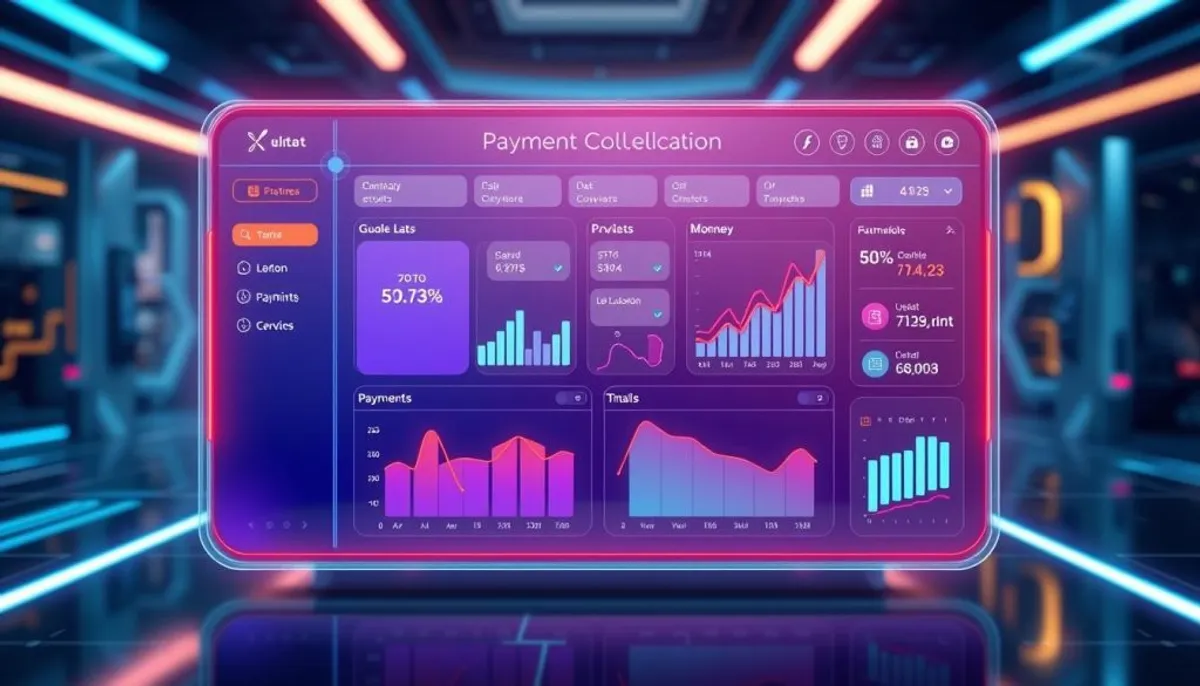
This platform eliminates the need for traditional debt collection agencies. Users can sign up and immediately automate their payment recovery process.
Automated Reminders and Escalation
The system sends professional, customizable payment notifications at strategic intervals. This ensures consistent follow-up without manual tracking.
As accounts become more overdue, the platform gradually increases communication urgency. It maintains a professional tone throughout the entire collection process.
Streamlining the Collection Process
unpaid-invoices.com centralizes all overdue account information in one place. It tracks communication history and provides real-time status updates.
This approach allows businesses to collect payments from customers effortlessly. The automated system maintains consistency while removing emotional components from debt collection.
The user-friendly design requires no specialized training. Any business can implement this efficient payment collection solution quickly.
Cost-Effective Alternative to Traditional Debt Collection
When payments become overdue, the choice of recovery method directly affects both finances and customer connections. Traditional approaches often create a difficult balance between getting paid and preserving valuable business relationships.
Many businesses face this challenge without realizing there’s a better way forward. Our platform offers a modern solution that addresses both financial and relational concerns effectively.
Avoiding High Agency Fees
Traditional recovery services typically charge 25-50% of the collected amount. This significant fee reduces what you actually receive from overdue accounts.
Our subscription model provides a cost-effective approach to payment recovery. You keep more of your money instead of sharing large percentages with third-party agencies.
This creates substantial savings while maintaining effective collection efforts. The platform eliminates the need for expensive external agencies entirely.
Maintaining Client Relationships While Collecting Payments
Aggressive tactics employed by some recovery services can permanently damage customer connections. This often costs future business worth far more than the recovered amount.
Our system uses professional, respectful communication that treats clients as valued customers. It focuses on reminders rather than confrontation.
This approach preserves your brand reputation and customer goodwill. Many clients continue doing business after resolving their overdue accounts through our platform.
The long-term value is clear: while traditional methods might recover one payment, our solution keeps the door open for continued relationships. This represents a true alternative to conventional debt collection approaches.
Legal Considerations for Debt Collection Calls
The framework governing communication about overdue payments involves both federal and state regulations. Understanding these legal boundaries helps businesses operate ethically while protecting consumer rights.
FDCPA Guidelines and Call Frequency
The Fair Debt Collection Practices Act establishes clear rules for recovery professionals. This federal law prohibits harassment, abuse, and deceptive practices during the collection process.
Specific limitations include restrictions on contact frequency. Recovery specialists cannot make more than seven attempts within a seven-day period for the same obligation.
The FDCPA also bans threatening language and false representations. Professionals cannot claim to be government officials or threaten legal action without proper grounds.
State-Specific Regulations and Enforcement
Many states have additional laws that provide extra consumer protections. Your state attorney general’s office can clarify these specific requirements.
Consumers have multiple enforcement options available. They can file complaints with the Consumer Financial Protection Bureau or their state attorney general.
Businesses using platforms like unpaid-invoices.com benefit from automated compliance. The system naturally respects consumer preferences without navigating complex third-party regulations.
While the FDCPA applies primarily to collection agencies, original creditors still benefit from ethical practices. Maintaining positive relationships remains crucial for long-term business success.
The Impact of Weekend Calls on Consumer Behavior
How businesses approach overdue accounts during personal time periods shapes customer relationships and payment outcomes. The timing of financial communications significantly influences how people respond to payment requests.

Disruptions and Inconvenience Factors
Research reveals that 63% of consumers feel contacted too frequently about financial obligations. An additional 36% report communications occurring outside acceptable hours. This demonstrates the widespread challenge with traditional recovery approaches.
Saturday and Sunday communications create particular disruption. Most people reserve these days for family activities, religious observances, and relaxation from work stress. Receiving financial reminders during this personal time generates unnecessary anxiety.
The psychological effect transforms potentially cooperative customers into resistant individuals. A Sunday morning communication might provoke defensive reactions rather than prompt payment. This timing issue goes beyond simple inconvenience to fundamental respect for personal boundaries.
Consumers feeling harassed often file formal complaints or dispute amounts owed. This makes recovery more difficult and expensive for businesses. Understanding these behavioral patterns leads to better outcomes for everyone involved.
Platforms like unpaid-invoices.com schedule communications for optimal response times. This respectful approach maintains positive relationships while effectively securing payments.
Enhancing Client Relationships Through Better Communication
Smart businesses recognize that respectful payment conversations preserve valuable customer relationships. Traditional recovery methods often damage these connections through aggressive tactics. Modern platforms like unpaid-invoices.com transform this dynamic completely.
Respectful Contact Strategies
The fundamental difference lies in relationship focus versus payment extraction. Traditional recovery services treat clients as adversaries to pressure. Our platform approaches them as valued customers experiencing temporary challenges.
unpaid-invoices.com allows complete customization of communication tone and frequency. Businesses can match their brand voice while maintaining professionalism. This flexibility is impossible with external recovery agencies.
| Approach | Relationship Focus | Communication Style | Long-term Value |
|---|---|---|---|
| Traditional Recovery | Payment extraction only | Aggressive, confrontational | Damaged relationships |
| unpaid-invoices.com | Relationship preservation | Professional, respectful | Continued business |
| Manual Follow-up | Inconsistent approach | Variable tone | Unpredictable outcomes |
Scheduling Calls to Suit Client Preferences
Federal law allows consumers to request no weekend communications from recovery specialists. Smart businesses proactively respect client schedules without waiting for formal requests. This demonstrates true customer care.
Our platform enables businesses to note specific client preferences directly in the system. Automated reminders then go out at optimal times for receptiveness. This eliminates annoyance and builds cooperation.
Professional communication maintains the possibility of continued business after resolution. Many clients using our service continue generating revenue for years. Respectful strategies also reduce complaints and negative reviews.
The platform’s approach preserves long-term customer value beyond single payments. This represents a significant advantage over traditional methods focused only on immediate recovery.
Implementing Unpaid-Invoices.com for Efficient Payment Collection
Businesses can revolutionize their overdue account handling through a simple platform integration. The setup process takes minutes instead of the weeks required by traditional agencies. This immediate access transforms how companies manage outstanding balances.
Seamless Integration and User-Friendly Features
The platform connects effortlessly with existing accounting software and CRM systems. It automatically imports overdue account information without manual data entry. This seamless integration saves valuable time and reduces errors.
Our user-friendly interface requires no specialized training. If you can send an email, you can use this system to collect debt effectively. The platform handles technical complexities while you maintain client relationships.
Customizable features let businesses tailor reminder templates and escalation schedules. You can match communication styles to your specific industry and company culture. This flexibility ensures professional interactions with every client.
The centralized dashboard provides real-time visibility into all collection activities. Track which accounts need attention and monitor payment arrangements effortlessly. Automated escalation progressively increases communication urgency based on overdue status.
This approach eliminates the need for external debt collection services entirely. You maintain complete control over the process while benefiting from professional systems. The platform offers a cost-effective alternative that preserves customer relationships.
Conclusion
Navigating payment recovery requires balancing legal boundaries with relationship preservation. The FDCPA permits contact between 8 a.m. and 9 p.m. local time, including weekends. Consumers maintain important rights to stop unwanted communication through written requests.
While understanding collection laws is valuable, businesses now have a smarter approach. unpaid-invoices.com transforms this challenging process completely. The platform avoids confrontational dynamics through automated, professional reminders.
This modern solution delivers dual benefits—effectively securing payments while maintaining client relationships. Traditional methods often damage these valuable connections. Our cost-effective alternative keeps more revenue in your business.
Ready to collect what you’re owed without straining relationships? Sign up today and experience effortless payment recovery. Preserve your reputation while building continued success with every client.
FAQ
What are the legal hours for debt collection calls?
The Fair Debt Collection Practices Act (FDCPA) sets the standard hours for contact between 8 a.m. and 9 p.m. in the consumer’s local time zone. State laws can be even stricter, so it’s wise to check your state attorney general’s office for specific rules.
Are weekend calls from collectors allowed?
Generally, yes. The FDCPA does not explicitly prohibit communication on Saturdays or Sundays. However, these calls must still fall within the legal time window of 8 a.m. to 9 p.m. local time. If a call outside these hours feels like harassment, you have rights.
What should I do if a collector violates the rules?
You have the right to request that they stop. Sending a written letter asking them to cease contact is a powerful step. You can also report violations to the Consumer Financial Protection Bureau (CFPB) or your state’s attorney general for further action.
How can I stop unwanted collection calls entirely?
You can formally request that the collector stop all communication by sending a cease and desist letter. Once they receive it, they can only contact you to confirm they will stop or to notify you of a specific action, like a lawsuit.
Where can I learn more about my rights?
The Consumer Financial Protection Bureau offers extensive resources on fair debt collection. Your state attorney general’s office is also an excellent source for understanding local laws that provide additional financial protection.