
Managing business finances demands precision, particularly when tracking overdue payments. An invoice overdue days calculator serves as essential for entrepreneurs and financial professionals. This powerful instrument identifies exactly how many days invoices remain unpaid.
The calculator transforms complex tracking into a straightforward solution for businesses. Overdue payments disrupt cash flow and create significant operational challenges.
An advanced invoice overdue days calculator enables companies to assess payment timelines quickly. Businesses can prioritize collection efforts and maintain healthy financial momentum. Understanding payment tracking nuances helps develop strategic approaches to minimize revenue gaps.
Key Takeaways
- Invoice overdue days calculators provide instant payment timeline insights
- Tracking overdue payments helps maintain robust cash flow management
- Precise payment monitoring reduces financial uncertainty
- Early identification of late payments prevents long-term revenue disruptions
- Strategic payment tracking supports stronger client relationships
What Is an Invoice Overdue Days Calculator?
An overdue invoice calculator serves as a powerful digital tool that simplifies payment tracking for businesses. This innovative solution helps entrepreneurs and finance professionals monitor their accounts receivable efficiently. The calculator provides instant insights into invoice payment status across all client accounts.
Understanding Overdue Invoice Tracking
The invoice tracking process often proves complex and time-consuming for busy business owners. An overdue invoice calculator automates the critical task of monitoring payment timelines effectively.
- Input invoice creation date
- Enter payment terms
- Compare against current date
- Instantly calculate days overdue
Payment tracking tools eliminate manual calculations and reduce human error significantly. These solutions save valuable time for business owners managing multiple client accounts.
Why Calculating Overdue Days Matters for Your Business
Tracking invoice payment timelines proves crucial for maintaining healthy cash flow in any organization. An overdue invoice calculator provides several key benefits for financial management.
- Precise financial planning
- Identifying payment pattern trends
- Prioritizing collection efforts
- Maintaining working capital stability
Small businesses particularly benefit from these tools for managing multiple invoices without overwhelming administrative work. Understanding exactly which invoices are past due enables companies to take proactive steps. This knowledge directly improves their financial health and collection success rates.
How to Calculate Overdue Days for Invoice Payments
Calculating overdue days for an invoice is critical for maintaining healthy cash flow in any business. The process might seem complex at first glance. However, it becomes straightforward once you break it down into manageable steps.
To calculate overdue days for invoice payments, follow these key steps:
- Identify the original invoice date
- Determine the payment terms (Net 30, Net 60, etc.)
- Calculate the precise invoice due date
- Compare the current date with the invoice due date
Let’s explore a practical example of invoice due date calculation. Suppose an invoice is dated March 1, 2024, with Net 30 payment terms. You would add 30 calendar days to the invoice date. This makes the payment due date March 31, 2024.
The formula for payment calculation is simple: Overdue Days = Current Date – Invoice Due Date. A positive number indicates the invoice is overdue.
Pro tip for accurate invoice payment tracking: Always use calendar days, not business days, for calculations. This ensures precise payment calculation and helps prevent misunderstandings with clients.
Manual calculations work for small volumes. However, businesses increasingly rely on automated invoice overdue days calculators to eliminate human error and save time.
Understanding Invoice Payment Terms and Due Dates
Navigating invoice payment terms presents complexity for businesses managing financial transactions. An invoice payment terms calculator assists managers in understanding nuanced payment structures. This tool simplifies the intricate landscape of business-to-business financial agreements.
Payment terms establish critical agreements defining payment expectations from customers. These terms directly influence cash flow and strategic financial planning. Proper understanding ensures smoother business operations and stronger vendor relationships.
Common Net Terms Explained
Net terms specify the days customers have for full invoice payment. Different net terms accommodate various business scenarios and industry standards. Selecting appropriate terms strengthens financial stability and customer satisfaction.
- Net 7/Net 10: Short payment windows for quick transactions
- Net 15: Balanced payment period for small businesses
- Net 30: Standard industry payment term
- Net 45: Extended terms for established customer relationships
- Net 60/Net 90: Lengthy terms for specific industries
Early Payment Discount Structures
Businesses leverage early payment discounts to encourage faster customer payments. These structures create mutual benefits by accelerating cash flow for vendors. Customers gain cost savings while suppliers improve liquidity and operational efficiency.
| Discount Structure | Meaning |
|---|---|
| 2/10 Net 30 | 2% discount if paid within 10 days, full payment in 30 days |
| 1/10 Net 30 | 1% discount for early payment |
| 3/10 Net 30 | 3% discount for rapid payment |
Mastering net terms and discount structures optimizes invoice payment management strategies. Businesses maintain healthier financial relationships through informed payment term decisions. Strategic application of these tools strengthens overall fiscal performance.
Using an Invoice Overdue Days Calculator
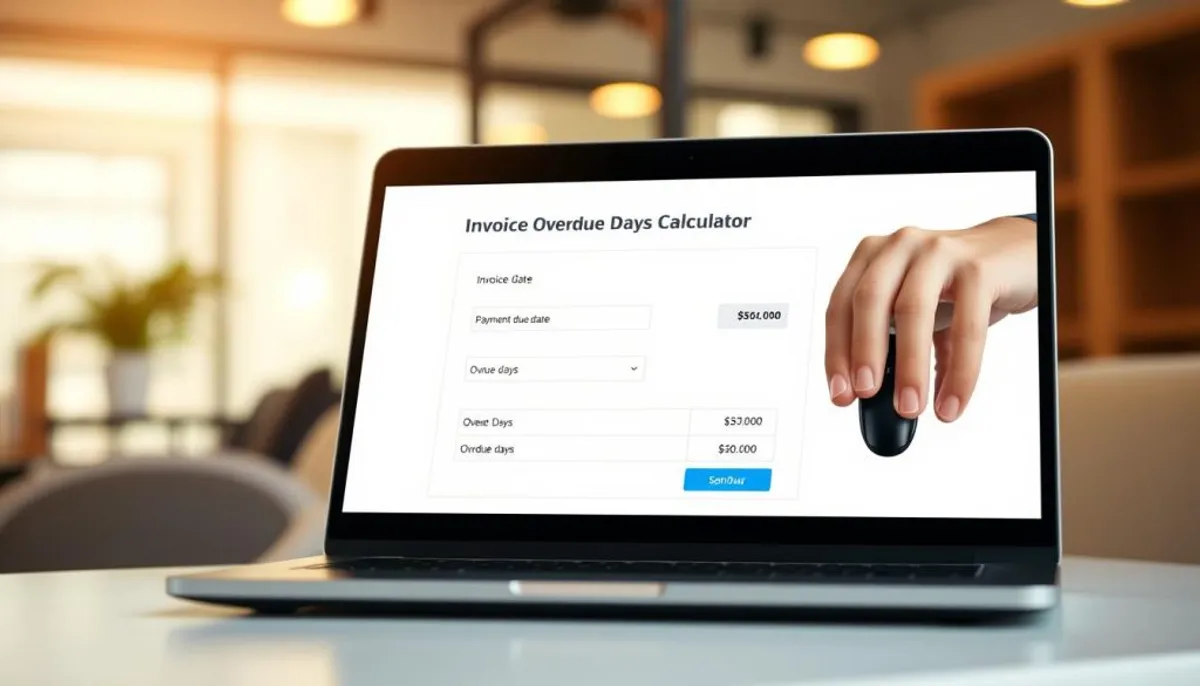
Tracking invoice due days can transform financial management for small businesses and freelancers. An invoice overdue days calculator simplifies monitoring payment timelines. It helps identify potential cash flow issues quickly and efficiently.
To effectively use an automated invoice tracking tool, follow these straightforward steps:
- Locate the invoice issue date on your original document
- Select your specific payment terms (Net 15, Net 30, etc.)
- Input the relevant invoice details
- Click “Calculate” to generate overdue status
Modern invoice overdue days calculators offer powerful features that transform financial tracking. These tools eliminate manual calculations. They reduce time spent on tedious administrative tasks significantly.
| Invoice Age | Action Recommended | Priority Level |
|---|---|---|
| 0-15 Days | Standard Follow-up | Low |
| 16-30 Days | Gentle Reminder | Medium |
| 31+ Days | Urgent Collection | High |
Leveraging an invoice overdue days calculator enables businesses to proactively manage accounts receivable. Companies can identify payment patterns and maintain healthy cash flow. These digital tools transform complex financial tracking into a simple experience.
The Impact of Late Payments on Your Cash Flow
Late payments create significant challenges for businesses, disrupting critical financial operations and creating substantial risks to overall financial health. Understanding the intricate relationship between accounts receivable and cash flow management becomes essential for sustainable business growth.
Overdue invoices trigger a complex chain reaction that can destabilize your entire financial ecosystem. Delayed customer payments create immediate pressure on working capital, which impacts multiple operational dimensions.
How Overdue Invoices Disrupt Business Operations
Late payment impact extends far beyond simple accounting inconveniences. Businesses experiencing cash flow constraints often encounter multiple downstream challenges:
- Difficulty paying vendors on time
- Potential loss of early payment discounts
- Reduced ability to invest in growth opportunities
- Potential credit rating complications
Managing Working Capital with Strategic Payment Tracking
Effective cash flow management requires proactive strategies for tracking and collecting outstanding accounts receivable. By implementing systematic invoice tracking, businesses can:
- Predict incoming revenue more accurately
- Identify problematic payment patterns
- Prioritize collection efforts strategically
- Maintain healthy vendor and customer relationships
Transforming from reactive financial management to a proactive approach helps businesses maintain financial resilience and operational flexibility.
Invoice Aging Calculator: Tracking Payment Timelines
An invoice aging calculator transforms how businesses track and manage their accounts receivable. This powerful tool provides a comprehensive view of payment timelines across your entire customer base. It goes beyond simple overdue invoice tracking.
The overdue invoice tracker breaks down outstanding invoices into specific time brackets. This gives you a crystal-clear picture of your financial health. Typical aging report categories include:
- Current (not yet due)
- 1-30 days past due
- 31-60 days past due
- 61-90 days past due
- 90+ days past due
Understanding your accounts receivable aging helps identify potential cash flow risks before they become critical. A healthy aging report typically shows most invoices in the current category, with smaller amounts in later brackets.
Modern invoice aging calculators automate this process, offering real-time insights. These tools help businesses:
- Quickly identify slow-paying customers
- Recognize potential collection challenges
- Make informed decisions about credit policies
- Improve overall financial strategy
Leveraging an advanced aging report streamlines financial management for small and large businesses. It reduces payment delays and maintains a robust cash flow ecosystem.
Traditional Debt Collection vs. Modern Overdue Invoice Management
Business owners struggle with collecting overdue invoices while maintaining positive client relationships. Traditional debt collection methods often create more problems than solutions. Companies find themselves trapped between recovering funds and preserving valuable business connections.
The old approach typically involves harsh tactics that permanently damage client relationships. Debt collection alternatives have emerged to address these critical challenges. These methods offer more strategic and relationship-focused approaches to managing unpaid invoices.
Why Debt Collection Agencies Destroy Business Relationships
Modern collection methods recognize that aggressive debt recovery can have significant drawbacks:
- Aggressive phone calls and threatening letters drive away potential repeat customers
- Collection agencies typically charge 25-50% of the recovered amount
- Legal threats can permanently damage professional reputation
- Many debts remain uncollected despite intensive collection efforts
Client relationship management becomes impossible when traditional collection agencies take over. These third-party collectors often use intimidating strategies that make customers feel attacked. Such approaches reduce the likelihood of future business interactions.
Businesses need a smarter approach that balances financial recovery with maintaining professional connections. The goal is not just collecting money, but preserving valuable long-term business relationships.
Innovative solutions now offer alternatives that protect both your financial interests and your professional network. These methods provide a more nuanced and effective way to manage overdue invoices.
How unpaid-invoices.com Simplifies Overdue Payment Tracking
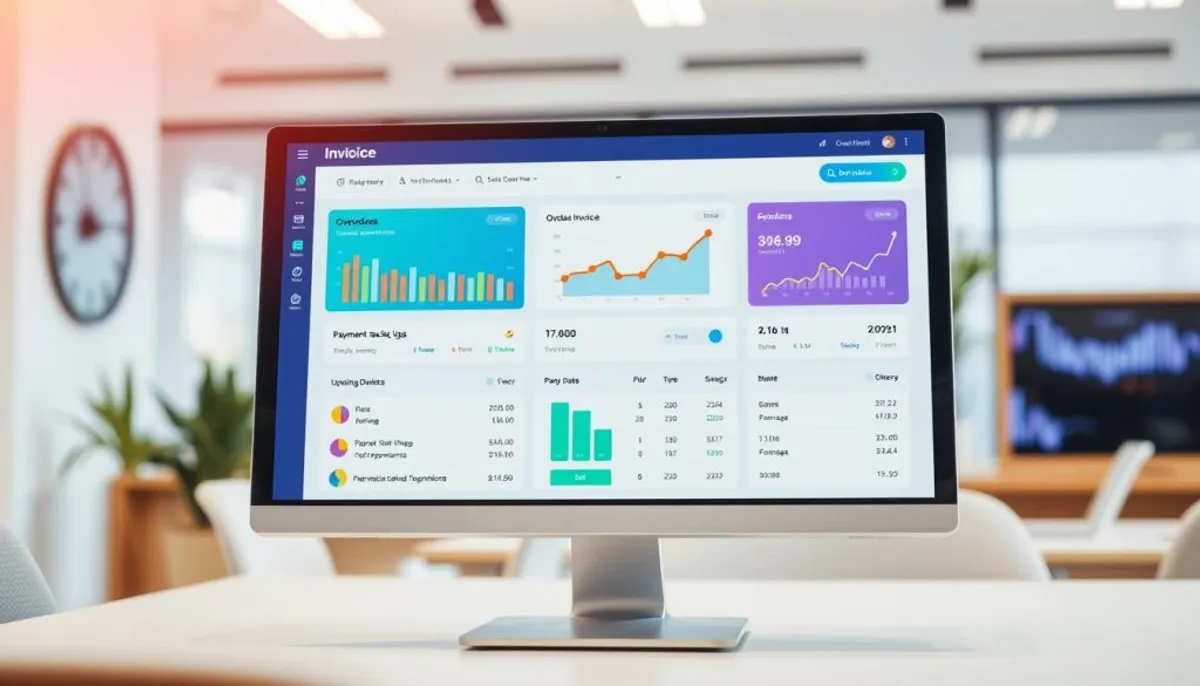
Managing overdue invoices can be a nightmare for businesses. unpaid-invoices.com emerges as a game-changing invoice management platform. It transforms the way companies handle late payments.
This innovative SaaS invoice tracking solution offers a comprehensive approach to automated collections. It keeps your cash flow smooth and professional. Businesses can now streamline their payment tracking process with minimal effort.
- Automated invoice reminders
- Professional communication management
- Real-time payment tracking
- Customizable escalation workflows
The platform stands out by maintaining positive client relationships while ensuring timely payments. Unlike traditional debt collection methods, unpaid-invoices.com uses intelligent, respectful communication strategies. These strategies preserve your business reputation.
| Feature | Benefits |
|---|---|
| Automated Reminders | Reduce manual follow-up time by 80% |
| Payment Tracking | Real-time insights into invoice status |
| Client Communication | Professional, non-aggressive approach |
With unpaid-invoices.com, businesses can effortlessly manage overdue invoices without spending hours on manual tracking. The platform handles the entire collection process. This allows you to focus on growing your business.
Sign up today and experience a smarter way to manage your invoices. Maintain healthy cash flow with our innovative solution.
Automating Invoice Payment Reminders and Follow-Ups
Managing overdue invoices presents significant challenges for businesses across all industries and organizational scales. Automated payment reminders have fundamentally transformed how companies track outstanding payments. Invoice follow-up automation streamlines collection processes while reducing administrative burden.
The digital age delivers powerful tools that optimize accounts receivable workflows efficiently and effectively. Unpaid-invoices.com provides comprehensive solutions for businesses facing payment collection difficulties.
Setting Up Automated Payment Escalation
Implementing effective automated collections strategies requires careful planning and systematic execution of several critical components:
- Configure initial payment reminders 7-10 days before the due date
- Create a systematic escalation process for overdue invoices
- Customize communication templates for different stages of payment follow-up
The payment escalation process maintains consistent and professional communication with clients throughout the collection cycle. Automated payment reminders enable businesses to adopt proactive approaches toward invoice management. Strategic timing prevents payment delays before they escalate into serious problems.
Maintaining Client Relationships While Collecting Payments
Successful invoice follow-up automation demands careful equilibrium between firm collection practices and relationship preservation. Professional communication encourages prompt payment without compromising valuable business connections. Understanding tone matters significantly in maintaining long-term client partnerships.
Unpaid-invoices.com delivers multiple strategic advantages for businesses seeking efficient collection solutions:
- Cost-effective alternative to traditional collection agencies
- Customizable escalation workflows
- Professional communication templates
- Comprehensive tracking of invoice status
Technology transforms collections from potential conflict sources into smooth operations that protect cash flow. Efficient systems preserve client relationships while ensuring timely payments. Modern automation tools eliminate tension while maintaining professional standards throughout the collection process.
Best Practices for Managing Overdue Invoices
Effective invoice management is critical for maintaining healthy cash flow and strong client relationships. Strategic overdue invoice strategies can dramatically reduce payment delays and improve your business’s financial stability.
Here are key payment collection tips to streamline your invoicing process:
- Clearly Define Payment Terms: Ensure every invoice includes explicit payment expectations, including exact due dates and potential late payment penalties
- Conduct Thorough Customer Credit Checks: Assess financial reliability before extending credit terms
- Create Attractive Early Payment Incentives: Offer discounts for prompt payments to encourage faster settlements
- Develop Consistent Follow-up Procedures: Establish a systematic approach to tracking and collecting overdue invoices
Practical invoice management best practices involve more than just sending invoices. Businesses should leverage technology to automate reminder systems and track payment histories. Professional communication channels must be maintained throughout the collection process.
Key strategies for managing overdue invoices include:
- Invoice promptly after service delivery
- Accept multiple payment methods
- Maintain detailed communication records
- Regularly review accounts receivable aging reports
Implementing these overdue invoice strategies helps businesses minimize payment delays and improve cash flow. Positive client relationships remain intact while protecting financial interests. These practices create a sustainable framework for long-term business success.
Invoice Payment Late Calculator: Preventing Future Delays
A strategic invoice payment late calculator does more than track overdue payments. It becomes a powerful tool for preventing payment delays before they start. Smart business owners use this approach to transform financial management and streamline cash flow.
Proactive payment delay prevention involves several key strategies:
- Analyze customer payment historical patterns
- Set intelligent invoice due dates
- Customize payment terms for different clients
- Implement clear communication protocols
The invoice payment late calculator helps businesses anticipate potential cash flow disruptions. By examining past payment behaviors, you can develop targeted strategies that reduce late payment risk. Early intervention becomes your most powerful financial defense.
Effective payment delay prevention requires understanding client payment cycles. Some practical approaches include:
- Scheduling invoices around client payment schedules
- Offering early payment incentives
- Setting realistic but firm payment expectations
- Using automated reminder systems
Your invoice payment late calculator transforms from a reactive tool to a proactive financial planning instrument. By tracking and predicting payment patterns, businesses create more stable revenue streams.
Conclusion
Managing overdue invoices is a critical challenge for businesses of all sizes. Effective payment tracking and invoice management are essential to maintaining healthy business cash flow. The journey from manual invoice tracking to automated solutions represents a significant leap forward for modern businesses.
Unpaid-invoices.com offers a comprehensive approach to resolving the complex world of accounts receivable. By leveraging advanced technologies, businesses can now streamline their payment collection processes and reduce administrative burden. The platform eliminates the traditional stress associated with chasing late payments while maintaining positive client relationships.
The key to successful financial management lies in proactive strategies. Modern invoice management tools provide real-time insights, automated reminders, and professional communication channels. These features help businesses recover outstanding payments efficiently. Entrepreneurs can now focus on growth and innovation instead of getting bogged down by payment collection challenges.
Take the next step in transforming your business finances. Explore unpaid-invoices.com and discover how advanced payment tracking can revolutionize your approach to accounts receivable. Your business deserves a solution that combines efficiency, professionalism, and relationship-preserving communication.
FAQ
What exactly is an invoice overdue days calculator?
An invoice overdue days calculator is a digital tool that automatically calculates days past due. It compares the original invoice date, payment terms, and current date to determine lateness. This helps businesses quickly track and manage their accounts receivable with precision. The tool provides accurate information about late payments without manual calculations.
How do I calculate overdue days for an invoice?
To calculate overdue days, subtract the invoice due date from the current date. For example, if an invoice with Net 30 terms was due on March 31, 2025, and today is April 15, 2025, the invoice is 15 days overdue. Modern calculators automate this process, eliminating manual calculation errors.
What are the most common payment terms businesses use?
The most common payment terms include Net 7, Net 10, Net 15, Net 30, Net 45, Net 60, and Net 90. Net 30 means full payment is due 30 calendar days after the invoice date. Some terms also include early payment discounts like 2/10 Net 30. This particular term offers a 2% discount if paid within 10 days.
Why do late payments matter for my business?
Late payments can significantly impact your business’s cash flow and financial stability. They make it difficult to pay vendors, meet payroll, and invest in growth opportunities. Tracking overdue invoices helps you identify payment patterns and prioritize collection efforts. This practice maintains healthy working capital for your operations.
How can I prevent invoices from becoming overdue?
Prevent late payments by clearly stating payment terms on invoices and offering early payment discounts. Conduct customer credit checks and invoice promptly after delivering goods or services. Make payment easy through multiple methods and implement consistent follow-up procedures. Automated tools like unpaid-invoices.com can help streamline this process.
What is an invoice aging report?
An invoice aging report categorizes outstanding invoices into time buckets for analysis. These buckets include current, 1-30 days past due, and 31-60 days past due. The report provides a comprehensive view of your accounts receivable status. It helps identify payment trends, potential credit risks, and collection process effectiveness.
Are traditional debt collection agencies effective?
Traditional debt collection agencies can be costly and damaging to client relationships. They typically charge 25-50% of recovered amounts for their services. These agencies often use aggressive tactics that may permanently harm your business relationships. Modern solutions focus on maintaining professional communication while recovering payments.
How can I improve my accounts receivable management?
Improve accounts receivable management by using automated tracking tools and implementing clear payment terms. Send timely reminders and offer early payment incentives to encourage prompt payment. Maintain consistent follow-up procedures with all clients who have outstanding balances. Technology like unpaid-invoices.com can help streamline these processes effectively.