
Running a business means facing financial challenges. Unpaid invoices can quickly become a significant headache. Small business owners often struggle with payment collection, watching valuable cash flow slip away.
Developing prevention strategies that address 80% of payment issues before they escalate is critical. This approach maintains financial stability and protects your bottom line.
Efficient management tools can transform how businesses handle outstanding payments. The right approach doesn’t mean aggressive collection tactics but strategic communication instead. Smart technology solutions help maintain professional relationships while recovering funds.
Unpaid-invoices.com emerges as a modern SaaS solution that automates the entire payment collection process. It accomplishes this without damaging client relationships or requiring aggressive tactics.
Business leaders need practical ways to recover funds while preserving professional connections. By implementing intelligent tracking and communication systems, companies can minimize revenue disruptions. These systems also maintain positive client interactions throughout the collection process.
Key Takeaways
- Proactively manage invoice collection to protect cash flow
- Utilize technology-driven solutions for payment recovery
- Maintain professional relationships during payment disputes
- Implement systematic approaches to invoice management
- Reduce financial stress through strategic payment tracking
Understanding Unpaid Invoice Complaints and Their Impact on Your Business
Unpaid invoices create significant challenges for businesses of all sizes. Delayed customer payments trigger a complex web of financial complications. These issues extend far beyond simple accounting frustrations.
Businesses encounter multiple critical issues when dealing with outstanding invoices:
- Delayed cash flow restricts ability to cover essential operational costs
- Resource allocation becomes complex with additional time spent tracking payments
- Budgeting accuracy becomes challenging with inconsistent income streams
What Constitutes an Unpaid Invoice Complaint
An unpaid invoice complaint represents formal communication regarding outstanding payment that remains unresolved. These complaints typically emerge when standard payment terms have been exceeded. The situation creates financial strain for the business.
The Financial Consequences of Unresolved Payment Disputes
Unresolved payment disputes trigger severe financial repercussions. Small businesses are particularly vulnerable to these challenges. A single unpaid invoice potentially disrupts entire operational budgets.
| Financial Impact | Potential Consequences |
|---|---|
| Credit Issues | Reduced financing opportunities |
| Investment Limitations | Restricted growth potential |
| Supplier Relationship Strain | Compromised vendor trust |
How Outstanding Invoices Affect Cash Flow and Business Operations
Unpaid invoices force businesses to navigate complex financial challenges. The ripple effects include potential delays in payroll and postponed equipment purchases. Companies also experience diminished capacity for strategic investments.
Proactive management of invoice collection becomes crucial in maintaining financial stability. This approach helps prevent long-term operational disruptions.
Common Causes Behind Unpaid Invoice Complaints
Understanding the root causes of unpaid invoices is crucial for businesses seeking to improve their financial health. Multiple factors contribute to payment delays and disputes. These range from internal challenges to external complications.
Several key reasons emerge for unpaid invoice complaints:
- Poor communication about payment terms creates significant misunderstandings
- Disputed charges arise from customer dissatisfaction with goods or services
- Inaccurate invoicing leads to immediate payment resistance
- Complex payment processes discourage timely transactions
Internal issues often play a substantial role in payment complications. Unclear payment terms can confuse clients. Inconsistent follow-up systems allow invoices to slip through administrative cracks. Businesses might unknowingly create barriers by using complicated invoicing methods that frustrate potential payers.
External factors equally impact payment behaviors. Customer financial difficulties frequently interrupt planned payment schedules. Organizational changes like staff turnover can disrupt established payment workflows, causing unexpected delays.
Communication gaps represent the most critical challenge. Invoices sent to incorrect contacts or lacking clear descriptions increase delayed payments. Those without proactive reminders can significantly harm cash flow. Friendly, strategic communication becomes essential in maintaining consistent financial transactions.
Recognizing these patterns helps businesses develop targeted strategies to minimize invoice complaints and improve overall financial performance.
Early Warning Signs of Potential Payment Issues
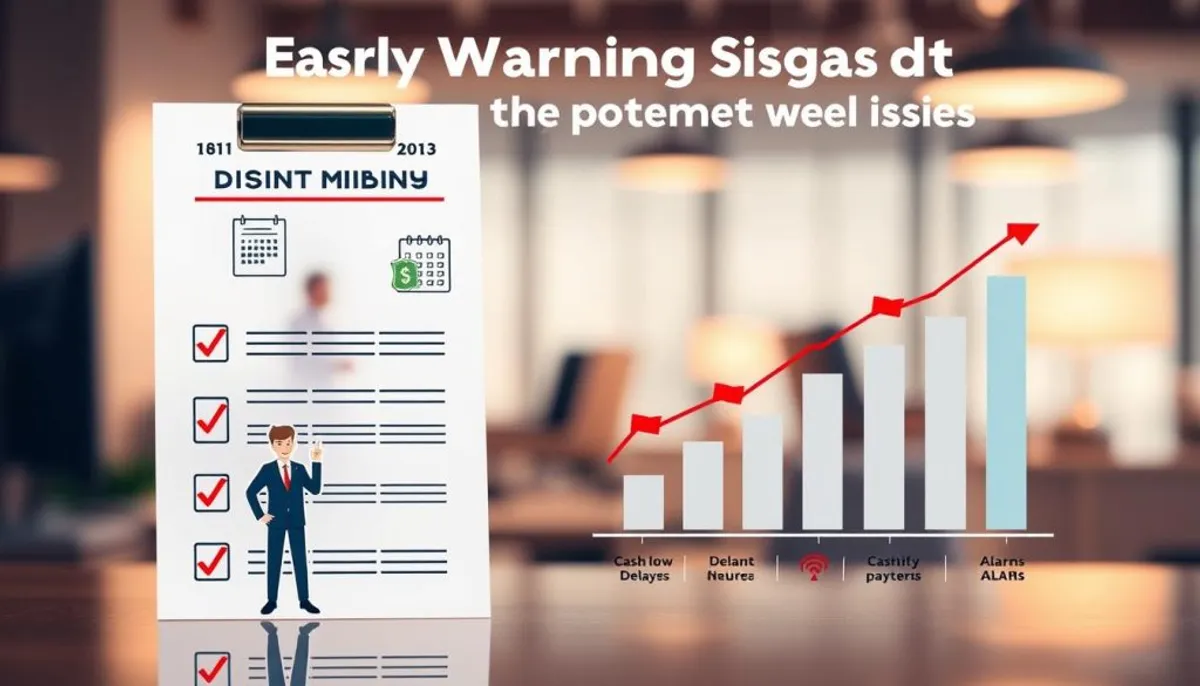
Detecting potential payment problems before they escalate is crucial for maintaining healthy business relationships and financial stability. Recognizing early warning signs allows companies to proactively address invoice risks. This approach protects cash flow and prevents larger financial complications.
Identifying Red Flags in Customer Payment Behavior
Businesses must stay vigilant about specific indicators that suggest potential payment challenges. Several critical red flags can signal impending financial difficulties. These warning signs require immediate attention and strategic response.
- History of late payments with previous vendors
- Sudden changes in order patterns
- Frequent contact information modifications
- Reluctance to discuss financial details
- Partial payments indicating cash flow problems
Financial instability often manifests through unexpected communication breakdowns. News about industry layoffs or company losses serves as powerful predictors of nonpayment risks. Economic downturns affecting specific sectors also warrant closer monitoring of client payment capabilities.
Communication Breakdowns Leading to Invoice Disputes
Poor communication frequently precedes invoice complaints. Watch for these warning signs:
- Unresponsive customers when payment dates approach
- Vague responses to payment inquiries
- Unusual urgency for rush jobs without rush fee willingness
- Negotiating payment terms after service delivery
Monitoring payment histories systematically helps businesses identify trends early. This practice transforms potential financial risks into manageable challenges. Consistent tracking enables better decision-making about credit extensions and payment terms.
Effective Strategies for Resolving Unpaid Invoice Complaints
Resolving unpaid invoice complaints demands a strategic approach that balances persistence with relationship preservation. Businesses need systematic processes addressing payment issues while maintaining professional communication standards. Success hinges on creating structured methods that protect revenue without damaging client connections.
Successful invoice resolution involves several critical strategies:
- Sending friendly reminders that acknowledge customers might simply forget
- Implementing systematic follow-up every 10-14 days
- Using various communication channels including email, phone, and registered mail
- Maintaining professional and courteous communication
The initial approach should demonstrate understanding and professionalism. Sending friendly reminders works best for customers with solid payment histories. These communications assume non-payment results from oversight rather than intentional avoidance.
Initial reminders sometimes fail to produce results. Businesses must then escalate their collection approach strategically:
- Follow up with phone calls to speak directly and identify potential issues
- Send formal demand letters outlining payment details and setting final deadlines
- Offer flexible payment plans for customers experiencing temporary financial difficulties
Documenting all communication proves critical for potential legal proceedings. Businesses should adjust follow-up frequency based on individual customer payment patterns. This personalized yet professional approach maximizes collection success while preserving valuable business relationships.
How unpaid-invoices.com Streamlines Your Debt Collection Process
Managing unpaid invoices can be a complex and time-consuming challenge for businesses. Unpaid-invoices.com offers a revolutionary solution that transforms debt collection into a smooth, professional process. Our platform leverages cutting-edge technology to simplify financial management and improve cash flow.
Our innovative platform provides comprehensive tools to address invoice collection challenges:
- Automated invoice generation and delivery
- Integrated payment systems for direct online payments
- Real-time dashboards showing invoice status
- Custom alerts for overdue invoices
Automating Payment Reminders Professionally
Sending payment reminders can be delicate. Unpaid-invoices.com offers a nuanced approach that maintains client relationships while ensuring timely payments. Our automated payment reminders are crafted to be professional, persistent, and non-confrontational.
A Cost-Effective Collection Alternative
Traditional collection agencies often charge hefty fees and use aggressive tactics. Our platform operates on a transparent, affordable subscription model. We provide powerful features at a fraction of the cost, allowing businesses to recover debts efficiently.
Real-Time Tracking and Management
Our platform offers unprecedented visibility into your invoice collection process. Customer portals enable clients to view payment history and make instant payments. Integrated tracking systems keep you informed about every step of the collection journey.
Case in point: TaxAssist Accountants recovered £20,000 in client debts in just 30 minutes using our automated credit control software. This demonstrates how technology can transform financial operations and improve debt recovery outcomes.
Ready to revolutionize your invoice management? Sign up now and experience the power of streamlined, professional debt collection.
Prevention Tactics to Minimize Future Invoice Disputes

Preventing invoice disputes starts with strategic planning and proactive communication. Business owners can significantly reduce payment challenges by implementing smart practices that protect their financial interests.
Setting clear payment terms from day one is crucial for minimizing potential conflicts. This approach involves creating comprehensive contracts that explicitly outline payment expectations and responsibilities.
- Precise payment due dates
- Accepted payment methods
- Late payment penalties
- Dispute resolution procedures
Conducting thorough credit checks on new customers provides valuable insights into their financial reliability. Businesses can leverage services like Experian, Equifax, and Dun & Bradstreet to assess potential risks before extending credit.
| Client Type | Payment Strategy | Risk Level |
|---|---|---|
| New Clients | Require 50% upfront deposit | High |
| Established Clients | Flexible net payment terms | Low |
Implementing milestone billing for larger projects helps manage financial risks effectively. Sending early payment reminders at least 5 business days before the due date increases the likelihood of timely payments.
Key prevention strategies include:
- Issuing transparent invoices with itemized services
- Offering multiple payment options
- Invoicing promptly and consistently
- Maintaining clear communication with clients
Integrating these practices creates a robust financial management system that minimizes invoice disputes. This systematic approach ensures steady cash flow and strengthens client relationships.
Best Practices for Professional Payment Collection Communication
Effective payment collection balances firmness with empathy in every interaction. Businesses must communicate promptly about overdue payments while preserving professional relationships. The approach requires both strategic timing and thoughtful messaging.
Successful debt recovery depends on systematic communication and genuine understanding. Follow up regularly through email, phone calls, and traditional letters. Multiple channels increase your chances of reaching customers effectively.
Crafting Effective Follow-Up Messages for Overdue Accounts
Your first reminder should assume an honest oversight and maintain a friendly tone. This initial communication establishes the foundation for all future interactions.
- Use a warm, collaborative tone
- Provide clear payment instructions
- Offer multiple payment options
- Communicate with empathy and understanding
Maintaining Professionalism in Payment Pursuit
Negotiating payment plans helps customers facing genuine financial difficulties while preserving valuable business relationships. Focus on finding mutually agreeable solutions that work for both parties. Avoid aggressive or confrontational language that damages trust and future opportunities.
| Communication Stage | Recommended Approach |
|---|---|
| First Reminder | Friendly, assume accidental delay |
| Second Follow-Up | Direct but helpful, offer assistance |
| Final Notice | Clear consequences, professional tone |
Document all communication to protect your business and create clear interaction records. Request feedback after resolving payment issues to demonstrate commitment to customer satisfaction. These records prove invaluable if disputes arise later.
Challenging payment situations demand patience, strategic communication, and relationship focus. Professionalism during difficult conversations strengthens long-term business partnerships and encourages future transactions.
When to Escalate: Legal Options and Collection Alternatives
Navigating unpaid invoices becomes challenging when standard collection methods fail. Understanding escalation timing protects your business’s financial health. Strategic decision-making helps determine the most effective recovery path.
Before pursuing legal action, consider these strategic steps for recovering outstanding payments:
- Send a comprehensive demand letter outlining the unpaid amount and collection history
- Explore mediation or arbitration as cost-effective alternatives to court
- Evaluate the financial feasibility of legal pursuit
Legal options vary depending on invoice amount and specific circumstances. For smaller disputes ($2,500-$25,000), small claims court offers quicker, less formal resolution. Larger amounts might require civil lawsuits, which typically need legal representation.
Professional debt collectors present another recovery avenue, though their services carry associated costs. Typically, they charge 25-50% of the recovered amount.
Key judgment enforcement methods include:
- Writs of execution
- Wage garnishment
- Property liens
Legal action should be a last resort. Calculate potential recovery against expenses, considering relationship preservation, time investment, and emotional stress. For international debts, complexity increases significantly, potentially making recovery more challenging.
Strategic, consistent communication often prevents escalation. Systematic follow-up and professional approaches resolve most payment issues. This proactive method eliminates the need for legal intervention in many cases.
Conclusion
Unpaid invoice complaints don’t have to be an inevitable business burden. Modern tools like unpaid-invoices.com are revolutionizing how companies manage payment collection. These platforms turn a stressful process into a streamlined system. Prevention is now more effective than traditional collection methods.
The right strategies and technology help businesses minimize financial strain. They also maintain professional client connections. Systematic approaches leverage automated reminders, real-time tracking, and consistent communication. These methods dramatically reduce the time and stress of chasing overdue payments.
Small businesses and entrepreneurs no longer need to feel overwhelmed by payment challenges. Unpaid-invoices.com provides a cost-effective solution that automates the entire collection process. The platform ensures professional follow-ups without damaging client rapport. Companies can transform unpaid invoice complaints into a manageable aspect of business operations.
Ready to revolutionize your payment collection strategy? Sign up for unpaid-invoices.com today and experience automated, stress-free invoice management. Your business deserves a solution that protects your financial health. Start your journey toward smoother, more efficient payment processes right now.
FAQ
What exactly is an unpaid invoice complaint?
An unpaid invoice complaint formally documents an outstanding payment that remains unresolved after agreed payment terms expire. This process involves communication between a business and a client who hasn’t paid for goods or services rendered. The complaint establishes a record of the payment dispute within the specified timeframe.
How long should I wait before taking action on an unpaid invoice?
Most businesses send a first reminder within 30 days of the invoice due date. If no response arrives, follow up with increasingly firm communications every 15-20 days. Document each interaction to establish a clear payment history for potential future action.
What documentation do I need to support an unpaid invoice complaint?
Gather critical documentation including the original invoice, proof of delivery, and communication records. Contract terms and any previous payment correspondence are equally important. These documents prove essential for potential legal proceedings or mediation efforts.
Can I charge late fees for an unpaid invoice?
You can charge late fees only if explicitly stated in your original contract or invoice terms. Typical late fees range from 1.5% to 5% of the total invoice amount per month. The exact percentage depends on your industry and local regulations governing business transactions.
What are my options if a client consistently fails to pay invoices?
Several options exist: send formal demand letters, engage a collection agency, or pursue small claims court. Consider legal action for significant amounts that warrant the expense. The best approach depends on the invoice value and your ongoing relationship with the client.
How can I prevent unpaid invoice issues in the future?
Implement proactive strategies such as clear payment terms and upfront deposits for new clients. Use automated payment reminders and detailed contracts that outline all expectations. Conduct credit checks on new clients before extending payment terms to minimize future risks.
Are there specific communication strategies for following up on unpaid invoices?
Maintain a professional tone while being specific about the outstanding amount and payment deadline. Provide multiple payment options and offer flexibility while firmly requesting payment. Always document all communication attempts for future reference and potential legal proceedings.
When should I consider legal action for an unpaid invoice?
Consider legal action when the invoice amount is substantial and you have comprehensive documentation available. This option becomes viable when other collection methods have failed repeatedly. Typically, legal action makes sense for invoices over ,000 with clear evidence of the debt.
How do digital invoicing tools help prevent payment disputes?
Modern digital invoicing platforms offer instant delivery and automatic payment reminders to clients. They provide transparent tracking, multiple payment integrations, and detailed payment history logs. These features minimize misunderstandings and streamline the entire collection process for businesses.
What rights do I have as a business when dealing with unpaid invoices?
You have the right to pursue payment through various legal and professional channels available. Send demand letters, apply late fees if specified in original terms, and report to credit agencies. Seek legal recourse for persistent non-payment situations that warrant formal intervention.