
Managing unpaid invoices presents a critical challenge for businesses throughout the United States. Recent data reveals a startling statistic: nearly 49% of business invoices become overdue. This creates significant financial strain for companies of all sizes. Unpaid invoice options have emerged as crucial strategies for maintaining healthy cash flow and protecting business revenue.
The complexity of unpaid invoice management extends beyond simple collection tactics. Smart businesses recognize that proactive approaches can prevent most payment issues before escalation occurs. Our comprehensive guide explores innovative strategies to address overdue payments effectively. These methods help preserve valuable customer relationships while recovering outstanding funds.
Unpaid-invoices.com represents a cutting-edge solution designed to transform how businesses handle outstanding payments. By leveraging advanced technology, companies can streamline their accounts receivable process and reduce financial risk. The platform enables businesses to maintain professional client interactions throughout the collection process.
Key Takeaways
- Nearly half of all business invoices become overdue
- Proactive unpaid invoice management prevents most payment issues
- Technology offers sophisticated recovery strategies
- Maintaining client relationships is crucial during payment collection
- Modern SaaS platforms can automate invoice follow-up processes
Understanding How Unpaid Invoices Impact Your Business Health
Unpaid invoices represent more than just missing revenue—they critically undermine your business’s financial stability and growth potential. Dealing with unpaid invoices requires strategic understanding of their broader implications on organizational health.
Cash Flow Disruption and Working Capital Challenges
Customer payment delays create significant operational pressures for businesses. Unpaid invoice solutions become crucial as outstanding receivables create substantial cash flow interruptions. These financial gaps prevent critical business functions from operating smoothly.
- Meeting payroll obligations
- Purchasing necessary inventory
- Covering operational expenses
- Investing in growth opportunities
The Risk of Bad Debt Accumulation
Extended outstanding invoices transform from temporary payment delays into potential financial liabilities. As time passes, the probability of collecting these funds dramatically decreases. Businesses might ultimately need to write off these amounts, directly impacting profitability and financial statements.
Strained Customer Relationships and Future Business
The collection process itself can damage valuable client relationships if not handled professionally. Aggressive collection tactics might alienate customers, potentially costing more in lost future business than the original invoice amount. Strategic, diplomatic approaches to recovering unpaid invoices help maintain positive long-term partnerships.
Common Causes of Unpaid Invoices and Prevention Strategies
Understanding the root causes of unpaid invoices is crucial for developing effective strategies. Businesses often face challenges with payment collection due to several key factors. These factors can be proactively addressed through systematic approaches.
The most common causes of unpaid invoices include:
- Poor Communication: Unclear payment terms create confusion and delays
- Invoicing Errors: Inaccurate billing details discourage prompt payment
- Complex Payment Processes
- Customer Financial Difficulties
- Lack of Systematic Follow-up
Implementing ways to handle unpaid invoices starts with prevention. Businesses can mitigate risks by adopting several strategic approaches. These methods focus on clarity, verification, and accessibility.
- Establish Crystal-Clear Payment Terms
- Define exact payment deadlines
- Specify accepted payment methods
- Outline late payment consequences
- Conduct Thorough Credit Checks
- Assess potential customer financial stability
- Set appropriate credit limits
- Request deposits for high-risk clients
- Simplify Payment Processes
- Offer multiple payment options
- Use digital invoicing platforms
- Enable online payment mechanisms
Focusing on proactive prevention significantly reduces the likelihood of unpaid invoices. This approach maintains healthy cash flow for your business. Strategic planning protects your revenue stream effectively.
Warning Signs That Signal Potential Nonpayment
Protecting your business from unpaid invoices starts with early detection. Recognizing potential payment risks can save your company significant time and financial stress. Proactive monitoring during the unpaid invoice resolution process prevents major losses.

Understanding the warning signals of potential nonpayment helps businesses take proactive measures. Acting before financial challenges escalate protects your bottom line.
Customer Communication Red Flags
Effective unpaid invoice resolution requires keen observation of communication patterns. Watch for these critical warning signs:
- Sudden communication breakdown
- Vague responses about payment timelines
- Frequent changes in contact information
- Avoidance of direct payment discussions
Financial Instability Indicators
Identifying potential financial risks involves monitoring external and internal business signals:
| Warning Sign | Potential Risk Level |
|---|---|
| Dramatic order pattern changes | High |
| Reluctance to provide financial documentation | Medium-High |
| Frequent invoice disputes | Medium |
| Partial payment attempts | High |
Strategic businesses understand that unpaid invoice resolution starts with vigilant monitoring. Recognizing these warning signs allows companies to implement protective strategies early. Taking action before significant financial damage occurs safeguards your revenue stream.
Setting Clear Payment Terms From Day One
Creating robust payment terms is your first line of defense in managing unpaid invoice recovery options. These terms establish a clear financial roadmap that protects your business. They also set realistic expectations for clients from the start.
Effective payment terms should comprehensively outline critical financial expectations. Key components include:
- Precise due dates (Net 30, specific calendar date)
- Accepted payment methods
- Late payment penalties
- Dispute resolution processes
Customizing payment terms based on client risk assessment is crucial for successful unpaid invoice recovery options. New or high-risk clients might require different strategies compared to established customers:
- New clients: Consider upfront deposits (50%)
- High-risk clients: Immediate payment requirements
- Established clients: Flexible net terms
Your payment terms should be legally binding and incorporated directly into contracts. A strong template might read: “Payment is due within thirty (30) days from invoice date. Late payments incur a 1.5% monthly interest charge.”
Clear payment terms aren’t about distrust—they’re about professional transparency and mutual respect. By setting expectations upfront, you minimize potential conflicts. You also streamline your unpaid invoice recovery options.
Exploring Your Unpaid Invoice Options
Navigating unpaid invoice solutions requires a strategic approach that protects your business’s financial health. Small businesses and freelancers often struggle with managing outstanding payments. Understanding your available unpaid invoice options can transform this challenging situation into a manageable process.
Businesses need a comprehensive toolkit to address payment challenges effectively. The right approach combines prevention, active collection, and alternative recovery strategies.
Proactive Prevention Strategies
Preventing unpaid invoices starts with smart planning:
- Conduct thorough credit checks on new clients
- Establish clear payment terms in writing
- Send early payment reminders 5+ business days before due dates
- Use automated invoicing systems to track payments
Active Collection Methods
Implement a systematic follow-up approach once invoices become overdue:
- Send polite initial reminder communications
- Follow up every 10-14 days with escalating communication
- Offer flexible payment arrangements
- Maintain professional and solution-oriented dialogue
Alternative Recovery Solutions
Modern unpaid invoice options extend beyond traditional collection methods. Digital platforms now provide comprehensive solutions that address multiple recovery needs.
These platforms offer several key advantages:
- Automate payment tracking
- Provide professional communication templates
- Offer cost-effective recovery strategies
- Preserve client relationships during the collection process
Leveraging technology and strategic communication can dramatically improve your accounts receivable management and reduce financial strain.
Best Practices for Following Up on Overdue Payments
Handling unpaid invoices demands a strategic approach that balances professionalism with persistence. Timely and consistent follow-up proves crucial for maintaining healthy cash flow. This approach also helps preserve valuable customer relationships.
Organizations must implement a systematic follow-up process for tackling unpaid invoices effectively:
- Send the first reminder immediately when payment becomes overdue
- Use multiple communication channels (email, phone, registered mail)
- Maintain a professional and courteous tone
- Document all communication meticulously
Successful invoice recovery depends on creating a structured communication strategy. Timing is everything during follow-up on overdue payments. Develop a consistent rhythm of contact, typically every 10-14 days.
Remain flexible based on individual customer histories and circumstances. This adaptability strengthens your collection effectiveness while maintaining professional relationships.
Critical communication strategies for handling unpaid invoices include:
- Start with a friendly email reminder
- Follow up with a phone call for high-value invoices
- Offer flexible payment options
- Escalate to formal communication if necessary
Always assume positive intent during collection efforts. Many payment delays result from simple oversights or temporary financial challenges. Approach each interaction as an opportunity to solve problems and maintain positive relationships.
Documenting every interaction provides a critical paper trail for future reference. Keep detailed records of all communications, including dates and methods of contact. Record all responses received from customers. This documentation becomes invaluable if further collection efforts become necessary.
When to Consider Legal Avenues for Invoice Recovery
Unpaid invoice resolution sometimes requires escalating to legal strategies when traditional collection methods fail. Businesses must approach legal action carefully, weighing potential costs against realistic recovery chances.
Before pursuing legal channels, companies should exhaust all diplomatic collection efforts. Legal action represents a significant investment of time and resources.
Crafting Effective Demand Letters
A demand letter serves as the critical first step in legal unpaid invoice resolution. These formal communications signal serious intent to recover funds.
- Clearly state the total amount owed
- Document previous communication attempts
- Specify a firm deadline for payment
- Outline potential legal consequences
Navigating Small Claims and Civil Litigation
Demand letters sometimes prove ineffective, prompting businesses to explore court-based recovery methods. Small claims court offers an accessible path for smaller invoice amounts.
| Legal Option | Best For | Typical Cost Range |
|---|---|---|
| Demand Letter | Initial Legal Pressure | $100-$500 |
| Small Claims Court | Invoices Under $10,000 | $50-$500 |
| Civil Lawsuit | Large Invoice Amounts | $2,000-$10,000 |
Professional legal counsel can help businesses determine the most strategic approach to unpaid invoice resolution. Attorneys balance potential recovery against associated expenses, ensuring cost-effective decisions.
Leveraging Technology for Accounts Receivable Management
Modern technology has transformed unpaid invoice management from a time-consuming manual process to a streamlined, efficient system. Businesses can now leverage powerful digital tools to simplify their accounts receivable workflows. These innovations improve financial performance across organizations of all sizes.
Advanced technology offers several key benefits for managing unpaid invoices:
- Automated invoice generation and digital delivery
- Integrated online payment systems supporting multiple methods
- Real-time dashboards tracking invoice status
- Custom alerts for overdue payments
- Customer self-service portals
Automation eliminates manual tasks, reducing errors and dramatically improving collection rates. Digital platforms now provide instant visibility into accounts receivable. This enables businesses to make data-driven decisions quickly and confidently.
Key technological features of modern unpaid invoice management include:
- Electronic invoice creation with professional templates
- Instant digital delivery to customers
- Integrated payment gateways accepting multiple payment types
- Automated reminder systems
- Comprehensive reporting and analytics
Cloud-based solutions connect seamlessly with existing ERP and CRM systems, creating a unified view of customer relationships. What previously required hours of manual follow-up now happens automatically in seconds. This saves businesses significant time and resources while improving cash flow.
How Unpaid-Invoices.com Streamlines Your Collection Process
Managing unpaid invoice solutions presents significant challenges for businesses across all sectors and sizes. Unpaid-Invoices.com functions as a transformative platform that simplifies and automates debt collection procedures entirely. The system provides an intelligent alternative to conventional recovery methods that often prove costly and time-consuming.
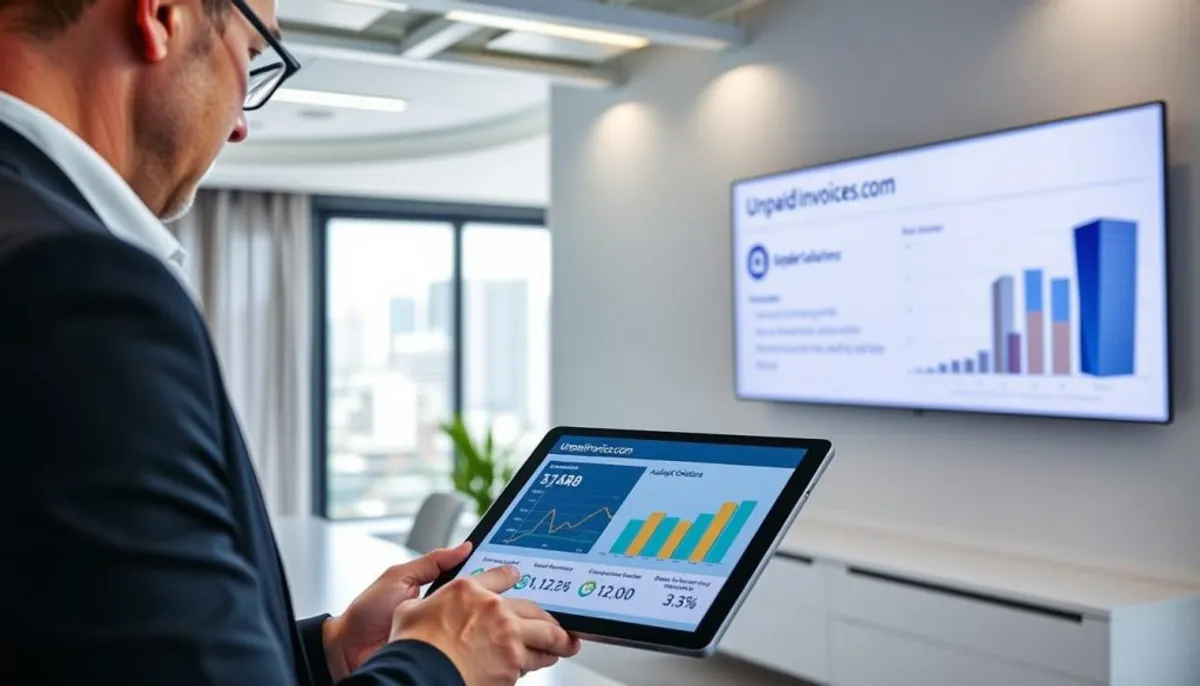
Small businesses and entrepreneurs frequently encounter difficulties tracking and recovering overdue payments from their clients. Our innovative platform delivers a comprehensive solution that fundamentally transforms how companies address unpaid invoice challenges. The automated system reduces manual effort while improving recovery rates significantly.
Automated Reminders with Smart Escalation
The platform’s core strength lies in its intelligent reminder system that operates without constant manual oversight. Businesses can now set up customized communication workflows that adapt to specific client situations and payment histories.
- Send professional payment reminders automatically
- Escalate communication based on invoice age
- Maintain a respectful communication tone
- Free up valuable time for business owners
Cost-Effective Recovery Strategy
| Collection Method | Fee Structure | Recovery Speed |
|---|---|---|
| Traditional Collection Agency | 25-50% of recovered amount | Months |
| Unpaid-Invoices.com | Flat monthly subscription | Days to Weeks |
Preserving Client Relationships
Our unpaid invoice solutions prioritize maintaining professional relationships throughout the entire collection process. The platform uses diplomatically crafted communications that encourage payment without damaging client rapport or burning bridges. Businesses can now recover funds while keeping future collaboration possibilities open and viable.
Real-world success stories demonstrate the platform’s remarkable efficiency in managing overdue accounts across various industries. TaxAssist Accountants recovered £20,000 in just 30 minutes using the automated system’s streamlined approach.
Knowing When to Stop Chasing Unpaid Invoices
Dealing with unpaid invoices can drain your business resources significantly. The smartest financial decision often involves knowing when to stop pursuing a payment. This becomes crucial when collection costs exceed the invoice’s actual value.
Business owners face a critical challenge in determining the right moment to discontinue collection efforts. The key is performing a strategic cost-benefit analysis beyond the immediate invoice amount.
- Calculate total collection expenses
- Evaluate potential relationship damage
- Consider opportunity costs
- Assess long-term customer value
A practical guideline for dealing with unpaid invoices involves comparing collection expenses against the invoice value. When pursuit costs exceed the original amount owed, it’s time to make a strategic withdrawal.
Key factors to consider include:
- Direct expenses like legal fees
- Potential loss of future business
- Time spent on non-productive activities
- Psychological stress on your team
Proper documentation remains crucial for dealing with unpaid invoices effectively. Write off bad debt correctly for tax purposes and maintain clean financial records. This approach transforms a frustrating situation into a calculated business decision.
Not every unpaid invoice requires aggressive collection tactics. Smart businesses know when to pivot their energy toward more productive opportunities.
Conclusion
Unpaid invoices represent a critical challenge for businesses across the United States. Nearly 49% of invoices become overdue, requiring strategic thinking and proactive approaches. The right strategies can transform this potential financial drain into an efficient, manageable process.
Data reveals that businesses can prevent 80% of payment issues through systematic strategies. Modern technology like digital invoicing platforms enables companies to streamline collection processes. This reduces time spent tracking down payments. By implementing clear payment terms, utilizing automated reminders, and maintaining professional communication, organizations can dramatically reduce outstanding balances.
Successful invoice management isn’t about aggressive collection tactics. It’s about creating robust systems that protect cash flow while preserving client relationships. Businesses should view unpaid invoices as opportunities to improve financial processes. Tools like specialized online platforms can help transform accounts receivable from a frustrating burden into a smooth system.
Your next step is clear: review your current invoicing practices and implement prevention strategies. Leverage technology to minimize payment delays. With the right approach, you can turn unpaid invoices into a manageable aspect of operations.
FAQ
How long should I wait before following up on an unpaid invoice?
Start following up immediately when the payment becomes overdue. Implement a systematic follow-up schedule, beginning with a gentle reminder 5-7 business days after the due date. Escalate communication every 10-14 days while maintaining a professional approach. The key is consistency and a friendly tone that seeks collaborative resolution.
What are the most common reasons for unpaid invoices?
The most frequent causes include poor communication, unclear payment terms, invoicing errors, and complex payment processes. Customer financial difficulties and lack of systematic follow-up also contribute significantly. Most payment issues stem from process problems rather than intentional nonpayment. Implementing clear terms and automated reminder systems can prevent up to 80% of payment delays.
When should I consider legal action for an unpaid invoice?
Legal action should be an absolute last resort after all other collection methods have failed. Carefully analyze the cost-benefit, considering legal fees, court costs, and time investment. For smaller amounts, start with a demand letter or small claims court. For larger invoices, consult with a commercial law attorney to determine the most appropriate approach.
How can I protect my business from chronic late-paying customers?
Implement proactive strategies including conducting credit checks before working with new clients. Establish clear payment terms upfront and require deposits for high-risk projects. Offer multiple convenient payment methods and use automated reminder systems. Set up risk-based payment terms that adjust based on the customer’s payment history.
At what point should I stop trying to collect an unpaid invoice?
Consider stopping collection efforts if the cost to chase exceeds the invoice amount. Calculate direct expenses, opportunity costs, and potential damage to business relationships. Use a strategic approach that considers the customer’s historical value and potential for future business. Sometimes writing off a small invoice is more cost-effective than continued pursuit.
What are the most effective ways to follow up on an unpaid invoice?
Use a multi-channel approach with a systematic follow-up schedule. Start with email reminders, then progress to phone calls for high-value invoices. Maintain a professional, friendly tone that assumes positive intent and offers solutions like payment plans. Focus on problem-solving rather than confrontation while documenting all communication.
How can technology help manage unpaid invoices?
Modern AR management technology offers automated invoice generation and integrated payment systems. Real-time dashboards provide instant visibility into outstanding invoices. Automated alerts and reminders eliminate manual tasks and reduce errors. Customer portals remove friction from the payment process and improve collection rates.
What should be included in clear payment terms?
Comprehensive payment terms should specify exact due dates and list all acceptable payment methods. Include late payment penalties that comply with state laws. Outline dispute resolution procedures and customize terms based on customer risk levels. The goal is establishing professionalism and mutual understanding while protecting your financial interests.