Navigating business billing can feel complex, especially with outstanding invoices. The term “outstanding invoice artinya apa” translates to understanding unpaid bills. This knowledge proves essential for your business operations.
An invoice represents a critical financial document tracking transactions between buyers and sellers. Professionals call it an outstanding invoice when payment isn’t received by the scheduled date. This situation significantly impacts a company’s cash flow and financial health.
Businesses across industries encounter outstanding invoices representing uncollected payments requiring strategic management. Understanding this definition helps entrepreneurs maintain robust financial controls. It also streamlines their accounting processes effectively.
Key Takeaways
- Outstanding invoices are unpaid bills past their due date
- Proper invoice tracking ensures healthy cash flow
- Timely follow-up prevents long-term financial disruptions
- Digital tools can help manage invoice collection efficiently
- Understanding billing terminology is crucial for business success
Outstanding Invoice Artinya Apa
Navigating business finance can be tricky, especially when dealing with international terminology. The phrase “outstanding invoice artinya apa” bridges language gaps for professionals working across different cultural contexts.
In business communication, understanding billing terminology is crucial. Let’s break down what this Indonesian phrase actually means and why it matters in financial interactions.
Understanding the Indonesian Translation
The term “artinya apa” directly translates to “what does it mean” in Indonesian. Applied to invoicing, it represents a critical question businesses ask about unpaid bills. Clear outstanding invoices meaning becomes essential for maintaining healthy financial operations.
- Artinya apa: Literally means “what does it mean”
- Helps clarify complex billing terminology
- Bridges language barriers in international business
Breaking Down the Billing Terminology
An outstanding invoice refers to a bill that remains unpaid beyond its specified due date. This financial document represents a formal request for payment that has not yet been settled. The client or customer still owes the amount indicated on the original billing statement.
Key components of an outstanding invoice include:
- Original invoice date
- Payment terms
- Total amount due
- Current payment status
Understanding these nuances helps businesses manage their financial health effectively. It also maintains clear communication with clients across different language backgrounds.
What Is an Invoice and Why Does It Matter
An invoice is a crucial financial document that serves as the backbone of business transactions. These time-stamped records capture essential details of a sale. They provide a clear snapshot of goods or services exchanged between buyer and seller.
Businesses rely on invoices for multiple critical purposes:
- Legal documentation of transactions
- Precise financial record-keeping
- Tracking revenue and cash flow
- Establishing payment obligations
Unlike quotes or receipts, invoices are living documents that tell the complete story of business interactions. They capture not just what was sold, but the specific terms of the sale, including:
- Itemized list of products or services
- Agreed-upon pricing
- Payment methods
- Due dates for payment
Outstanding invoices play a vital role in maintaining financial health for any business operation. They create a transparent audit trail that helps companies track income accurately. These documents provide essential documentation needed for tax purposes and regulatory compliance.
Professional invoicing demonstrates credibility and helps build trust with clients. It shows attention to detail and commitment to clear, transparent business practices.
The Anatomy of an Outstanding Invoice
Knowing the critical components makes an invoice complete and legally valid. An invoice transcends mere paperwork—it’s a financial document narrating a business transaction’s story.
Every professional invoice requires several essential elements to ensure clarity and proper tracking:
- Unique invoice number for precise record-keeping
- Clear invoice date establishing payment timeline
- Comprehensive seller contact information
- Detailed buyer billing address
- Itemized description of goods or services
- Precise quantity and unit pricing
- Applicable tax calculations
- Total amount due
Decoding Payment Terms and Timelines
Payment terms prove crucial in defining when an invoice becomes outstanding. Different payment structures can significantly impact cash flow:
- Net 30: Full payment required within 30 days
- Net 15: Payment due within 15 days
- Due on Receipt: Immediate payment expected
- 2/10 Net 30: 2% discount if paid within 10 days, otherwise full amount due in 30 days
Businesses must strategically design invoices to minimize payment delays. The key is creating transparent, professional documentation that leaves no room for misunderstanding. Healthy financial operations depend on clear communication and well-structured billing practices.
Understanding Outstanding Invoices in Business Context
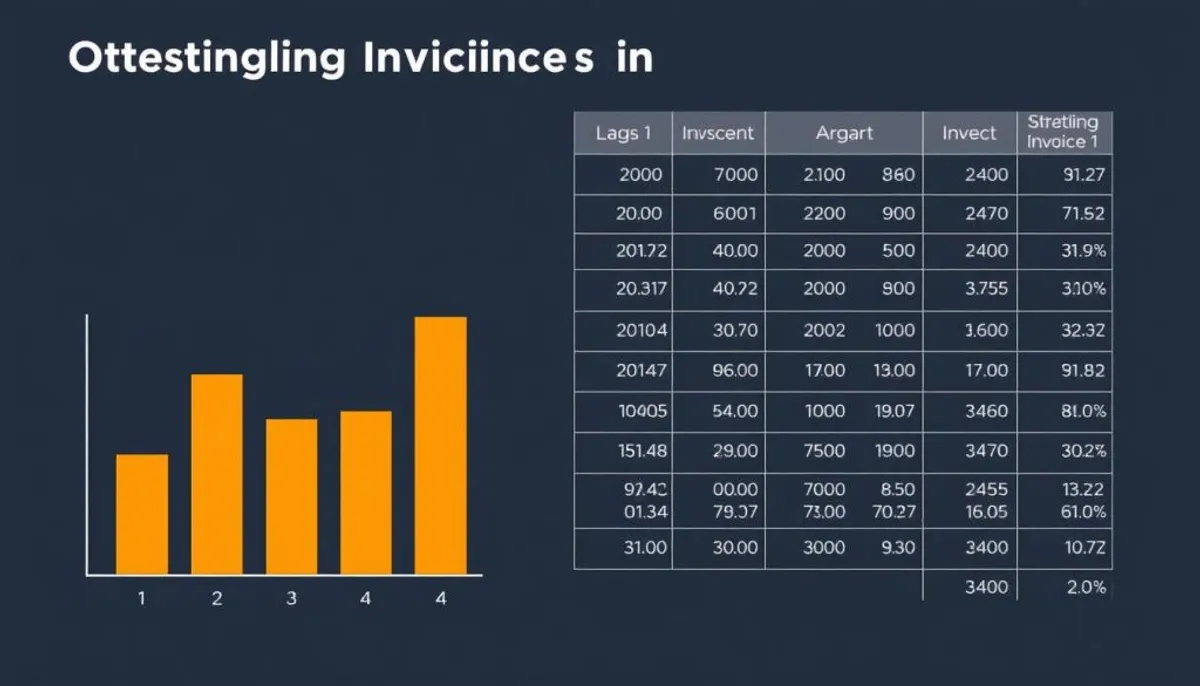
Accounting for outstanding invoices is a critical financial process that helps businesses track their revenue. It also enables companies to manage cash flow effectively. These invoices represent money owed to a company for goods or services already provided but not yet paid for.
Outstanding invoices are classified as accounts receivable in accounting. They play a crucial role in financial reporting and business operations. An invoice creates a financial record that indicates the expected incoming payment.
Key Aspects of Outstanding Invoices in Business Accounting
- Represent current assets on financial statements
- Track potential income not yet received
- Help monitor customer payment behaviors
- Support accurate financial planning
Businesses use aging reports to categorize outstanding invoices based on their payment status. These reports help management understand the financial health of their accounts receivable.
| Invoice Age | Business Impact | Recommended Action |
|---|---|---|
| 0-30 Days | Normal Payment Cycle | Standard Follow-up |
| 31-60 Days | Potential Payment Delay | Gentle Reminder |
| 61-90 Days | Significant Risk | Urgent Communication |
| 90+ Days | High Collection Risk | Legal Consideration |
Accounting for outstanding invoices requires strategic management. Tracking these financial documents carefully helps businesses maintain healthy cash flow. Proper monitoring minimizes potential revenue losses.
How Outstanding Invoices Impact Your Cash Flow
Managing outstanding invoices is crucial for maintaining healthy business finances. Unpaid invoices create significant challenges that can disrupt your entire financial ecosystem.
Cash flow represents the lifeblood of any business operation. Unresolved invoices create a financial bottleneck that prevents smooth business functioning. Completing a project without receiving payment directly impacts your ability to cover essential expenses.
The Connection to Accounts Receivable
Accounts receivable represents money owed to your business from completed work or sales. These unpaid amounts affect your financial planning in several ways:
- Delayed revenue recognition
- Reduced operational capital
- Potential cash flow interruptions
- Limited investment opportunities
Managing Payment Delays and Business Operations
Payment delays can create significant operational challenges. Businesses might struggle with several issues:
- Postponing vendor payments
- Limiting growth investments
- Potential short-term financing needs
- Increased administrative costs for follow-ups
The key is implementing proactive strategies for tracking and collecting outstanding invoices. Digital invoicing tools improve your cash flow management. Clear payment terms and consistent communication dramatically enhance collection rates.
Effective invoice management transforms financial uncertainty into predictable revenue streams.
Common Reasons Why Invoices Remain Outstanding
Understanding why invoices go unpaid is crucial for effective handling unpaid invoices explanation. Businesses encounter various scenarios that can delay payment. These range from simple misunderstandings to complex administrative challenges.
The reasons for outstanding invoices can be categorized into several key areas:
- Communication Breakdowns
- Invoices sent to incorrect email addresses
- Emails lost in spam folders
- Personnel changes in recipient’s organization
- Internal Processing Issues
- Complex approval workflows
- Misplaced documentation
- Departmental miscommunication
- Financial Constraints
- Cash flow challenges
- Unexpected business expenses
- Budgetary restrictions
Disputes about service quality or quantity can also significantly impact invoice payment timelines. Some clients may intentionally delay payments as a cash management strategy. Others might have legitimate concerns requiring resolution.
| Issue Type | Potential Impact | Resolution Strategy |
|---|---|---|
| Communication Error | 30-45 days delay | Verify contact information |
| Approval Process | 15-60 days delay | Streamline documentation |
| Financial Constraints | 30-90 days delay | Flexible payment arrangements |
Proactive communication remains the most effective approach in handling unpaid invoices explanation. Understanding these potential obstacles allows businesses to develop targeted strategies. This minimizes payment delays and maintains healthy client relationships.
Best Practices for Managing Outstanding Invoices
Navigating outstanding invoices requires a strategic approach. Businesses can streamline billing processes and improve cash flow through smart management techniques. Understanding how to handle outstanding invoices effectively makes all the difference.
Creating Effective Follow-Up Systems
Developing a robust follow-up system is crucial for maintaining healthy financial relationships. Effective strategies for how to handle outstanding invoices include several key components.
- Establish clear communication protocols
- Create a standardized timeline for invoice follow-ups
- Document all communication attempts
- Maintain a professional and courteous approach
Automating Your Invoice Reminders
Modern technology offers powerful solutions for managing outstanding invoices. Automation can transform your billing process by streamlining multiple tasks simultaneously.
- Sending automatic reminders before due dates
- Tracking invoice status in real-time
- Escalating overdue invoices systematically
- Reducing manual follow-up work
Digital platforms enable businesses to create customized reminder sequences that maintain professional relationships. These systems ensure timely payments while preserving positive client interactions. Companies can significantly improve their invoice collection process through these best practices.
How Unpaid-Invoices.com Simplifies Outstanding Invoice Management
Managing outstanding invoices presents a challenging task for businesses of all sizes. Unpaid-Invoices.com emerges as a powerful SaaS platform designed to streamline collection processes. The system handles ways to collect outstanding payments effortlessly and professionally.
The platform offers a comprehensive solution for businesses struggling with overdue accounts. Automating the entire invoice collection process delivers several key benefits:
- Automated payment reminders
- Professional communication sequences
- Easy payment tracking
- Relationship-preserving collection strategies
What sets Unpaid-Invoices.com apart is its intelligent approach to collecting outstanding payments. The platform uses sophisticated algorithms to send tailored communication at optimal intervals. This ensures a higher likelihood of payment without damaging client relationships.
Key features include:
- Customizable reminder templates
- Real-time payment tracking
- Detailed reporting and analytics
- Integration with existing accounting systems
Small businesses and freelancers can particularly benefit from this service. It eliminates the uncomfortable process of chasing payments. Entrepreneurs can focus on their core business activities while maintaining professional client interactions.
Choosing Unpaid-Invoices.com helps businesses reduce collection times and improve cash flow. The platform simultaneously preserves valuable client relationships.
Electronic Invoicing Versus Traditional Paper Billing
The digital revolution has transformed how businesses handle understanding outstanding invoices. Electronic invoicing has emerged as a powerful alternative to traditional paper billing. It offers remarkable efficiency and streamlined financial management.
Benefits of Digital Invoice Systems
Digital invoice systems provide numerous advantages for businesses seeking to optimize their financial processes:
- Instant delivery eliminating postal delays
- Automatic tracking of invoice status
- Seamless integration with accounting software
- Reduced human error in data entry
- Significant cost savings on printing and postage
Understanding outstanding invoices becomes dramatically simpler with electronic systems. These platforms offer real-time visibility and comprehensive tracking capabilities.
Tracking and Organizing Payment Records
Electronic invoicing revolutionizes payment record management through advanced features:
- Instant searching by client, invoice number, or date
- Automatic categorization of paid and outstanding invoices
- One-click generation of aging reports
- Cloud-based storage ensuring document preservation
Businesses can dramatically improve their understanding of outstanding invoices by embracing digital transformation. This shift reduces administrative burden while enhancing financial visibility.
The future of billing is digital, offering unprecedented efficiency and clarity in financial transactions.
Strategies to Collect Outstanding Payments Without Damaging Relationships
Collecting outstanding payments demands a strategic approach that balances firmness with professionalism. The objective is maintaining strong business relationships while securing funds owed to your company.
Effective payment collection involves several crucial steps that protect both parties’ interests.
- Start with a friendly, professional communication
- Understand the client’s potential financial challenges
- Offer flexible payment solutions
- Maintain clear and consistent follow-up
The first approach should always be assuming good faith. Most clients intend to pay but may face temporary financial difficulties. Craft your initial communication with empathy and professionalism to open productive dialogue.
Consider implementing these strategies for collecting outstanding payments:
- Send polite, automated email reminders
- Provide multiple payment options
- Offer structured payment plans
- Schedule personal follow-up calls
Digital platforms like Unpaid-Invoices.com can streamline this process by providing automated communication tools. These solutions help businesses collect outstanding payments without resorting to aggressive collection tactics that damage relationships.
The goal extends beyond collecting a single payment. Focus on maintaining long-term business relationships that could generate future revenue and referrals.
The Role of Billing Software in Preventing Overdue Accounts
Modern businesses are transforming how they handle outstanding invoices through advanced billing software solutions. These powerful tools go beyond traditional invoicing methods. They offer comprehensive strategies to prevent and manage overdue accounts effectively.
Navigating the complexities of invoice management requires sophisticated technology. This technology streamlines financial processes and reduces payment delays significantly.
Automated Payment Scheduling Features
Billing software provides dynamic solutions for managing outstanding invoices with precision. Key automated features include:
- Recurring invoice generation for regular clients
- Automatic payment reminder scheduling
- Customizable payment tracking
- Real-time payment status updates
Automated scheduling eliminates human error and ensures consistent financial follow-up. Businesses can set up intelligent systems that proactively manage billing cycles. This reduces the risk of late payments substantially.
Real-Time Reporting and Analytics
Advanced billing platforms offer robust reporting capabilities that help businesses understand payment patterns. They also help predict future payment behaviors. These tools provide:
- Comprehensive dashboards showing outstanding receivables
- Detailed aging reports
- Client payment history analysis
- Trend identification for collection efficiency
By leveraging data-driven insights, companies can develop strategic approaches to managing outstanding invoices. This minimizes financial risks and improves cash flow management.
Conclusion
Understanding outstanding invoice artinya apa represents more than just tracking unpaid bills—it’s about maintaining a healthy business ecosystem. Every invoice tells a story of value delivered and potential revenue waiting to be realized. Effective invoice management isn’t about aggressive collection but strategic financial communication.
Unpaid-invoices.com emerges as a game-changing solution for businesses struggling with receivables. Their platform offers a sophisticated, relationship-preserving approach to tracking and collecting outstanding invoices. By leveraging technology, companies can streamline their billing processes and reduce administrative stress. This approach improves cash flow without damaging client relationships.
The key takeaway is simple: outstanding invoice artinya apa means transforming financial challenges into opportunities for growth. Modern businesses need smart, automated systems that balance professional follow-up with customer respect. With the right tools and strategies, managing unpaid invoices becomes less about confrontation and more about collaborative financial resolution.
Consider how technology like unpaid-invoices.com can revolutionize your approach to receivables management. Embrace a proactive, systematic method of tracking receivables that protects your bottom line while nurturing long-term business connections. Your financial success depends on turning outstanding invoices from obstacles into strategic advantages.
FAQ
What does “outstanding invoice artinya apa” mean?
This phrase translates from Indonesian to “What does an outstanding invoice mean?” An outstanding invoice represents a bill for goods or services that remains unpaid. The payment deadline has passed, yet the amount is still owed.
How long can an invoice remain outstanding?
Invoices can remain outstanding for varying periods, typically categorized into aging brackets. These include 0-30 days, 31-60 days, 61-90 days, and 90+ days. The longer an invoice remains unpaid, the more critical follow-up becomes. Timely collection efforts help maintain healthy cash flow.
What essential information should an invoice include?
A professional invoice must include a unique invoice number and date. Seller’s business contact information and buyer’s details are essential. Include detailed descriptions of goods or services, quantities, and unit prices. Add subtotal, tax amounts, total amount due, and specific payment terms.
Why do invoices become outstanding?
Invoices become outstanding for various reasons beyond simple oversight. Administrative errors and email delivery issues can delay payment. Internal approval processes and client cash flow challenges create delays. Quality disputes or occasionally intentional payment delays also contribute.
How can businesses reduce outstanding invoices?
Businesses can reduce outstanding invoices through strategic approaches. Implement automated reminder systems and establish clear payment terms upfront. Offer flexible payment options and maintain professional communication throughout. Use digital invoicing platforms that track and manage billing efficiently.
What impact do outstanding invoices have on cash flow?
Outstanding invoices directly impact cash flow by creating payment gaps. Earned revenue doesn’t translate to actual received payments immediately. This affects ability to pay vendors and meet payroll obligations. It also limits investment in growth opportunities and threatens financial stability.
Are digital invoicing systems better than paper invoices?
Digital invoicing systems offer numerous advantages over traditional paper methods. They provide instant delivery, automatic tracking, and easier record-keeping. Reduced errors, lower costs, and environmental benefits are significant. Simplified compliance with tax regulations makes digital systems the superior choice.
How should businesses approach collecting outstanding payments?
Businesses should approach outstanding payments with professionalism and tact. Start with friendly reminders rather than aggressive demands. Offer flexible payment solutions and maintain clear communication throughout. Use graduated follow-up approaches while preserving long-term client relationships.
What are payment terms, and how do they work?
Payment terms specify when and how invoices should be paid. “Net 30” means full payment due within 30 days. “Due on Receipt” requires immediate payment upon invoice receipt. “2/10 Net 30” offers 2% discount if paid within 10 days.
Can automated systems really help manage outstanding invoices?
Automated systems significantly improve invoice management through consistent processes. They send timely reminders and track payment status automatically. These systems generate reports, provide analytics, and maintain consistent communication. Manual intervention becomes minimal while efficiency increases dramatically.