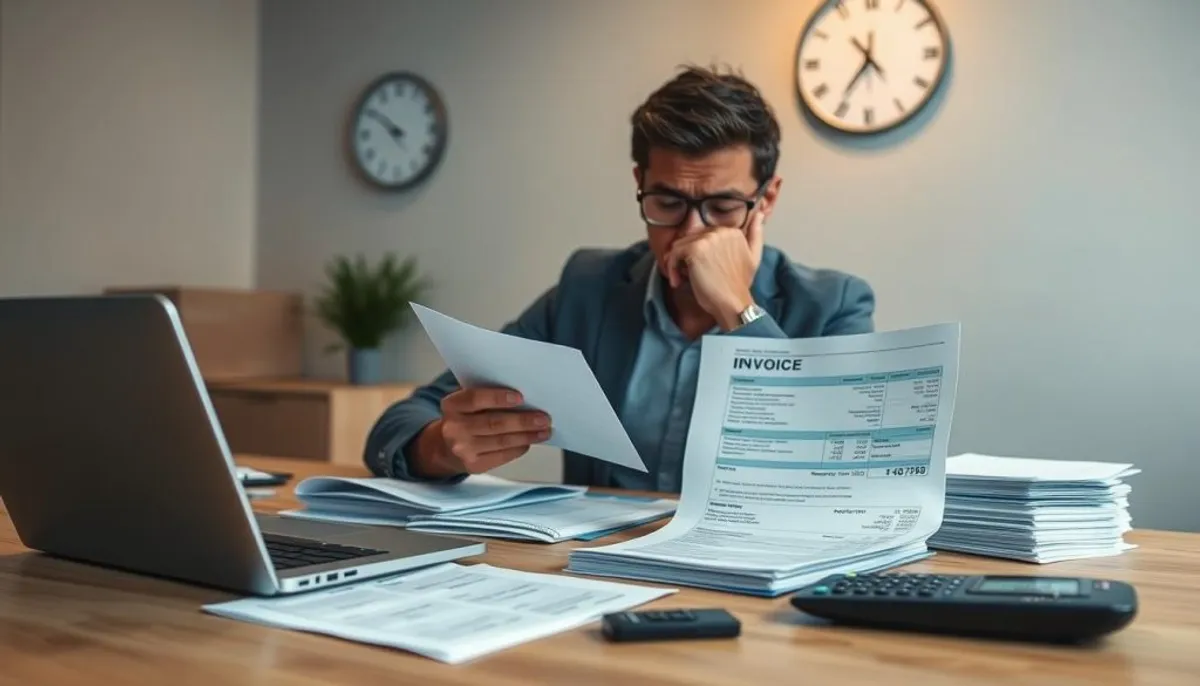
Dealing with unpaid invoices can quickly become a business nightmare. Entrepreneurs and small business owners often struggle with debt collection. They face significant financial strain when clients fail to pay for services or goods rendered. The stress of unpaid invoices can disrupt cash flow and threaten business stability.
Experian reports that U.S. consumers currently owe a staggering $17.57 trillion in debt. This highlights the widespread challenge of recovering money owed. Small claims court emerges as a powerful tool for businesses seeking unpaid invoice recovery. It offers a straightforward path to resolve financial disputes.
Innovative platforms like unpaid-invoices.com now provide modern alternatives to traditional debt collection methods. These digital solutions streamline the small claims court process. They help businesses recover funds efficiently without extensive legal complications.
Key Takeaways
- Unpaid invoices can severely impact business cash flow
- Small claims court offers a viable debt collection strategy
- Digital platforms simplify invoice recovery processes
- Understanding your rights is crucial for successful debt collection
- Proactive communication can prevent payment disputes
Understanding Small Claims for Unpaid Invoice
Navigating monetary disputes can be challenging for businesses and individuals seeking to recover unpaid invoices. Small claims court offers a straightforward legal pathway for resolving financial conflicts without complex legal procedures.
Small claims court provides an accessible method for pursuing small claims for unpaid invoice. This system is designed to help individuals and businesses recover money owed with minimal legal complexity. The process is intentionally simplified to allow people to represent themselves effectively.
What Qualifies as a Small Claims Case
Not every financial dispute belongs in small claims court. Understanding the small claims limit is crucial for determining whether your case is appropriate. Small claims court handles monetary disputes within specific financial ranges that vary by jurisdiction.
- Most states limit claims between $5,000 and $10,000
- Some jurisdictions allow claims up to $15,000
- Smaller states might restrict claims to $1,500 or $2,000
| State | Small Claims Limit |
|---|---|
| California | $10,000 for individuals |
| New York | $10,000 for individuals |
| Texas | $20,000 for businesses |
When to Consider Legal Action for Non-Payment
Deciding to pursue legal action requires careful consideration. Evaluate these factors before filing a small claims court case:
- Verify the amount owed exceeds court filing fees
- Confirm the debtor’s ability to pay
- Ensure the claim is within the statute of limitations
- Exhaust alternative collection methods first
Pro tip: Always document all communication and maintain clear records of the unpaid invoice to strengthen your case.
Steps to Take Before Filing a Small Claims Lawsuit
Resolving unpaid invoices demands a strategic approach before escalating to legal action. Businesses must follow a systematic process to maximize collection success. Professional communication remains essential throughout this journey.
A structured communication strategy significantly improves debt recovery chances. The objective centers on resolving matters amicably while avoiding legal complexities. Proper documentation proves vital for potential future proceedings.
Sending Payment Reminders and Follow-Up Communications
Effective collection letters follow a progressive communication strategy:
- Initial Reminder (10-15 days after due date)
- Include invoice number
- Specify exact amount owed
- Reference original payment deadline
- Provide clear payment instructions
- Follow-up Inquiry (30 days past due)
- More direct communication
- Request explanation for delayed payment
- Offer payment plan options
Issuing a Letter Before Action
The demand letter represents your final communication before pursuing legal channels. This critical document establishes clear expectations and consequences. Proper formatting strengthens its legal weight.
Your demand letter should accomplish four essential objectives:
- Clearly state total debt amount
- Reference previous communication attempts
- Set a final payment deadline (7-14 days)
- Explicitly warn about potential legal action
Pro tip: Platforms like unpaid-invoices.com can automate this entire process. Automation saves valuable time while maintaining professionalism. The system ensures consistent follow-through on collection efforts.
Certified mail delivery creates a verifiable paper trail for your demand letter. This documentation becomes crucial evidence during legal proceedings. Courts value proof of good-faith collection attempts before litigation.
How Small Claims Court Works for Unpaid Invoices
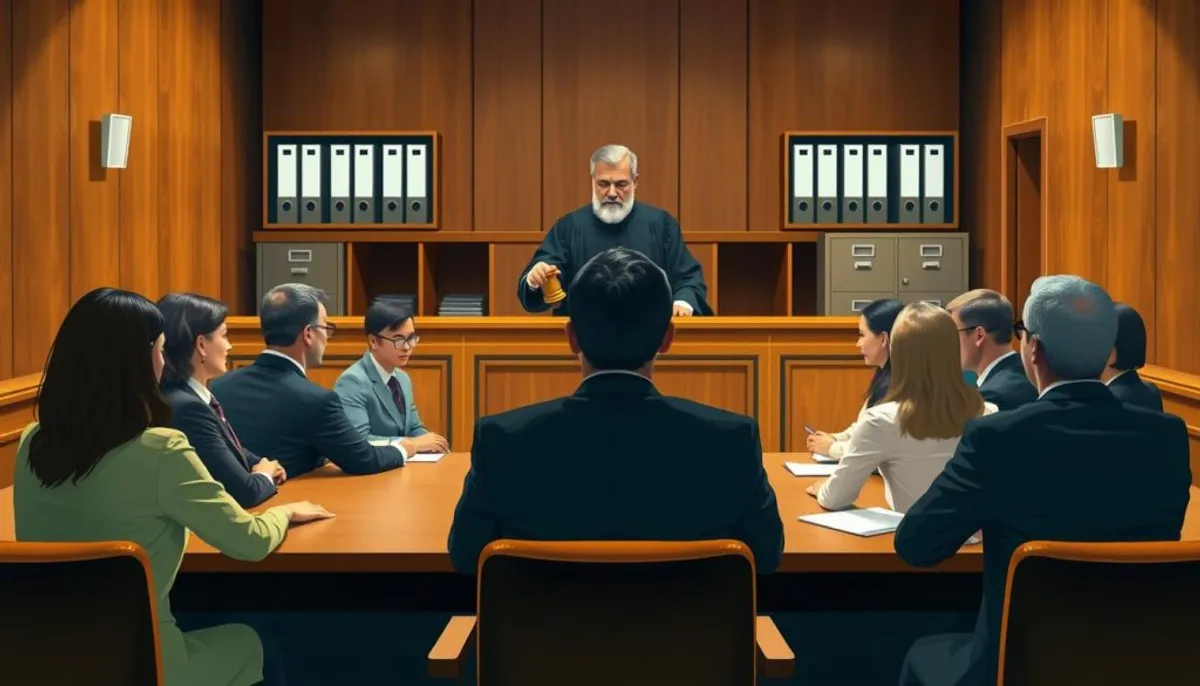
Navigating the small claims court process can feel overwhelming for business owners seeking to recover unpaid invoices. Understanding the steps involved helps you approach your case with confidence and strategy.
The small claims process typically follows a straightforward path designed to resolve financial disputes efficiently. Here’s what you can expect:
- File a formal complaint with your local small claims court
- Serve official notification to the defendant
- Prepare documentation supporting your unpaid invoice
- Attend the court hearing
Filing your complaint requires detailed information about the debt. You must provide specific documentation to support your claim.
Essential documents include:
- Original invoice details
- Proof of services rendered
- Communication attempts with the debtor
- Total amount owed
The court hearing is typically an informal proceeding where you’ll present your case directly to a judge. Bring all relevant documentation to support your claim. Most hearings are scheduled within 1-2 months of filing.
Each hearing lasts approximately 15-30 minutes. Judges review evidence and make determinations based on presented facts.
If the defendant fails to appear, you may receive a default judgment in your favor. This judgment legally confirms the debt. It provides a framework for potential collection actions.
Small claims court offers a path to recovering unpaid invoices. Platforms like unpaid-invoices.com can help businesses resolve financial disputes more efficiently. These alternatives potentially save time and reduce courtroom stress.
Filing Your Small Claims Procedure: A Complete Guide
Navigating the small claims process can seem daunting, but understanding key steps makes your journey smoother. Pursuing an unpaid invoice or seeking resolution for a business dispute requires knowing the filing requirements. Proper preparation significantly improves your chances of success in court.
Before diving into the small claims lawsuit, gather all necessary documentation to strengthen your case. Comprehensive evidence collection is essential for presenting a compelling argument.
Required Documentation and Evidence
Preparing for a small claims procedure requires compiling comprehensive evidence. Your documentation package should include multiple types of supporting materials.
- Original invoices showing amount owed
- Written contracts or service agreements
- Payment reminder correspondence
- Proof of goods delivered or services completed
- Communication records with the debtor
Organize these documents chronologically and create multiple copies. You’ll need sets for the court, defendant, and your personal records.
Understanding Small Claims Jurisdiction and Limits
Small claims jurisdiction varies by state, with monetary limits typically ranging from $2,500 to $15,000. Filing location depends on specific circumstances related to your case.
You’ll generally file in the county where:
- The defendant resides
- The defendant conducts business
- The contract was signed
- Services were performed
Pro tip: Verify your state’s specific small claims process and jurisdictional limits before filing.
| State | Small Claims Limit | Filing Location |
|---|---|---|
| California | $10,000 | County Court |
| New York | $5,000 | Local Court |
| Texas | $20,000 | County Courthouse |
Feeling overwhelmed by the small claims process? Consider using unpaid-invoices.com as a streamlined alternative that handles documentation and recovery. This service requires minimal effort on your part while maximizing recovery potential.
Small Claims Court Costs and Fees
Pursuing an unpaid invoice through small claims court demands careful consideration of financial implications. Court fees and legal expenses directly influence whether taking legal action makes sense. Understanding these costs helps you make informed decisions about debt recovery.
Filing costs for small claims court vary based on your claim amount. Here’s what you can expect to pay:
- Claims under $1,500: $30-$50 filing fees
- Claims between $1,500-$5,000: $75-$100 filing costs
- Claims over $5,000: $150-$455 in court fees
Initial filing costs represent just one portion of total expenses. Additional legal expenses require budget planning:
- Service of process fees ($20-$75)
- Potential witness fees
- Travel expenses to court
- Time away from business
| Claim Amount | Filing Fees | Additional Costs |
|---|---|---|
| $500-$1,000 | $35-$70 | $50-$100 |
| $1,500-$5,000 | $75-$100 | $100-$200 |
| $5,000-$10,000 | $150-$455 | $200-$300 |
Most small claims court proceedings do not allow recovery of full legal expenses. You might only recoup the original debt amount and court fees. Calculate whether pursuing legal action makes financial sense for your specific situation.
Alternatives to Small Claims Court: unpaid-invoices.com Solution
Recovering unpaid invoices can be a challenging process for businesses. While small claims court offers one avenue, modern technology provides more efficient alternatives for debt collection. The digital age has transformed how companies approach unpaid invoice recovery.
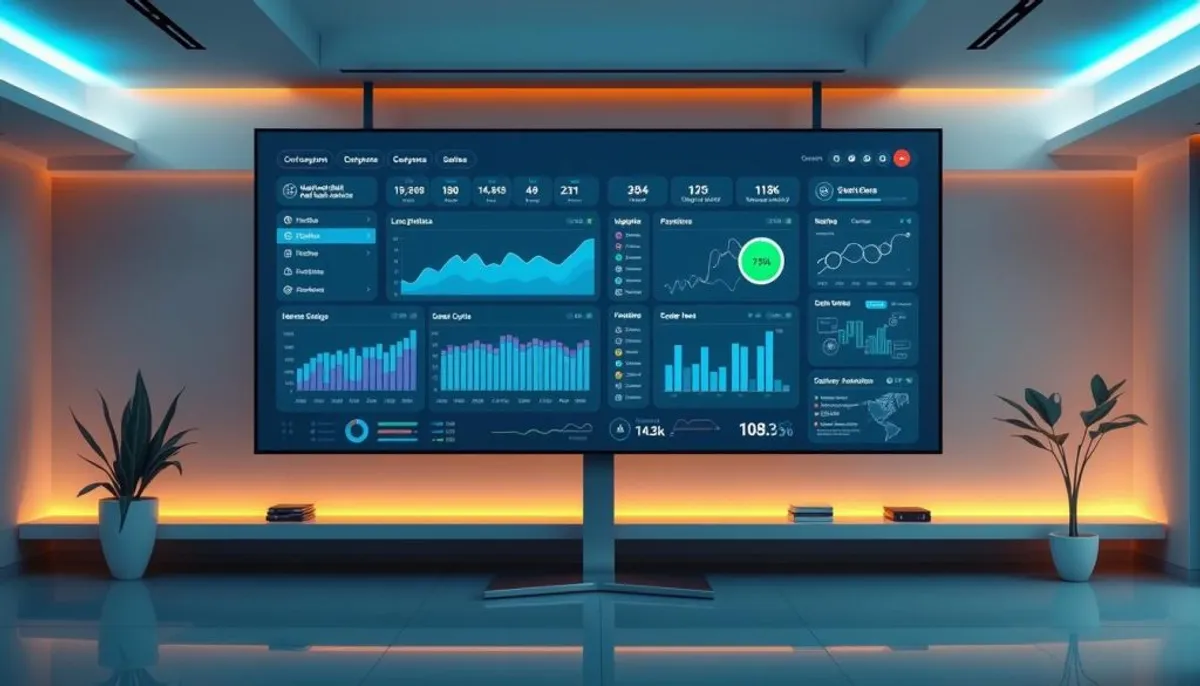
Businesses now have access to innovative platforms that streamline the payment recovery process without legal proceedings. Unpaid-invoices.com emerges as a cutting-edge solution for managing overdue accounts.
How Automated Payment Recovery Works
The platform simplifies debt collection through an intelligent, automated system. Key features include:
- Automatic payment reminder generation
- Strategic communication escalation
- Comprehensive invoice tracking
- Professional communication management
Cost-Effective Debt Collection Alternative
Traditional collection agencies often charge hefty fees, typically 20-40% of recovered amounts. In contrast, unpaid-invoices.com offers a more affordable approach to small claims for unpaid invoices.
| Collection Method | Average Fees | Relationship Impact |
|---|---|---|
| Traditional Collection Agency | 20-40% | High Risk of Damage |
| Unpaid-invoices.com | Low Processing Fee | Relationship Preservation |
The platform ensures businesses can recover outstanding payments while maintaining professional client relationships. By leveraging automated payment recovery, companies avoid the time-consuming small claims court process. This approach protects valuable business connections and preserves long-term partnerships.
Charging Interest on Overdue Invoices
Charging interest on unpaid invoices protects your financial interests and discourages late payments. Understanding statutory interest and late payment interest helps you recover funds more effectively.
Businesses have legal rights to charge interest on unpaid invoices. Two primary types of invoice interest charges exist for debt recovery.
- Contractual Interest: Predetermined rates specified in your original agreement
- Statutory Interest: Legal rates applied when no specific rate was agreed upon
For business-to-business transactions, statutory interest typically operates at 8% above the Federal Reserve rate. This rate compensates for cash flow disruption. It serves as a financial deterrent for late payments.
Debt interest calculation involves several key considerations for effective recovery:
- Interest begins accruing from the payment due date
- Charges continue until the full debt is settled
- Maximum interest collection period is six years
| Invoice Amount | Days Overdue | Annual Interest Rate | Calculated Interest |
|---|---|---|---|
| $5,000 | 90 days | 10% | $123 |
The unpaid-invoices.com platform simplifies this process through automated calculations. It integrates interest charges into collection efforts seamlessly. Businesses recover both principal amounts and appropriate compensation efficiently.
Preventing Payment Disputes and Late Payments
Managing payment terms effectively proves crucial for maintaining healthy business relationships and ensuring steady cash flow. Small businesses and freelancers often struggle with unpaid invoices. Strategic planning can significantly reduce payment risks and protect your revenue streams.
Establishing clear payment agreements forms the foundation of preventing late payments. Before beginning any project, strategic implementation of protective measures becomes essential. Consider these key strategies to safeguard your business interests and maintain financial stability.
- Create detailed contracts specifying exact payment terms
- Define precise invoice terms and payment deadlines
- Include late payment penalties in your agreement
- Request partial deposits for larger projects
Crafting Robust Payment Agreements
Protecting your business starts with comprehensive documentation. Your payment agreements should explicitly outline all terms and conditions. Clear specifications prevent misunderstandings and establish professional boundaries with clients.
- Specific service or product details
- Total project cost
- Payment schedule
- Accepted payment methods
- Late payment consequences
For businesses seeking streamlined invoice management, platforms like unpaid-invoices.com offer automated solutions. These systems help track payments and send timely reminders. They reduce the risk of outstanding invoices through consistent monitoring and communication.
Pro tip: Conduct credit checks on new clients and establish clear communication channels to prevent potential payment disputes.
When to Hire a Small Claims Attorney or Collection Agency
Deciding whether to pursue professional legal representation for unpaid invoices can be challenging. Most small business owners want to recover debts efficiently without spending excessive money on legal fees.
Before engaging a small claims attorney or collection agency, consider these critical factors:
- Debt amount and potential recovery
- Complexity of the legal dispute
- Relationship with the debtor
- Cost of professional debt collection services
Traditional collection agencies typically charge significant contingency fees ranging from 20-40% of recovered amounts. These debt collection services may not accept smaller invoices under $1,000. This makes them less practical for many small businesses.
| Service Type | Typical Costs | Best For |
|---|---|---|
| Small Claims Attorney | $200-$500 consultation | Complex legal disputes |
| Collection Agency | 20-40% of recovered funds | Large outstanding debts |
| Online Debt Recovery | Minimal fees | Most invoice situations |
Pro tip: For invoices under $2,000, digital platforms like unpaid-invoices.com offer cost-effective alternatives to traditional legal representation. These services help preserve business relationships while efficiently recovering outstanding payments.
Small claims attorneys can provide valuable legal representation for extremely complex cases. They also help when substantial amounts are at stake. However, for most small business invoice disputes, automated solutions prove more economical and less confrontational.
Enforcing Your Small Claims Court Judgment
Winning a small claims court case doesn’t automatically mean you’ll receive payment. The judgment is a legal document confirming the debt. Collecting the money requires additional steps in the small claims procedure.
After obtaining a court judgment, you have several collection options to enforce your small claims court ruling:
- Wage Garnishment: Legally collect money directly from the debtor’s paycheck
- Bank Account Levy: Freeze and seize funds from the debtor’s bank account
- Property Liens: Place a legal claim against the debtor’s real estate
- Asset Seizure: Request a sheriff to sell non-exempt personal property
Understanding Judgment Enforcement Challenges
Judgment enforcement can be complex and time-consuming. Some debtors might be “judgment-proof,” meaning they lack sufficient income or assets to collect against.
This process often requires:
- Conducting debtor’s examinations
- Filing additional paperwork
- Paying enforcement fees
- Tracking the debtor’s financial information
Navigating these challenges can be frustrating and expensive. Unpaid-invoices.com offers a streamlined alternative, helping businesses avoid the entire complicated judgment enforcement process.
Practical Collection Strategies
| Enforcement Method | Difficulty Level | Potential Success Rate |
|---|---|---|
| Wage Garnishment | Moderate | 60-70% |
| Bank Account Levy | High | 50-60% |
| Property Liens | Complex | 30-40% |
Successful judgment enforcement requires patience, persistence, and strategic approach. Consider professional debt collection services to maximize your chances of recovering the owed funds.
Conclusion
Navigating unpaid invoices presents significant challenges for business owners. Multiple approaches exist for effective debt recovery solutions. Understanding court procedures and implementing preventative measures provides a comprehensive toolkit. Businesses can now manage payment collection challenges more strategically.
Proactive strategies often work best in debt recovery. Small claims court remains an option for persistent cases. Modern technology offers more efficient pathways for collecting overdue payments. Platforms like unpaid-invoices.com streamline the entire debt recovery process.
These innovative solutions minimize time investment significantly. They preserve professional relationships during collection efforts. The traditional, confrontational approach transforms into a more collaborative process. Automated tools increase the likelihood of successful payment recovery.
Every business encounters payment delays at some point. Clear contract terms prevent many collection issues. Sending timely reminders maintains professional communication. Leveraging automated collection tools dramatically improves cash flow.
Unpaid-invoices.com provides a smart, professional alternative. The platform saves time and reduces stress. It increases successful payment recovery rates. Your business deserves prompt, hassle-free payment collection.
Take control of your financial health today. Sign up for unpaid-invoices.com and discover smarter invoice management. Focus on business growth instead of chasing payments. Success requires efficient systems for outstanding invoice management.
FAQ: Small Claims for Unpaid Invoices
What exactly is small claims court?
Small claims court offers businesses and individuals a streamlined legal path to recover smaller debts, typically under ,000. This venue eliminates the need for costly attorneys through its simplified process. You present your case directly to a judge during a straightforward hearing. The system prioritizes accessibility and efficiency for unpaid invoice disputes.
How much does it cost to file a small claims lawsuit?
Filing fees generally range from to 0, based on your claim amount and jurisdiction. Service of process fees add another – to your expenses. Factor in potential travel costs and business downtime when calculating total expenses.
Can I sue for an unpaid invoice from a previous year?
Most states enforce a six-year statute of limitations for debt collection actions. Specific timeframes differ by state and debt classification. Verify your claim remains within legal collection windows before initiating court proceedings.
What documentation do I need to bring to small claims court?
Gather copies of your original invoice and any relevant contracts or agreements. Include all communication records, particularly certified mail receipts documenting collection attempts. Bring proof of services rendered and a chronological timeline of your collection efforts. Well-organized, clear documentation significantly strengthens your position.
What happens if the defendant doesn’t show up to court?
Courts typically award default judgments to plaintiffs whose defendants fail to appear. However, winning judgment doesn’t guarantee automatic payment. You must still pursue collection steps to recover the awarded amount.
Can I charge interest on an unpaid invoice?
Interest charges on overdue invoices are legally permissible in most jurisdictions. Business-to-business transactions typically allow rates around 8% above the Federal Reserve’s base rate. Specify interest terms clearly in original contracts or invoices to simplify enforcement procedures.
Is small claims court my only option for recovering unpaid invoices?
Multiple recovery options exist beyond traditional court proceedings. Automated collection platforms like unpaid-invoices.com often recover funds more efficiently than courts. These services frequently prove more cost-effective than collection agencies or litigation.
How long does the small claims process typically take?
The complete process from filing to hearing spans 2-3 months, depending on court schedules. Actual hearings usually last less than one hour. Preparation and waiting periods represent the most time-consuming aspects of the process.
What if the amount I’m owed is less than the court filing fees?
Consider automated collection services or debt write-offs for very small amounts. Court fees may exceed recovery potential for minimal debts. Platforms like unpaid-invoices.com recover smaller amounts with minimal upfront investment.
Can I sue a client in a different state?
Filing typically occurs in the county where defendants live or conduct business. Out-of-state client cases involve complex jurisdictional considerations. Consult local court guidelines or legal professionals for cross-state collection matters.