
Navigating business finance requires understanding critical terminology that impacts cash flow and client relationships. The term “overdue invoice artinya” represents a crucial challenge many businesses face in maintaining financial health.
Invoicing serves as the lifeblood of commercial transactions. It functions as a formal request for payment that documents goods or services rendered. An overdue invoice signals potential disruptions in a company’s financial ecosystem. These delays can threaten operational stability and professional partnerships.
Key Takeaways
- Overdue invoices can significantly impact business cash flow
- Understanding invoice terminology is crucial for financial management
- Timely payment tracking prevents potential business complications
- Professional invoice management builds stronger client relationships
- Early detection of payment delays helps minimize financial risks
What Is an Invoice and Why It Matters
Invoices are critical financial documents that serve as the backbone of business transactions. They’re not just pieces of paper but powerful tools that capture the essence of every business exchange. Understanding invoices can transform how you manage your financial operations and maintain healthy cash flow.
An invoice is a detailed record of a transaction between a seller and a buyer. These documents go beyond simple payment requests—they’re comprehensive financial snapshots. They protect both parties’ interests throughout the business relationship.
The Fundamental Components of an Invoice
Every professional invoice must include several critical elements to be considered complete and legally sound:
- Unique invoice number for tracking purposes
- Clear payment terms specifying exact due dates
- Detailed seller and client contact information
- Itemized list of unit costs and total units purchased
- Breakdown of additional charges like freight, handling, and shipping
- Applicable taxes and the total amount owed
How Invoices Protect Your Business
Modern invoices have evolved from simple paper records to sophisticated electronic documents. They now serve multiple crucial functions across your business operations. Invoices track accounts receivable while maintaining essential tax documentation for compliance purposes.
These documents create a transparent paper trail that prevents potential financial disputes. Precise invoices with comprehensive details streamline financial processes and ensure accurate record-keeping. The right invoice is more than a payment request—it’s a strategic business tool.
Overdue Invoice Artinya: Breaking Down the Meaning
Grasping “overdue invoice artinya” means exploring business finance and communication fundamentals. An overdue invoice signals a payment that missed its scheduled deadline. This financial scenario poses challenges for businesses maintaining healthy cash flow.
Here are the key components of an overdue invoice:
- Payment Deadline Missed: The critical moment when an invoice transitions from current to overdue
- Financial Impact: Potential disruption to business operations and revenue streams
- Communication Trigger: Signals the need for follow-up with the client
The term “artinya” originates from Indonesian, translating to “meaning.” This highlights the importance of understanding unpaid invoices’ deeper implications.
| Invoice Status | Time Frame | Business Impact |
|---|---|---|
| Current Invoice | Within Payment Terms | Normal Cash Flow |
| Overdue Invoice | Past Payment Deadline | Potential Cash Flow Disruption |
An overdue invoice artinya extends beyond a missed payment. It represents potential strain on financial relationships. Strategic communication and professional follow-up become essential to resolve these situations.
When Invoices Become Overdue and What It Signals
Understanding the lifecycle of an invoice goes beyond simple paperwork. The invoice date serves as the critical starting point for all financial calculations. This date triggers the countdown to your payment deadline.
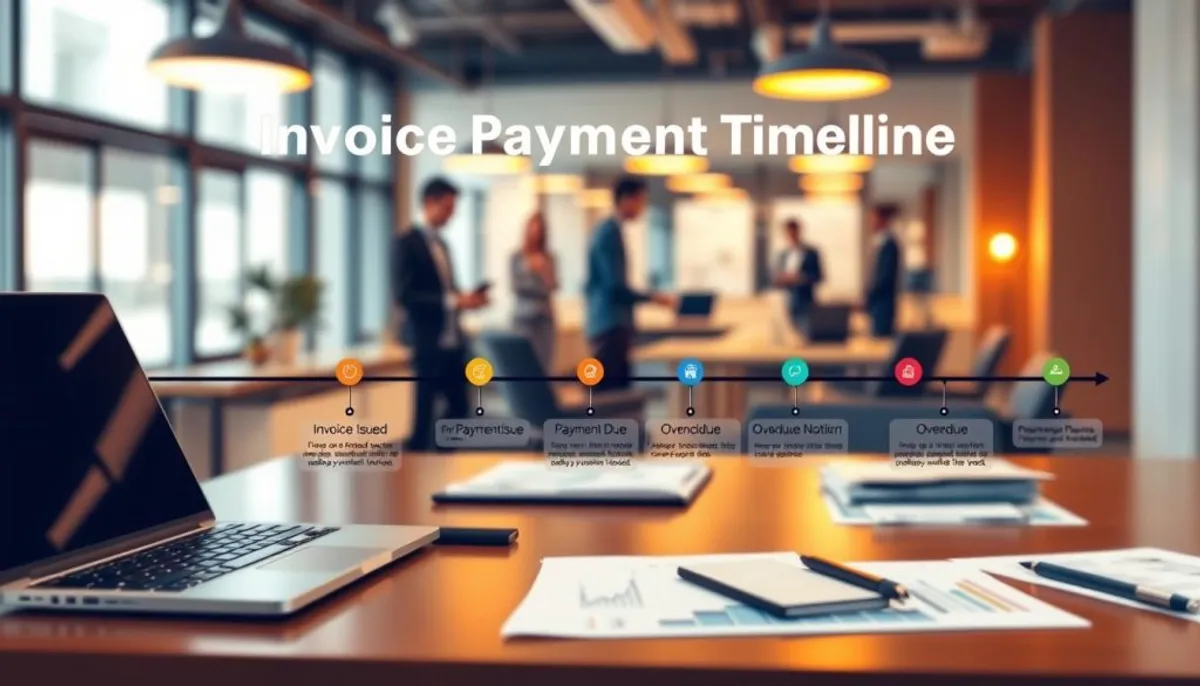
Different payment terms create unique timelines for businesses. Let’s break down the most common scenarios:
- Due Upon Receipt: Immediate payment expected
- Net 7: One week to complete payment
- Net 15: Two weeks for payment
- Net 30: Full month to settle invoice
- Net 60/90: Extended terms for specific clients
Decoding the Transition to Overdue Status
The exact moment an invoice becomes overdue is midnight following the due date. Various signals emerge that provide insights into the situation.
- Simple client oversight
- Invoice buried in email
- Accounts payable staff unavailable
- Potential cash flow challenges
- Possible work dissatisfaction
Understanding these signals helps craft an appropriate response. A first-time late payment might require a gentle reminder. Repeated delays could signal the need for stricter payment terms or upfront deposits.
Modern solutions like unpaid-invoices.com can automate tracking and follow-up. This ensures professional and timely communication when payments lag behind schedule.
Common Payment Terms That Prevent Overdue Invoices
Managing invoices effectively requires strategic payment terms that protect your business’s cash flow. The right approach can significantly reduce the risk of overdue invoices. A well-structured payment system creates a smoother financial workflow for your business.
Smart businesses leverage specific payment strategies to encourage timely payments. One powerful technique is the 2/10 Net 30 payment term, which offers clients a compelling incentive. This method provides a 2% discount if payment is made within 10 days. The full amount becomes due in 30 days if the discount window is missed.
- Offer early payment discounts
- Require partial upfront payments
- Set clear payment expectations
- Communicate terms consistently
Another effective strategy involves requesting partial payment upfront before beginning any work on a project. For instance, requesting 50% payment before starting work, with the remaining balance due upon project completion. This approach minimizes financial risk and demonstrates professional boundaries. Clients who commit financially upfront typically maintain stronger engagement throughout the project lifecycle.
| Payment Strategy | Benefit | Client Motivation |
|---|---|---|
| 2/10 Net 30 | Faster Cash Flow | 2% Discount Incentive |
| 50% Upfront Payment | Reduced Financial Risk | Project Commitment |
| Automated Reminders | Consistent Follow-up | Timely Payment Nudges |
Modern platforms like unpaid-invoices.com revolutionize invoice management by automating payment reminders. These tools send friendly notifications based on your specific payment terms. Automated systems dramatically reduce late payments without requiring manual tracking or constant follow-up efforts.
The key to successful payment terms is clear communication with every client you work with. Always discuss payment expectations with new clients before beginning any project work. Include terms in contracts, and maintain consistency across all invoices you send to clients.
The Real Cost of Overdue Invoices to Your Business
Overdue invoices can create a devastating financial domino effect for small businesses and freelancers. Delayed client payments make it difficult to pay suppliers on time. This situation potentially damages critical business relationships.
The financial implications of unpaid invoices extend far beyond simple inconvenience. Businesses face severe challenges that impact daily operations and long-term growth.
- Missing payroll or delaying your own salary
- Being unable to invest in growth opportunities
- Tapping into credit lines or business loans
- Risking bounced checks or missed crucial payments
Cash Flow Disruptions and Operating Challenges
Even one or two significant overdue invoices can trigger a genuine financial crisis for businesses operating on tight margins. The time cost alone is substantial and often underestimated. Business owners spend an average of 15-20 hours per month chasing late payments. This translates to nearly a full work week lost every month.
Damaged Client Relationships and Trust Issues
Following up on overdue invoices creates uncomfortable interactions that strain professional relationships. Many business owners worry about seeming pushy, which can damage client relationships. Repeated reminders make conversations tense and awkward. This potentially causes clients to avoid future work or become defensive about payment discussions.
The accounting complexity further compounds these challenges significantly. Overdue invoices disrupt financial projections and complicate tax planning considerably. They create additional bookkeeping work that consumes valuable time. In the worst-case scenario, some invoices become bad debt that directly impacts your bottom line.
Smart business owners are increasingly turning to automated solutions that handle overdue invoice processes professionally. These tools protect both cash flow and client relationships effectively.
How to Handle Overdue Invoices Professionally

Dealing with overdue invoices requires a strategic and professional approach. Maintaining positive client relationships while securing payment is essential for business success.
Send a friendly initial reminder once an invoice becomes overdue. Your communication should be polite and understanding. Clearly state the outstanding invoice details. Offer help in resolving potential issues.
- Polite and understanding
- Clear about the outstanding invoice
- Helpful in resolving potential issues
Craft a message that assumes the delay is an honest oversight. Reattach the invoice for convenience and provide multiple payment options.
“Hi [Client Name], I noticed our invoice #12345 is past due. I’ve reattached the invoice for your quick reference. If you’re experiencing any challenges processing the payment, please let me know how I can support you.”
Follow these professional steps for managing overdue invoices:
- Send an initial friendly reminder
- Include a copy of the original invoice
- Offer support for potential payment issues
- Gently reinforce payment terms
- Express appreciation for their attention
Schedule a follow-up communication within a week if the first reminder doesn’t yield results. Maintain a professional tone while being more direct about the need for payment.
Modern solutions like Unpaid-Invoices.com can automate this entire process. The platform sends perfectly timed reminders that preserve client relationships while ensuring timely payment.
Why Traditional Debt Collection Agencies Aren’t Your Best Option
Pursuing overdue invoices can quickly become a financial and relational nightmare for businesses. Traditional debt collection agencies often promise solutions but deliver unexpected complications. These complications can harm your business more than help it.
The Financial Drain of Collection Agencies
A client owing you $10,000 might only yield $5,000 to $7,500 after the agency takes their cut. You’ve essentially given away thousands of dollars earned through hard work. Smaller invoices face even grimmer prospects—many agencies won’t touch cases below specific dollar amounts.
- Typical agency commission rates range from 25-50%
- Minimum invoice thresholds can prevent collection of smaller debts
- Net recovery often falls significantly below original invoice value
Destructive Collection Tactics
Traditional collection agencies typically employ aggressive strategies that permanently damage client relationships. Their confrontational approaches include:
- Repeated intrusive phone calls
- Threatening legal correspondence
- Credit bureau reporting
- Treating clients like criminals
These tactics might extract payment, but at an enormous reputational cost. Clients subjected to such treatment will likely never work with you again. They may spread negative experiences within their professional network.
| Collection Method | Success Rate | Client Relationship Impact |
|---|---|---|
| Traditional Agency | 30-40% | High Damage |
| Negotiated Settlement | 60-75% | Low Damage |
| Professional Mediation | 50-65% | Minimal Damage |
The psychological toll of traditional collection methods can’t be understated. Handing accounts to collections feels like admitting defeat. This creates stress and potential long-term business relationship damage.
The bottom line: Traditional debt collection agencies are an outdated, expensive option that should be your absolute last resort.
How Unpaid-Invoices.com Transforms Overdue Invoice Management
Managing overdue invoices becomes seamless with unpaid-invoices.com. The platform revolutionizes traditional invoice collection through comprehensive, automated solutions. It saves time while preserving professional relationships.
Key features of the platform include:
- Automated Reminder System: Sends professionally crafted payment reminders
- Multi-Channel Payment Options: Makes paying easy for clients
- Real-Time Tracking: Provides clear dashboards of receivables
- Customizable Communication: Maintains your brand’s unique voice
Unpaid-invoices.com stands out by offering a unique approach to invoice management. This method differs dramatically from traditional debt collection techniques.
| Traditional Collection | Unpaid-Invoices.com |
|---|---|
| 25-50% Fund Recovery Fee | Low Subscription Cost |
| Aggressive Tactics | Professional, Relationship-Preserving Communication |
| Manual Follow-Up | Automated, Consistent Reminders |
Business owners using unpaid-invoices.com report significant improvements in collection rates. They experience reduced administrative time and maintained client relationships. The platform offers a smart solution for freelancers and small business owners. Service providers gain a stress-free approach to invoice management.
Preventing Future Overdue Invoices with Smart Strategies
Managing invoice payments requires strategic planning and proactive approaches. Business owners can significantly reduce the risk of overdue invoices by implementing targeted techniques. These techniques streamline financial interactions with clients and protect cash flow. Smart strategies create predictable payment patterns that benefit everyone involved.
Successful invoice management starts with crystal-clear communication about payment expectations. Setting transparent financial guidelines protects both parties and establishes professional boundaries. Clear terms eliminate confusion and reduce disputes over payment timing. Professional boundaries help maintain healthy business relationships throughout project lifecycles.
Creating Robust Payment Frameworks
Developing a comprehensive payment strategy involves several critical components:
- Discuss payment terms during initial client conversations
- Include detailed payment conditions in proposals
- Confirm written agreements before project initiation
- Specify exact payment due dates
- Outline acceptable payment methods
Automated Reminder Processes
Digital platforms like unpaid-invoices.com revolutionize invoice tracking through automated reminders. These systems send friendly notifications before and after invoice due dates. They maintain professional communication without manual intervention. Automation saves time while ensuring consistent follow-up with every client.
| Strategy | Benefit |
|---|---|
| Milestone Payments | Reduces financial risk |
| Multiple Payment Options | Increases payment convenience |
| Early Payment Incentives | Encourages prompt settlements |
Implementing these strategic approaches creates a robust financial ecosystem that minimizes overdue invoices. These methods maintain healthy client relationships while protecting business interests. Proactive payment frameworks reduce stress and improve predictable cash flow. Strategic planning transforms invoice management from reactive to preventative.
Conclusion
Overdue invoices represent a critical financial challenge for businesses of all sizes. These unpaid statements can disrupt cash flow and strain client relationships. Understanding the nuanced dynamics of invoice management protects your business’s financial health.
Modern technology has transformed how companies approach overdue invoice tracking. Platforms like Unpaid-Invoices.com offer sophisticated solutions that automate payment reminders and maintain professional communication. By leveraging these advanced tools, businesses reduce time spent on manual follow-ups. This approach minimizes potential conflicts with clients.
Prevention remains the most effective strategy for managing overdue invoices. Implementing clear payment terms and utilizing automated reminder systems dramatically reduces late payments. Establishing transparent communication channels builds sustainable, trust-based client relationships.
Your financial success depends on efficient invoice management. With the right approach and technological support, you create a robust system. This system protects your cash flow and preserves professional relationships. Take control of your invoicing process and watch your financial stability improve.
FAQ
What exactly does “overdue invoice” mean?
An overdue invoice is a billing document that remains unpaid past its agreed-upon due date. The customer has missed the payment deadline specified in the original invoice terms. These terms typically range from 30 to 90 days from the invoice date.
How quickly can an invoice become overdue?
An invoice becomes overdue immediately after the payment deadline passes. For example, if an invoice has net 30 payment terms, it becomes overdue the day after. The 30-day payment window expires at that point.
What are the potential consequences of an overdue invoice?
Overdue invoices can lead to several serious consequences for your business operations. These include disrupted cash flow and potential damage to business relationships. Added administrative costs for follow-up and possible need for collection actions also occur.
In some cases, it might also impact your company’s credit standing negatively.
How can I prevent invoices from becoming overdue?
To prevent overdue invoices, implement clear payment terms from the start. Send timely reminders before the due date arrives. Offer multiple payment options and maintain clear communication with clients. Consider using automated invoicing and reminder systems for efficiency.
What should I do if an invoice becomes overdue?
First, send a polite reminder email about the outstanding payment. Then follow up with a phone call to discuss the situation. Document all communication and maintain a professional demeanor throughout.
Understand the reason for the delay and remain flexible. Be open to negotiating a payment plan if the client faces financial difficulties.
Can overdue invoices impact my business credit?
Yes, consistent issues with overdue invoices can negatively impact your business credit score. Repeated late payments or collection issues create red flags for lenders. This makes it harder to secure financing or establish favorable terms. Suppliers and financial institutions may view your business as higher risk.
Are there legal ways to recover overdue invoice amounts?
Yes, you have several legal options for recovering unpaid amounts. These include sending formal demand letters and using mediation services. You can engage a professional collection agency for persistent cases. Pursuing small claims court action remains an option for significant outstanding amounts.
How long should I wait before taking serious collection action?
Most businesses recommend initiating serious collection efforts after 60-90 days of non-payment. However, the timeline can vary depending on your specific industry circumstances. Your relationship with the client and the invoice amount also factor in. Consider each situation individually before escalating collection efforts.
What information should I always include when sending an overdue invoice reminder?
Always include the original invoice number and total amount due clearly. State the original due date and number of days overdue. Provide clear payment instructions and contact information. Include a professional but clear request for immediate payment.
Can I charge late fees for overdue invoices?
Yes, but only if these terms were clearly specified in your original contract. Late fees must be reasonable and comply with local business regulations. Typically, late fees range from 1.5% to 5% of the total invoice amount. These fees are calculated per month of delay.