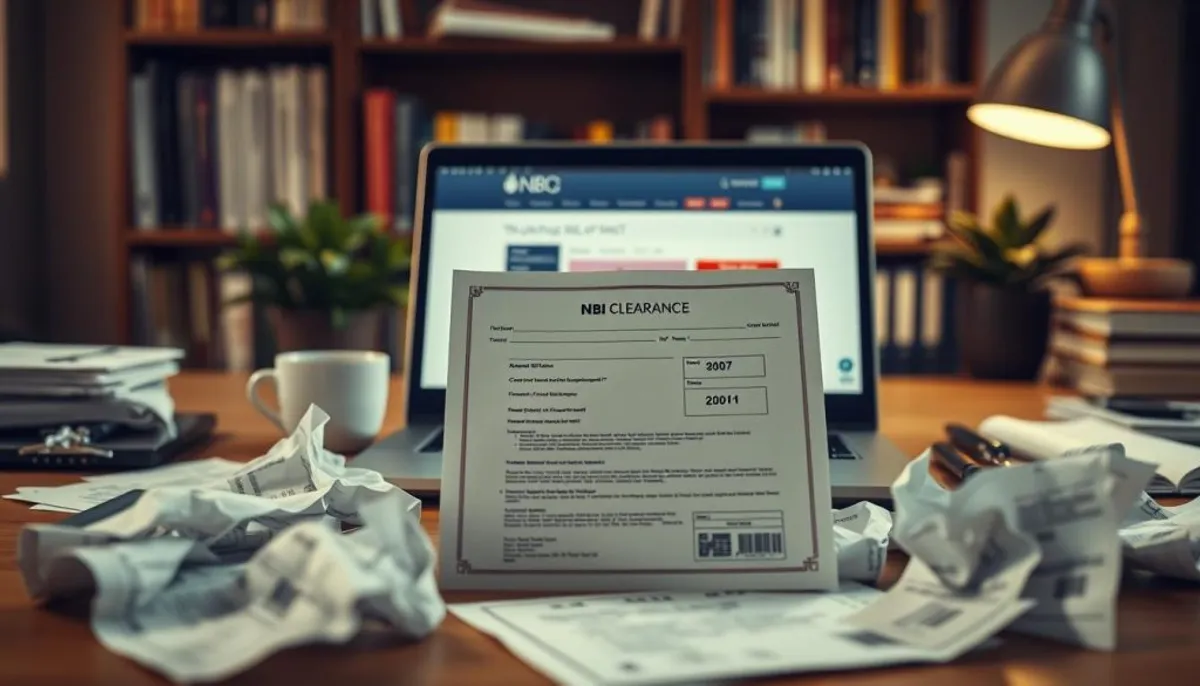
Navigating financial obligations can be challenging, especially regarding legal documents like the NBI clearance. Many Filipinos ask: does unpaid internet bill affect NBI clearance? The relationship between outstanding debts and legal documentation is more nuanced than most people realize.
The National Bureau of Investigation (NBI) clearance serves as a critical document for employment, travel, and various legal processes. While the unpaid bills impact on NBI clearance might seem straightforward, the reality is far more complicated. Individuals facing overdue internet service accounts often worry about potential legal repercussions.
This exploration will examine how financial obligations interact with legal documentation. We’ll provide clarity and guidance for those concerned about their NBI clearance status.
Key Takeaways
- NBI clearance is crucial for various legal and professional processes
- Unpaid internet bills are typically civil matters, not criminal issues
- Financial obligations do not automatically prevent NBI clearance
- Understanding your rights and legal options is essential
- Proactive communication with service providers can prevent complications
Understanding NBI Clearance and Its Purpose
Navigating legal documentation in the Philippines can be complex, especially with official clearances. The NBI clearance provides a comprehensive background check for many Filipinos. This document impacts various aspects of personal and professional life significantly.
The National Bureau of Investigation clearance verifies an individual’s criminal record status. Understanding the nbi clearance requirements is key to obtaining this important certification. Proper knowledge ensures a smooth application process.
What is NBI Clearance?
An NBI clearance is an official document checking criminal history through the national database. It provides a comprehensive overview of potential legal issues. These issues might affect professional or personal opportunities for individuals.
- Verifies criminal record status
- Issued by the National Bureau of Investigation
- Required for multiple legal and professional purposes
Common Uses of NBI Clearance in the Philippines
Learning how to get NBI clearance opens numerous opportunities across various sectors. The document proves critically important for multiple life and career scenarios. Understanding its applications helps individuals prepare their documentation properly.
| Purpose | Specific Use |
|---|---|
| Employment | Job applications, professional licensing |
| Travel | Visa applications, overseas work permits |
| Legal Processes | Business permits, government transactions |
| Personal Verification | Background checks, personal identification |
The NBI clearance process involves checking national databases for any criminal records. This verification ensures individuals can prove their legal standing for official requirements. Obtaining this document is a straightforward process that requires proper documentation and personal verification. Proper preparation makes the entire experience more efficient.
Does Unpaid Internet Bill Affect NBI Clearance
Concerned about an unpaid internet bill affecting your NBI clearance? Most cases show no direct impact on your clearance status. The National Bureau of Investigation focuses on criminal records, not civil financial matters.
Understanding the distinction between civil and criminal cases clarifies NBI clearance requirements. The clearance process specifically reveals criminal court cases and pending legal actions. Serious legal violations appear on these checks, but financial debts typically do not.
NBI clearance checks are specifically designed to reveal:
- Criminal court cases
- Pending legal actions with criminal implications
- Serious legal violations
Owing money for internet service represents a civil contractual obligation. Internet bill and NBI clearance remain separate unless fraud occurs. Unpaid bills alone do not trigger criminal investigations or clearance issues.
Important considerations about unpaid internet bills include:
- Non-payment is a civil matter, not a criminal offense
- Service providers may pursue collection through legal channels
- Credit scores might be impacted
Caution: While most unpaid internet bills won’t affect your NBI clearance, repeated non-payment or fraudulent actions could potentially escalate into legal complications.
The Difference Between Civil and Criminal Cases in the Philippines
Philippine debt law distinguishes between civil and criminal liability in financial matters. The legal system offers a balanced approach to handling financial obligations. It ensures fair treatment for creditors and debtors alike.
Most financial disputes in the Philippines fall under civil jurisdiction. Unpaid debts typically do not automatically become criminal matters. The law acknowledges that financial challenges can affect anyone. It provides reasonable resolution mechanisms for these situations.
Why Debts Are Treated as Civil Matters
Civil liability in Philippine debt law resolves financial disputes through specific legal channels. The primary goals include:
- Recovering outstanding monetary amounts
- Protecting the rights of both creditors and debtors
- Providing fair resolution mechanisms
When Financial Obligations Become Criminal Issues
Most debts remain civil matters under Philippine law. However, certain circumstances can escalate a financial dispute into criminal territory. These critical situations require immediate attention and proper legal guidance.
| Scenario | Potential Criminal Liability |
|---|---|
| Issuing Bounced Checks | Violation of Batas Pambansa Bilang 22 |
| Fraudulent Misrepresentation | Criminal Fraud Charges |
| Identity Theft | Criminal Prosecution |
Understanding these distinctions helps individuals manage their financial obligations responsibly. Civil vs criminal liability focuses on finding fair and practical solutions. The system aims to resolve financial challenges rather than impose punishment.
Philippine Constitutional Protection Against Debt Imprisonment
The Philippine Constitution provides critical protection against debt imprisonment for all citizens. Article III, Section 20 explicitly prohibits imprisonment for debt as a fundamental right. This safeguard prevents the historical practice of debtors’ prisons from returning.
Key aspects of Philippine Constitution debt protection include:
- No person can be imprisoned solely for owing money
- Constitutional protection supersedes any contractual obligations
- Applies to all types of civil debt, including internet service bills
No imprisonment for debt Philippines is guaranteed under the constitution. However, this doesn’t mean individuals can ignore financial responsibilities. Creditors retain legal options such as:
- Filing civil lawsuits
- Pursuing property liens
- Seeking monetary judgments
Important distinction: The constitutional protection does not cover fraudulent activities or criminal acts related to debt. Individuals who deliberately deceive creditors can still face criminal charges. Those who commit financial fraud remain subject to prosecution.
Understanding these constitutional protections helps Filipinos navigate financial challenges with confidence. Citizens know their fundamental rights are protected under the law. Personal accountability for legitimate financial obligations remains important despite these protections.
Situations Where Unpaid Bills Can Lead to Criminal Liability
Understanding the line between civil debt and criminal liability proves crucial with unpaid internet bills. Most billing disputes remain civil matters. However, certain circumstances can escalate into serious legal challenges.
The legal framework surrounding unpaid internet bill consequences becomes particularly complex with intent to defraud. Republic Act 8484 provides clear guidelines about transforming unpaid bills into potential criminal issues.
Fraud and Deceit Under Republic Act No. 8484
Access device fraud represents a critical threshold where financial obligations become criminal violations. The law specifically targets individuals who intentionally obtain services through deceptive means.
- Providing false personal information when signing up for internet service
- Using stolen identity documents to establish an account
- Deliberately registering with no intention of payment
- Using invalidated or expired payment methods
Access Device Violations in Internet Service Contracts
Not all unpaid bills constitute criminal activity. The key distinction lies in proving intentional fraud. Potential criminal liability emerges when individuals knowingly use fraudulent methods to access internet services.
| Scenario | Legal Classification | Potential Consequences |
|---|---|---|
| Temporary Financial Hardship | Civil Matter | Potential Collection Actions |
| Deliberate Service Fraud | Criminal Offense | Fines (PHP 10,000+) and Imprisonment |
Consumers should understand that honest mistakes or temporary financial challenges do not constitute criminal behavior. Proactively communicating with service providers can prevent potential legal complications. Seeking payment arrangements demonstrates good faith and protects your legal standing.
How Unpaid Internet Bills Affect Your Credit Score

Unpaid internet bills can create significant challenges for your credit history in the Philippines. Your credit score represents a numerical snapshot of financial reliability, directly influenced by payment behaviors. Debt reporting practices track these financial decisions with remarkable precision.
Internet service providers report late payments to credit bureaus like the Credit Information Corporation (CIC). Your credit score experiences immediate negative consequences once this reporting occurs. Payments overdue by 30 days trigger credit reporting mechanisms that substantially damage your financial reputation.
- Late payments reduce credit score points
- Defaults remain on credit reports for 5-7 years
- Repeated missed payments signal financial instability
The credit score impact extends beyond simple number reduction. Financial institutions use these scores to evaluate loan applications and determine interest rates. A compromised credit history Philippines can create serious obstacles for your financial future.
| Financial Consequence | Potential Impact |
|---|---|
| Loan Applications | Higher rejection rates |
| Interest Rates | Significantly increased percentages |
| Credit Card Approvals | Reduced likelihood of approval |
Proactive debt reporting management becomes crucial for protecting your financial standing. Resolving outstanding internet bills promptly prevents long-term complications. Your credit standing depends on consistent, responsible payment behaviors.
A single unpaid internet bill could potentially create ripple effects across your entire financial profile. Timely payments serve as an essential strategy for maintaining economic health. Debt reporting mechanisms track these financial behaviors with meticulous attention to detail.
What Happens When You Default on Internet Service Payments
Falling behind on internet service payments triggers a complex chain of consequences that impacts your financial standing. Understanding unpaid internet bill consequences helps you navigate potential challenges before they escalate.
These situations can lead to serious debt collection Philippines scenarios affecting your credit and financial future.
Service providers typically follow a structured collection process once an internet bill remains unpaid:
- Initial automated payment reminders
- Late payment notifications
- Service suspension warnings
- Potential internet service disconnection
Collection Actions by Internet Service Providers
Internet service providers implement strategic approaches to recover outstanding balances through escalating stages. Their collection actions progress systematically to maximize debt recovery.
| Collection Stage | Action Taken | Potential Outcome |
|---|---|---|
| Initial Contact | Email and text reminders | Prompt payment resolution |
| Intermediate Stage | Phone calls and formal demand letters | Negotiation of payment plan |
| Final Stage | External collection agency involvement | Potential credit score impact |
Civil Cases for Collection of Sum of Money
Internet service providers might pursue a civil lawsuit to recover outstanding debt once collection efforts fail. This legal process involves filing a complaint seeking monetary compensation through court intervention.
Potential court judgments could result in wage garnishment or property liens against your assets. These outcomes emphasize the critical importance of proactively managing internet service payments and avoiding prolonged financial disputes.
Steps to Take If Your NBI Clearance Is Flagged Due to Debt
Discovering a flag on your NBI clearance can be stressful, especially regarding debt-related concerns. The nbi clearance online application process sometimes reveals unexpected hits requiring additional investigation.
Don’t panic if you encounter a nbi clearance hit. Follow these strategic steps to address the situation effectively and efficiently.
- Obtain a detailed report about the specific flag
- Verify the nature of the recorded case
- Gather supporting documentation
- Prepare for manual verification
Clearing NBI records requires a methodical approach. Bring these crucial documents to your NBI appointment for the best outcome.
- Valid government-issued ID
- Original copies of financial contracts
- Payment history documentation
- Correspondence with creditors
If the flag stems from a civil matter mistakenly recorded as criminal, seek legal consultation immediately. An experienced attorney can help navigate the complex process of correcting records.
Your lawyer will ensure your nbi clearance accurately reflects your status. They can expedite resolution and prevent future complications with your clearance application.
Pro tip: Always request a copy of the specific case causing the flag. This document provides critical information about the record’s origin and potential resolution strategies.
Managing Outstanding Internet Bills to Avoid Legal Complications
Dealing with unpaid internet bills can be stressful. Proactive management helps you avoid serious financial and legal consequences. Understanding effective debt settlement strategies makes a significant difference in resolving overdue accounts. Payment arrangements can provide the relief you need.

Navigating financial challenges requires a strategic approach. Creditors are often more flexible than you might expect. They prefer working with customers who communicate openly. Resolving outstanding balances becomes easier with the right tactics.
Negotiating Payment Terms with Service Providers
Effective communication is key to managing outstanding bills. Consider these strategies for debt settlement:
- Contact your internet service provider immediately
- Request a personalized payment plan
- Explore temporary interest rate reductions
- Discuss potential fee waivers
Creditors prefer negotiated settlements over lengthy legal processes. Reaching out proactively demonstrates your commitment to resolving overdue accounts. Most providers appreciate customers who take initiative. This approach often leads to more favorable terms.
Streamlining Debt Resolution with Unpaid-Invoices.com
Unpaid-Invoices.com offers an innovative solution for managing overdue accounts. This powerful SaaS platform provides comprehensive tools for both creditors and debtors. The system simplifies communication and payment tracking. Users can resolve outstanding balances efficiently.
| Platform Feature | Benefit |
|---|---|
| Automated Reminders | Timely payment notifications |
| Escalation System | Systematic communication tracking |
| Easy Payment Options | Simplified debt resolution |
The platform helps businesses and individuals navigate payment arrangements without damaging relationships. Resolving overdue accounts becomes a collaborative process, not a confrontational one. Both parties benefit from transparent communication. The system promotes mutual understanding and faster resolution.
The Real Consequences of Unpaid Bills Beyond NBI Clearance
Unpaid internet bills carry significant consequences that reach beyond potential legal complications. Understanding the full impact helps individuals make more informed financial decisions.
Your financial reputation takes a serious hit when internet bills remain unsettled. Credit scores can plummet, creating long-lasting challenges in various aspects of life.
- Difficulty obtaining loans or credit cards
- Higher interest rates on future financial products
- Potential employment screening challenges
- Reduced chances of renting apartments
The ripple effects of unpaid internet bill consequences can create substantial financial strain. Service providers may take several actions against delinquent accounts.
- Block future service access
- Implement collection procedures
- Report negative payment history to credit bureaus
- Potentially pursue legal recovery methods
Financial reputation damage extends beyond immediate monetary penalties. Unresolved debts can trigger a cycle of financial instability. This pushes individuals toward high-risk lending options with predatory interest rates.
Proactive debt management remains the most effective strategy to protect your financial standing. Addressing outstanding bills promptly can prevent long-term economic challenges and maintain your credit integrity.
Conclusion
Understanding the relationship between unpaid internet bills and NBI clearance is crucial for maintaining financial health. The NBI clearance validity period typically spans six months to one year. Managing debt responsibly helps ensure smooth renewal without complications.
Unpaid bill resolution requires a strategic approach. Most internet bill debts are civil matters that won’t impact your criminal record. Proactive communication with service providers is key. The Philippine legal system protects individuals from debt imprisonment while offering fair mechanisms for creditors to recover outstanding payments.
Technology platforms like Unpaid-Invoices.com have transformed debt management, providing innovative solutions that help consumers address financial challenges efficiently. By understanding your rights and taking responsible actions, you can protect your financial reputation and maintain access to essential services.
Approaching financial obligations with transparency, communication, and strategic planning helps you navigate potential challenges. Responsible financial management goes beyond avoiding legal issues—it’s about building a solid foundation for your future financial opportunities.
FAQ: Unpaid Internet Bills and NBI Clearance
Will an unpaid internet bill prevent me from getting an NBI clearance?
No, an unpaid internet bill alone will not affect your NBI clearance. NBI clearance serves as a criminal background check that focuses exclusively on criminal cases. It does not consider civil financial obligations like unpaid bills.
What exactly does NBI clearance check for?
NBI clearance examines criminal records in Philippine courts, including pending criminal cases and warrants of arrest. It also reviews other legal issues that involve criminal liability. Civil debts or financial obligations are not included in this screening process.
Can I be arrested for not paying my internet bill?
No, the Philippine Constitution explicitly prohibits imprisonment for debt. You cannot be arrested simply for failing to pay an internet bill. However, you may face civil legal actions like collection efforts or potential credit score impacts.
When might an unpaid internet bill become a criminal issue?
An unpaid internet bill could become a criminal matter if there’s proven intent to defraud. This includes using false identity, providing fake documents, or deliberately obtaining services with no intention of payment.
How long does an unpaid bill stay on my credit record?
In the Philippines, late payment records and defaults can remain on your credit report for five to seven years. This potentially affects your ability to secure loans, credit cards, and other financial services.
What should I do if I can’t pay my internet bill?
Communicate proactively with your internet service provider about your situation. Request a payment plan, negotiate a settlement, or ask for an extension. Many providers are willing to work out arrangements to avoid escalating the situation.
Can unpaid bills affect my job prospects?
While unpaid internet bills won’t affect your NBI clearance, they can impact your credit score. Some employers, especially in financial sectors, may check credit reports during background screenings.
What happens if my internet service is disconnected due to unpaid bills?
The typical process involves automated reminders, service suspension, disconnection, and potential referral to a collection agency. This can damage your credit score significantly. It also makes restarting service with the same or other providers difficult.
How can I protect myself from credit damage due to unpaid bills?
Address bills promptly and communicate with providers about payment difficulties when they arise. Consider using debt management platforms for assistance. Always try to negotiate before accounts are sent to collections.
Is there a way to resolve unpaid bills without legal complications?
Yes, many modern platforms like unpaid-invoices.com help facilitate communication between creditors and debtors effectively. They offer structured payment plans and prevent escalation to legal action.