
Managing unpaid invoices presents a complex challenge for businesses maintaining healthy cash flow. Oracle R12 Receivables offers a powerful enterprise resource planning system. This system simplifies tracking and managing overdue payments effectively.
Financial professionals struggle with time-consuming manual tracking of outstanding balances. They face delicate balance between aggressive collections and customer satisfaction. Oracle R12’s integrated workbenches provide comprehensive tools for streamlining accounts receivable workflow. These tools cover everything from invoice creation to strategic payment collection.
This guide walks you through practical solutions for mastering unpaid invoice queries. You’ll discover step-by-step processes and workbench navigation techniques. Modern automation strategies will help you take control of financial processes. We’ll demystify invoice management complexities with confidence-building approaches.
Key Takeaways
- Learn efficient strategies for tracking overdue payments
- Discover Oracle R12’s powerful invoice management tools
- Understand the impact of systematic accounts receivable processes
- Explore techniques for maintaining positive customer relationships
- Gain insights into streamlining financial workflows
Understanding Unpaid Invoices in Oracle R12
Unpaid invoices represent a critical challenge for businesses navigating financial management. In Oracle R12, understanding these financial artifacts becomes crucial for maintaining robust cash flow. Effective management prevents potential business disruptions and ensures operational continuity.
Accounts receivable management stands as one of the top three mission-critical business processes. Organizations frequently encounter scenarios where unresolved invoices create significant operational challenges.
What Are Unpaid Invoices in Oracle Receivables
Unpaid invoices are financial documents representing outstanding payments that customers have not yet settled. In Oracle R12, these invoices become tracking mechanisms that highlight potential cash flow interruptions.
- Represents money owed by customers
- Tracks pending financial transactions
- Indicates potential revenue collection risks
The Impact of Outstanding Invoices on Cash Flow
Unresolved invoices can trigger severe business complications, including:
- Inability to pay suppliers on time
- Difficulty meeting payroll requirements
- Reduced creditworthiness
- Missed growth opportunities
| Invoice Status | Potential Business Impact |
|---|---|
| 30-60 Days Overdue | Moderate Cash Flow Strain |
| 60-90 Days Overdue | Significant Financial Risk |
| 90+ Days Overdue | Critical Business Disruption |
Effective Oracle R12 receivables management helps businesses proactively address these challenges. This approach ensures continuous financial health and operational stability across all departments.
Unpaid Invoices Query in R12
Navigating unpaid invoices in Oracle R12 requires a strategic approach to financial management. The system offers robust querying capabilities that empower users to track outstanding receivables. Users can manage receivables with precision and ease through these powerful tools.
Learning how to query unpaid invoices in Oracle R12 opens multiple search pathways for users. The flexible query interface allows financial professionals to drill down into specific invoice details. Users can apply various criteria to locate the exact information they need.
- Customer name search
- Invoice number lookup
- Transaction date range filtering
- Amount range selection
- Currency type identification
- Transaction type categorization
- Aging bucket analysis
Oracle R12’s integrated workbench architecture revolutionizes invoice management for financial teams. Users can perform multiple operations after a single transaction query. This approach significantly reduces repetitive searching and enhances overall productivity.
Key transaction types in unpaid invoice queries include:
- Standard invoices
- Debit memos
- Chargebacks
- Commitment records
Understanding query results becomes critical for effective financial tracking. Users should pay close attention to several key data points. These elements provide comprehensive insight into invoice status and payment history.
- Original invoice amount
- Remaining balance
- Applied payments
- Pending adjustments
- Current aging status
Pro tips for mastering unpaid invoice queries include using wildcards for partial matches. Combining multiple search criteria narrows results to the most relevant invoices. Saving frequently used queries enables quick future access to critical financial data.
Financial professionals can export query results to spreadsheets for deeper analysis. This functionality allows teams to identify invoices requiring immediate attention. Prioritization can be based on aging status or customer importance to the organization.
Navigating Oracle R12 Receivables Workbenches
Oracle R12 Receivables delivers robust workbenches that revolutionize financial management for modern businesses. These integrated platforms enable finance professionals to tackle intricate accounting challenges with remarkable precision. Teams can now process transactions faster while maintaining comprehensive oversight of their financial operations.
The Oracle R12 system features multiple specialized workbenches tailored to distinct financial operations. Each platform delivers targeted capabilities for managing specific transaction categories and accounting activities. Finance teams gain unprecedented control over their daily workflows through these purpose-built tools.
Transactions Workbench: Your Financial Command Center
The Transactions Workbench functions as a centralized hub for processing essential financial documents. Users can efficiently manage:
- Invoices processing
- Debit memos creation
- Credit memos management
- On-account credits tracking
- Chargeback resolution
- Financial adjustments
This workbench empowers users to query transactions once and perform multiple operations without redundant searches. The interface supports customizable views that accelerate access to mission-critical data. Finance teams can configure dashboards to match their specific operational requirements and priorities.
Collections Workbench: Streamlining Customer Account Management
The Collections Workbench offers a powerful framework for managing overdue invoices and customer relationships. Key features include:
- Comprehensive customer account review
- Recording customer communication
- Printing dunning letters
- Tracking collection activities
- Prioritizing accounts based on aging and risk
This workbench consolidates collection efforts into a single, efficient platform that protects cash flow. Organizations can strengthen customer relationships while maintaining firm control over outstanding receivables. The system automatically flags high-risk accounts and suggests appropriate collection strategies.
Setting Up Your R12 System for Invoice Management
Configuring Oracle R12 for effective invoice management requires careful attention to multiple system settings. The setup process involves several critical components that streamline financial operations. These components ensure accurate transaction processing across your organization.
- Define System Options to control accounting methods and default operations
- Configure Transaction Flexfield Structure for transaction identification
- Set up Sales Tax Location Flexfield Structure
- Establish AutoCash Rule Sets for automated payment application
Defining system configurations requires focus on several essential elements that drive invoice processing efficiency.
- System Profile Options: Customize global settings that impact invoice processing
- Define Transaction Types: Specify default payment terms and posting information
- Configure AutoAccounting Rules: Automatically assign correct general ledger accounts
- Set up Receivables Lookups for standardized transaction classification
Critical setup areas include defining payment-related configurations that control how your system handles financial transactions.
| Configuration Type | Purpose |
|---|---|
| Define Payment Terms | Establish payment schedules and discount parameters |
| Define Remittance Banks | Configure payment processing locations |
| Define Receipt Classes | Control receipt creation methods |
Successful R12 invoice management relies on meticulously defined system components. Collaborate with your implementation consultant to ensure configurations align with your organization’s financial workflows.
Querying and Canceling Unpaid Invoices in R12
Managing unpaid invoices in Oracle R12 requires precision and careful navigation. Financial professionals need robust strategies for tracking outstanding invoices efficiently. Understanding the step-by-step process for querying and canceling invoices streamlines accounting workflows. This knowledge maintains financial accuracy across all transactions.
Navigating the Invoices Entry system demands a strategic approach. Users can leverage specific tools within the Ramco ERP system to manage financial transactions effectively.
Step-by-Step Process to Query Unpaid Invoices
Locating unpaid invoices involves several critical steps:
- Access Receivables > Transactions Workbench
- Click the Query button to open search parameters
- Enter specific search criteria:
- Customer name
- Invoice number
- Date range
- Invoice status
- Select “Unpaid” or “Open” status filters
- Execute the query to display results
Proper Invoice Cancellation Procedure
Canceling unpaid invoices requires careful consideration and precise execution. Follow these guidelines to maintain accounting integrity:
- Verify the invoice has no partial payments
- Navigate to Invoices Entry Invoices section
- Query the specific unpaid invoice
- Access cancellation options
- Confirm system prompts
- Review accounting entry reversals
Querying the unpaid invoice and canceling it requires attention to detail. Professionals must understand that canceled invoices cannot be reinstated. All accounting entries will be reversed automatically by the system.
Critical cautions include obtaining proper authorization before proceeding. Document business reasons for invoice cancellation within the system notes for audit purposes.
Managing Invoice Holds and Payment Stops
Oracle R12 provides powerful tools for managing financial transactions through invoice holds and payment stops. These features help businesses maintain control over their receivables and payables processes.
Invoice holds serve as critical flags in the financial workflow. They prevent specific invoices from progressing through normal processing channels when potential issues arise.
Businesses can implement holds for various reasons:
- Pricing discrepancies requiring management approval
- Quantity disputes needing warehouse verification
- Customer-reported quality issues
- Missing documentation like purchase orders
- Credit limit concerns
- Suspected duplicate invoices
Applying holds in the Transactions Workbench involves several key steps:
- Access the specific invoice
- Select the Holds option
- Choose an appropriate hold type
- Enter detailed comments explaining the issue
- Save the hold to prevent further processing
Payment stops differ from invoice holds by specifically preventing payments on payables invoices. While less frequently used in receivables management, understanding this feature helps streamline intercompany transactions.
The hold release process requires careful investigation and systematic resolution. Authorized personnel must review the underlying issues and document the resolution. They must verify all conditions before removing the hold.
Invoice holds and payment stops are valuable protective mechanisms. They help organizations maintain financial accuracy and prevent potential errors from escalating.
Resolving Unpaid Invoices with Invoice Reduction Events
Managing unpaid invoices requires strategic financial tools that maintain accurate accounting records. Oracle R12 provides powerful event-based solutions for addressing complex billing scenarios. These solutions include invoice reduction and revenue write-off processes.
Financial professionals can leverage different event type classifications to handle various billing challenges. These classifications include:
- Scheduled Payment
- Deferred Revenue
- Invoice Reduction
- Manual Adjustments
- Automatic Billing Events
Creating Invoice Reduction Events
Businesses sometimes need to apply discounts or adjust invoice amounts without impacting previously recognized revenue. Invoice Reduction events become crucial in these situations. This event type allows organizations to modify customer invoices while maintaining financial integrity.
Key considerations for implementing invoice reduction events include:
- Identifying the specific invoice requiring adjustment
- Accessing the appropriate events interface
- Selecting “Invoice Reduction” as the event type classification
- Specifying the exact reduction amount and justification
- Documenting supporting references
Revenue Write-Off for Uncollectable Invoices
Invoices sometimes become genuinely uncollectable, requiring businesses to create a revenue write-off event. This event interfaces with the General Ledger to maintain accurate financial records. The process involves carefully documenting circumstances such as customer bankruptcy or extended non-payment.
The revenue write-off procedure ensures accurate financial reporting by removing unrealistic receivables from accounting records. It provides a clear audit trail for potential future recovery attempts.
Automating Unpaid Invoice Management with Unpaid-Invoices.com
Managing unpaid invoices poses significant challenges for businesses utilizing Oracle R12 systems. Unpaid-invoices.com delivers a revolutionary SaaS platform engineered to streamline collections processes. This innovative solution resolves overdue accounts with remarkable effectiveness.
The platform furnishes comprehensive solutions for organizations grappling with accounts receivable management challenges. Key features include:
- Automated payment reminders
- Customizable communication workflows
- Professional escalation management
- Integrated payment collection tools
Unpaid-invoices.com transforms the traditional collections approach by providing cost-effective alternatives to conventional debt collection agencies. The platform automates tedious collection tasks while preserving positive client relationships. Businesses maintain professional rapport while ensuring timely payment receipt.
Users integrate existing invoice data through straightforward API connections following simple signup procedures. The platform’s intelligent system dispatches professionally crafted reminders at predetermined intervals. This approach increases prompt payment likelihood without compromising customer relationships.
Key benefits of using unpaid-invoices.com include:
- Reduced manual collection efforts
- Improved cash flow
- Preserved customer relationships
- Detailed reporting and analytics
Advanced technology powers unpaid-invoices.com’s intelligent solution for managing overdue accounts efficiently. Businesses collect payments more effectively through this smart platform. Organizations maintain professional, respectful approaches throughout customer interactions.
Best Practices for R12 Invoice Reconciliation and Aging Reports
Effective invoice reconciliation and aging analysis are critical components of financial management in Oracle R12. These processes help businesses maintain accurate financial records. They also optimize cash flow strategies.
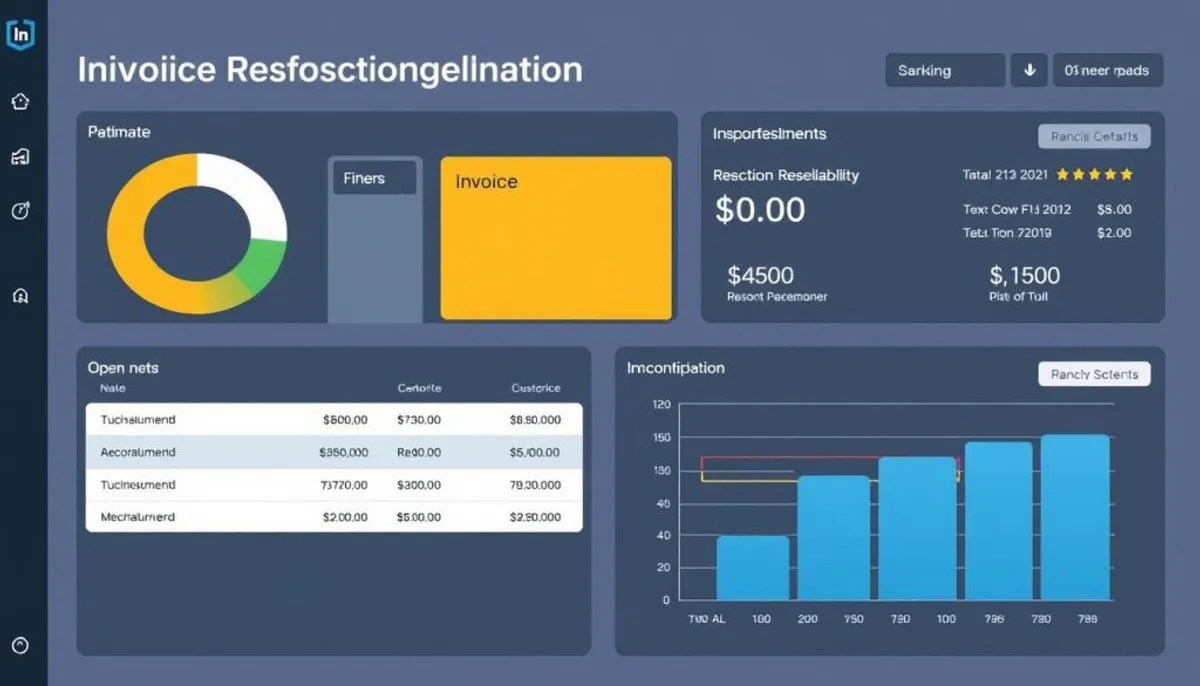
Mastering invoice reconciliation requires a strategic approach that combines technical skills with relationship management. The goal is to streamline financial processes while maintaining positive customer interactions.
Running Invoice Aging Reports Effectively
Invoice aging reports in Oracle R12 provide crucial insights into outstanding receivables. These reports categorize unpaid invoices by their duration:
- Current invoices
- 1-30 days past due
- 31-60 days past due
- 61-90 days past due
- 90+ days past due
To access these reports, navigate to Receivables > Reports > Aging. Select key parameters such as:
- Date range
- Customer selection
- Aging bucket definitions
- Currency
- Sort order
Building Strong Client Relationships During Collections
Successful collections balance financial goals with customer relationship management. Start with these relationship-focused strategies:
- Assume positive intent from customers
- Communicate promptly about overdue invoices
- Use professional, respectful language
- Offer flexible payment solutions
- Document all communication in R12
Effective invoice reconciliation hinges on understanding that financial processes ultimately concern maintaining trust with customers. Partnership preservation remains central to successful collections and long-term business relationships.
Conclusion
Mastering unpaid invoice management in Oracle R12 represents a critical skill for businesses seeking financial efficiency. Our exploration of technical skills and strategic approaches has revealed powerful techniques for navigating receivables challenges. From querying invoices to implementing sophisticated collection strategies, organizations can now approach outstanding payments with precision and professionalism.
The key to successful receivables management lies in balancing technical capabilities with relationship-focused collection practices. Modern solutions like unpaid-invoices.com offer innovative approaches that automate collection workflows while maintaining positive customer interactions. By leveraging Oracle R12’s robust features and cloud-based technologies, businesses can transform their approach to managing unpaid invoices.
Strategic next steps include auditing your current R12 system configuration and training teams on advanced query techniques. Implementing consistent aging report processes creates foundation for improvement. Embracing automation platforms can significantly reduce manual collection efforts, improve cash flow, and minimize bad debt write-offs.
The goal is creating a proactive, efficient receivables management process that supports sustainable business growth. Your organization now has the tools to revolutionize unpaid invoice management. With the right combination of technical expertise, strategic thinking, and relationship-focused approaches, you can turn challenging collection processes into opportunities.
FAQ
What exactly are unpaid invoices in Oracle R12?
Unpaid invoices in Oracle R12 are outstanding bills that customers have not yet settled. These invoices represent money owed to your organization. They are tracked within the Oracle Receivables module, showing the total amount due and the duration of the outstanding balance.
How can I quickly query unpaid invoices in R12?
To query unpaid invoices in R12, you can use the Transactions Workbench or run an Invoice Aging Report. Navigate to the Receivables module and select the Transactions Workbench. Apply filters for outstanding balances, specific date ranges, or customer segments to refine your search.
What impact do unpaid invoices have on my company’s cash flow?
Unpaid invoices can significantly disrupt cash flow by delaying expected revenue. They tie up working capital, potentially causing challenges in meeting operational expenses and paying suppliers. Regularly monitoring and resolving these invoices is crucial for maintaining financial health and funding growth initiatives.
Can I set up automatic reminders for unpaid invoices in R12?
Oracle R12 allows you to configure dunning procedures that automatically generate reminder letters, emails, or statements for customers. You can customize these reminders based on invoice age and outstanding amount. This automation helps maintain consistent communication with customers regarding their outstanding balances.
How do I handle invoices that are unlikely to be collected?
For potentially uncollectible invoices, Oracle R12 provides invoice reduction events and revenue write-off options. You can create reduction events to adjust the outstanding balance accordingly. If an invoice is determined to be unrecoverable, you can write it off while maintaining accurate financial records.
What reports can help me track unpaid invoices?
The Invoice Aging Report is the primary tool for tracking unpaid invoices in Oracle R12. It categorizes outstanding invoices by age brackets, such as 30, 60, and 90 days. This helps you identify which invoices need immediate attention and assess overall receivables performance effectively.
How can I place a hold on an invoice in R12?
In Oracle R12, you can place a payment hold on an invoice through the Transactions Workbench. This prevents further collection actions on that specific invoice. Use this feature when resolving disputes, awaiting additional information, or managing complex billing scenarios that require temporary suspension.
What best practices should I follow for managing unpaid invoices?
Regularly run aging reports to monitor outstanding balances and set clear payment terms with customers. Implement consistent follow-up procedures and maintain open communication channels with customers regarding their accounts. Leverage R12’s automation features for efficiency and promptly address any discrepancies or disputes that arise.