
Running a business means dealing with the challenging task of managing outstanding invoices. Many entrepreneurs struggle with late payments that can seriously impact cash flow and business growth. The process of chase an invoice doesn’t have to be a nightmare. With the right strategies, you can streamline payment collection and maintain healthy client relationships.
Unpaid invoices represent more than just missed payments. They’re potential roadblocks to your business’s financial health. Small businesses often lose thousands of dollars annually due to ineffective invoice management. Modern tools and proactive approaches can transform how you handle receivables.
This guide will walk you through proven techniques for managing outstanding invoices effectively. From setting clear payment terms to leveraging technology, you’ll discover practical strategies. These methods can help you get paid faster and reduce financial stress.
Key Takeaways
- Proactive invoice management prevents cash flow disruptions
- Clear payment terms reduce payment delays
- Technology can automate invoice follow-up processes
- Maintaining professional communication is crucial
- Systematic approach leads to faster payment collection
Why Chasing Unpaid Invoices Is Critical for Business Success
Unpaid invoices can create significant challenges for businesses of all sizes. Effective invoice collection strategies are essential for maintaining financial health and ensuring stable cash flow. Delayed customer payments trigger ripple effects that can devastate a company’s financial stability.
The Impact of Outstanding Invoices on Cash Flow
Cash flow disruptions from unpaid invoices can cripple business operations. Small businesses face particular vulnerability to payment delays.
Consider these critical impacts:
- Difficulty covering operational expenses
- Potential inability to pay employees
- Reduced capacity for business investment
- Increased reliance on short-term financing
How Unpaid Invoices Lead to Bad Debt Accumulation
The longer an invoice remains unpaid, the less likely it is to be collected. Tips for chasing overdue invoices become crucial in preventing bad debt accumulation. Businesses can use strategic approaches to minimize financial risks.
| Invoice Age | Collection Probability |
|---|---|
| 0-30 days | 90% |
| 31-60 days | 70% |
| 61-90 days | 50% |
| 90+ days | 30% |
Protecting Customer Relationships While Collecting Payments
Professional invoice collection requires a delicate balance. Businesses must maintain positive client relationships while firmly pursuing outstanding payments. Implementing clear communication and systematic follow-up processes can help preserve trust.
These processes also improve payment rates significantly:
- Communicate payment expectations clearly
- Send timely, professional reminders
- Offer flexible payment options
- Maintain a respectful tone in all communications
Prevention Is Better Than Collection: Setting Up Your Invoice System
Think of your invoicing system like a well-oiled machine. The best practices for invoicing start with prevention, not collection. Maintaining a car prevents costly repairs, just as establishing a robust invoice system saves your business from financial headaches.
Implementing best practices for invoicing requires a proactive approach. Businesses that focus on prevention can dramatically reduce payment delays and protect their cash flow. Strategic preparation makes all the difference in maintaining healthy financial relationships.
- Create clear, professional invoice templates
- Establish transparent payment expectations
- Use automated invoicing tools
- Implement digital payment platforms
Modern technology has transformed invoice management. Platforms like Unpaid-Invoices.com offer automated systems that streamline the entire invoicing process. These tools help businesses maintain professional communication while reducing the manual work of tracking payments.
The key to successful invoicing is setting up systems that make it easy for clients to pay. By focusing on prevention, you’re not just managing invoices—you’re building stronger, more reliable business relationships.
Establish Clear Payment Terms from Day One
Creating robust payment terms is a critical foundation for successful invoicing. Clear expectations protect both your business and your clients from potential conflicts. Defining precise payment parameters upfront minimizes disputes significantly. This approach ensures smooth financial transactions throughout your business relationship.
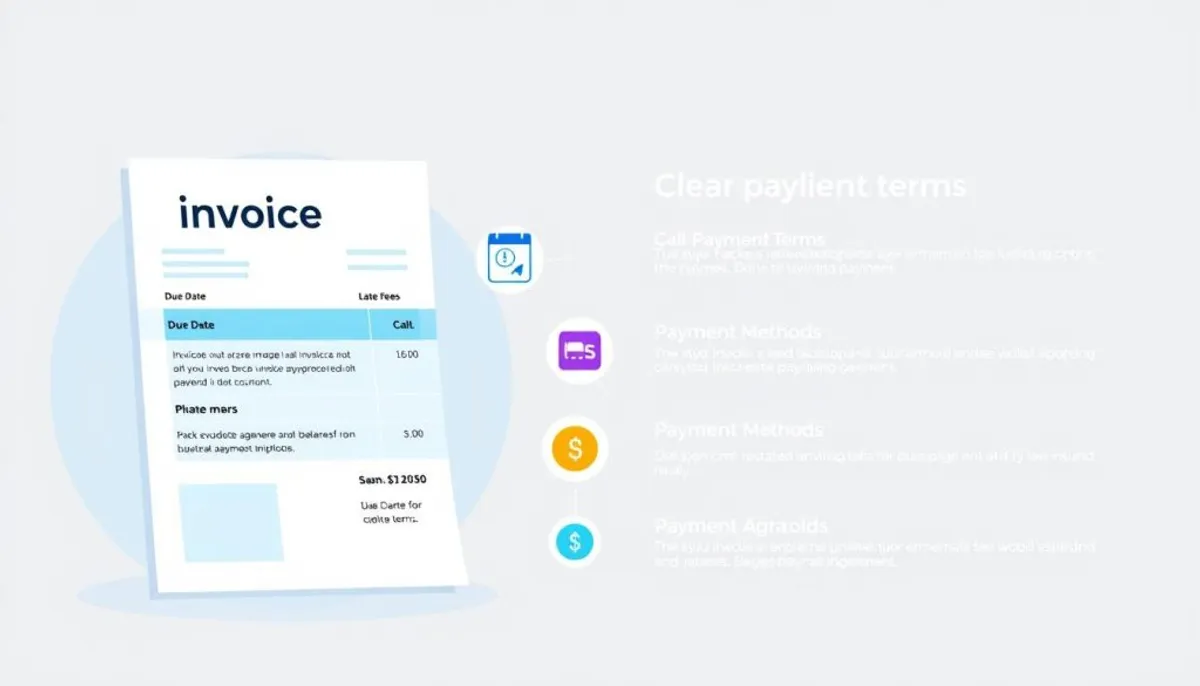
Implementing comprehensive payment terms requires strategic planning and careful attention to detail. Businesses must craft agreements that are both professional and protective.
What to Include in Your Payment Terms
Your payment terms should comprehensively outline key financial expectations:
- Exact payment due dates
- Accepted payment methods
- Late payment penalties
- Dispute resolution procedures
| Term Type | Recommended Practice |
|---|---|
| Payment Deadline | Specify exact date (Net 30, Net 60) |
| Payment Methods | Multiple options (Credit card, bank transfer, digital wallets) |
| Late Fees | Clear percentage or flat rate penalty |
Adjusting Terms Based on Customer Risk Assessment
Risk management is crucial in effective invoicing strategies. Different clients require different approaches:
- New clients: Request upfront deposits
- High-risk clients: Immediate payment requirements
- Established clients: Flexible net terms
Pro tip: Regularly review customer payment histories and adjust terms accordingly to maintain financial health.
Send Proactive Payment Reminders Before the Due Date
Mastering how to follow up on an unpaid invoice starts well before the actual due date. Proactive payment reminders are a powerful tool that can dramatically improve your cash flow. These reminders also help maintain positive client relationships and prevent future payment issues.
The key to successful invoice management is implementing a strategic reminder system. Following up on an unpaid invoice early prevents potential payment delays. It also demonstrates professional courtesy and keeps communication channels open with clients.
- Send reminders 5-7 days before the due date
- Use a friendly, helpful tone in communication
- Include specific invoice details in each reminder
- Offer multiple payment method options
Crafting the perfect reminder requires a delicate balance between clarity and professionalism. Your message should be clear and professional without feeling aggressive or pushy. A sample reminder might look like: “Hello [Client Name], just a friendly heads-up that Invoice #12345 for $1,500 is approaching its payment deadline on [Date].”
Automation can be a game-changer in how to follow up on an unpaid invoice effectively. Digital platforms like Unpaid-Invoices.com offer automated reminder systems that handle these communications seamlessly. These systems save you time and reduce administrative burden significantly.
By implementing proactive reminders, businesses can significantly reduce overdue invoices. This approach maintains smoother financial operations and improves overall cash flow management.
How to Chase an Invoice: Effective Follow-Up Strategies
Tracking down unpaid invoices requires a strategic approach. Successful businesses understand that effective invoice chasing techniques are crucial for maintaining healthy cash flow. The process of chase an invoice isn’t about aggressive collection but smart, systematic follow-up.
Developing a structured follow-up plan helps businesses recover outstanding payments while preserving professional relationships. The key is consistency and clear communication.
Creating a Regular Follow-Up Schedule
A well-planned follow-up strategy can significantly improve payment recovery. Here’s a recommended timeline for chasing invoices:
- Day 0 (Due Date): Send a friendly payment reminder
- Day 7: First overdue notice with polite but clear language
- Day 14: Second notice highlighting potential late fees
- Day 21-30: Personal phone call follow-up
- Day 30+: Consider formal escalation steps
Leveraging Multiple Communication Channels
Diversifying communication methods increases the likelihood of invoice collection. Different channels serve unique purposes in effective invoice chasing techniques.
| Communication Channel | Best Practices | Effectiveness |
|---|---|---|
| Clear subject lines, concise messaging | High documentation, low intrusion | |
| Phone Call | Professional tone, prepared details | Personal interaction, immediate response |
| SMS | Brief reminders, payment links | Quick, direct communication |
| Registered Mail | Formal notices, legal documentation | Signals serious intent |
Pro tip: Always maintain a professional and understanding approach. Most late payments result from administrative oversights or temporary cash flow challenges.
Offering Flexible Payment Options and Plans
Chasing payments online doesn’t require inflexibility. Smart businesses recognize that adaptable approaches dramatically boost collection rates. Multiple payment options eliminate obstacles preventing clients from settling invoices promptly.
Consider these strategic approaches to flexible payment solutions:
- Diversify payment methods to reduce friction
- Create customized payment plans for different client needs
- Implement digital payment technologies
Digital platforms like Unpaid-Invoices.com make chasing payments online seamless. They offer tools to:
- Generate payment links directly in invoices
- Set up automatic payment reminders
- Create installment plan options
Designing payment flexibility requires focus on:
- Customer convenience – more payment channels mean faster collections
- Professional presentation – clear terms build trust
- Strategic implementation – not all clients deserve identical plans
Embracing flexible payment strategies transforms invoice collection from confrontation into collaboration. Clients value understanding approaches helping them manage financial challenges. You receive timely compensation while maintaining positive business relationships. This balanced method strengthens long-term client partnerships.
When to Implement Late Payment Fees and Legal Action
Navigating the challenging waters of chasing overdue invoices requires a strategic approach. Most businesses aim to maintain positive customer relationships. However, sometimes more serious measures become necessary to protect your financial interests.
Implementing late payment fees serves two critical purposes in your invoice collection strategy:
- Compensate for the time and resources spent tracking unpaid invoices
- Create a financial incentive for customers to pay on time
Setting Up Professional Late Fee Policies
Crafting an effective late fee policy demands careful consideration. Fees should be meaningful yet fair. Common approaches include:
- Flat fee: $25 for payments past the due date
- Percentage-based fee: 1.5% monthly on the outstanding balance
Key recommendations for implementing late fees include:
- Clearly state fees in original payment terms
- Communicate professionally when applying charges
- Consider waiving fees for first-time late payments from reliable clients
Understanding When Legal Action Becomes Necessary
Legal action represents the final step in chasing overdue invoices. Before pursuing this path, businesses should:
- Document all communication attempts
- Calculate total collection costs versus invoice amount
- Assess the potential for successful payment recovery
Unpaid-invoices.com offers systematic escalation tools that help businesses resolve payment issues before legal action becomes inevitable. By implementing proactive strategies, you can minimize costly and time-consuming legal proceedings.
Leveraging Technology and Automation for Invoice Management
Modern businesses are transforming their financial workflows through powerful invoice tracking tools. Manual spreadsheets and endless paperwork have become obsolete. Technology now offers sophisticated solutions that streamline invoice management with unprecedented efficiency.
Automation brings critical advantages to financial operations. Invoice tracking tools provide businesses with remarkable capabilities that simplify complex payment processes:
- Real-time invoice status monitoring
- Automated payment reminders
- Customizable communication channels
- Integrated payment processing
- Comprehensive financial reporting
Advanced invoice tracking tools eliminate the traditional stress associated with payment collection. Businesses can now focus on growth while technology handles the repetitive tasks of invoicing and follow-up. These intelligent systems generate professional invoices and send timely reminders. They also provide detailed analytics about payment patterns.
The right invoice tracking tools can dramatically reduce administrative burden and minimize human error. They improve cash flow management significantly. Platforms that integrate seamlessly with existing accounting systems create a more responsive financial infrastructure.
Key features to consider when choosing invoice tracking tools include:
- Customizable reminder templates
- Multi-channel communication options
- Detailed reporting capabilities
- User-friendly interface
- Scalable pricing models
Technological solutions transform invoice management from a challenging task into a strategic advantage. This positions businesses for sustainable financial success.
How Unpaid-Invoices.com Streamlines Your Invoice Collection Process
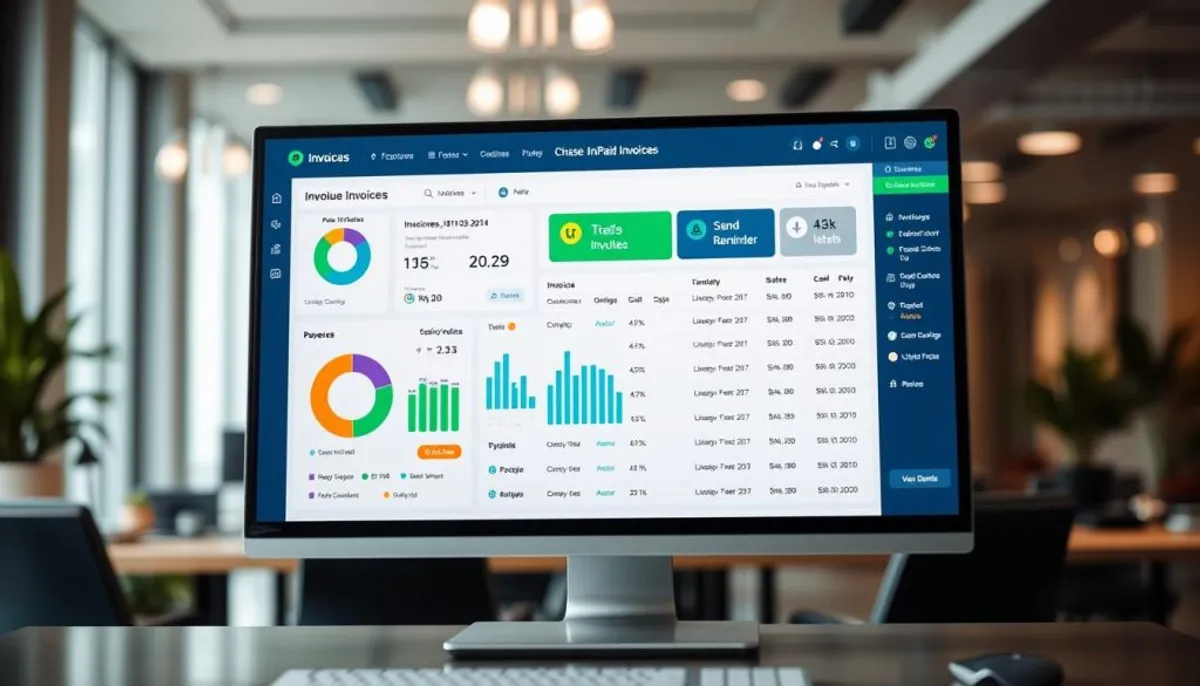
Managing unpaid invoices can be a challenging task for businesses of all sizes. Unpaid-Invoices.com offers a comprehensive solution for chasing payments online. The platform transforms the way companies handle their accounts receivable.
Automated Reminders that Work
The platform revolutionizes invoice tracking tools by providing intelligent automation. This takes the stress out of payment collection. Key features include:
- Smart reminder scheduling across multiple communication channels
- Customizable message templates maintaining professional tone
- Intelligent escalation of payment requests
Maintaining Positive Client Relationships
Unlike traditional collection methods, Unpaid-Invoices.com prioritizes preserving client connections. The platform ensures:
- Respectful, transparent communication
- Flexible payment arrangement options
- Consistent brand messaging
A Cost-Effective Alternative to Collection Agencies
Businesses can save significant resources by using this innovative invoice tracking tool. The platform offers:
| Traditional Collection | Unpaid-Invoices.com |
|---|---|
| 25-50% fee on collected amounts | Flat subscription rate |
| Potential relationship damage | Relationship-preserving approach |
| Manual follow-up required | 24/7 automated chasing |
Unpaid-Invoices.com streamlines the payment collection process for businesses everywhere. The platform reduces administrative burden while improving cash flow effortlessly.
Conclusion
Invoice collection doesn’t have to be a stressful challenge for businesses. The strategies discussed provide a roadmap for controlling accounts receivable and maintaining healthy cash flow. Implementing proactive invoice collection strategies minimizes payment delays and reduces financial strain from unpaid invoices.
Success depends on prevention and systematic approaches. Clear payment terms, proactive communication, and flexible payment options create foundations for timely collections. Technology streamlines this process, allowing businesses to automate repetitive tasks and focus on core operations.
Unpaid-invoices.com offers comprehensive solutions for businesses seeking to revolutionize invoice management. The platform provides automated reminders, escalation features, and tools that maintain positive client relationships while ensuring consistent payment collection. Leveraging such technologies transforms approaches to accounts receivable.
Review your current invoice processes and implement the strategies discussed. Consider automation tools that simplify collection efforts. The right approach transforms invoice collection from a dreaded task into smooth, efficient business operations.
FAQ
How long should I wait before following up on an unpaid invoice?
Send a friendly reminder a few days before the due date. Follow up immediately on the due date if payment hasn’t been received. Create a systematic follow-up schedule that starts with gentle reminders and becomes progressively firmer. Typically, escalate your communications every 7-14 days.
What’s the best way to ask a client about an overdue invoice without damaging our relationship?
Maintain a professional, helpful tone throughout all communications. Start with a friendly reminder that assumes the best—they might have simply overlooked the invoice. Use language like, “I wanted to check in about Invoice #12345” rather than accusatory statements. Offer multiple payment options and be open to discussing any challenges they might be experiencing.
How can I prevent invoices from becoming overdue in the first place?
Implement clear payment terms upfront and send proactive reminders before the due date. Offer multiple payment methods and use automated invoicing tools to streamline the process. Establish clear expectations from the beginning, including specific due dates and accepted payment methods. Communicate any late payment penalties before work begins.
What should I do if a client consistently pays late?
Have an honest conversation about payment expectations with the client. Consider adjusting payment terms for that client—such as requiring a deposit or shortening payment windows. You might also implement late fees to encourage timely payment. If problems persist, evaluate whether continuing to work with this client makes financial sense.
Are late fees an effective way to encourage timely payment?
Late fees can be effective when implemented correctly and communicated clearly. They should be clearly stated in your original payment terms and reasonable in amount. Apply them consistently across all clients to maintain fairness. The goal is to incentivize timely payment, not to punish clients. A typical approach is a modest percentage (1.5-2%) of the outstanding balance per month.
How can technology help me manage invoice collection?
Modern invoice management tools can automate reminders and track payment status efficiently. These systems send multi-channel communications and provide real-time reporting on outstanding invoices. Technology reduces manual work and ensures consistent follow-up with clients. It helps you maintain professional communication about outstanding invoices without constant manual intervention.
When should I consider taking legal action for an unpaid invoice?
Consider legal action as a last resort for significant unpaid amounts. Ensure you have clear documentation of the work performed before proceeding. Calculate the potential cost of legal action versus the invoice amount first. For smaller invoices, it may be more cost-effective to write off the debt.
How can I offer payment flexibility without appearing weak?
Offering payment plans or multiple payment options demonstrates professionalism, not weakness. Provide structured options like breaking a large invoice into manageable installments. You can also accept partial payments to ease the client’s financial burden. Always get any alternative payment arrangements in writing and set clear expectations.
What’s the most important thing to remember about invoice collection?
Maintain professionalism and clear communication throughout the entire collection process. The goal is to get paid while preserving the business relationship for future opportunities. Be consistent in your approach and use a friendly but firm tone. Leverage technology to make the process as smooth and automated as possible.