Running a business means staying on top of financial details. Managing invoice payments is crucial for maintaining healthy cash flow. An invoice overdue date calculator helps professionals track payment deadlines with precision and ease.
This powerful tool simplifies the complex task of determining when invoices become past due. It saves time and reduces accounting stress for business owners.

The invoice due date calculator eliminates guesswork by quickly computing payment timelines based on specific invoice terms. Small business owners, freelancers, and accounting teams can instantly calculate exact payment deadlines without manual computations. Users input their invoice date and payment terms to receive accurate overdue date information with just a few clicks.
Unpaid-Invoices.com provides a streamlined solution for managing financial tracking. Our invoice overdue date calculator offers a user-friendly approach to understanding payment schedules. It helps businesses maintain clear financial records and improve overall cash flow management.
Key Takeaways
- Instantly calculate invoice payment deadlines
- Reduce manual accounting errors
- Improve cash flow tracking
- Free tool for businesses of all sizes
- Simplify financial management processes
Understanding Invoice Payment Terms and Due Dates
Navigating invoice payment terms can be challenging for businesses. An invoice payment terms calculator helps streamline this process by breaking down critical payment details. Understanding these terms is crucial for maintaining healthy financial relationships with vendors and clients.
Payment terms are agreed-upon conditions that specify when a payment is due after an invoice is issued. These terms are typically written as net payment terms, which indicate the number of days a customer has to pay.
What Are Net Payment Terms?
Net payment terms represent the total amount due without any deductions. The number following “net” indicates the exact number of days allowed for payment.
- Net 15: Payment is due within 15 days of invoice date
- Net 30: Standard payment term of 30 days
- Net 60: Extended payment period of 60 days
Common Payment Terms Explained
Different businesses use varying payment terms based on their industry and relationship. An invoice payment terms calculator can help you quickly determine exact due dates.
- Net 15: Typically used for smaller businesses or time-sensitive services
- Net 30: The most common payment term across various industries
- Net 60: Often used for larger projects or established business relationships
Always check the specific terms on each invoice. If the payment terms are unclear, contact the vendor directly to confirm the exact payment deadline.
How to Use an Invoice Overdue Date Calculator
Understanding how to use an invoice due date calculator can streamline your financial management. These digital tools prevent costly payment delays. They simplify tracking invoice payment deadlines with just a few simple steps.
To effectively use an invoice overdue date calculator, follow this straightforward process:
- Locate Your Invoice Date: Find the original invoice issue date, typically located at the top of your invoice document
- Select Payment Terms: Choose your specific payment terms (Net 15, Net 30, Net 60)
- Click Calculate: Press the calculation button to generate your precise due date
The invoice due date calculator eliminates manual date tracking. This reduces the risk of human error. It automatically computes your payment deadline based on invoice date and selected terms.
Pro tips for using an invoice overdue date calculator accurately:
- Double-check the invoice date to ensure correct calculations
- Verify payment terms match your vendor agreement
- Consider business days versus calendar days in your calculations
Many invoice overdue date calculator tools offer custom term inputs for unique situations. This flexibility ensures you can accurately track payments for unique billing arrangements.
Why Calculating Invoice Due Dates Matters for Your Business
Managing business finances requires precision. An overdue invoice calculator becomes a critical tool for success. Tracking invoice payment dates maintains the financial health of your entire organization.
Businesses live and die by their cash flow. An accurate overdue invoice calculator helps entrepreneurs understand exactly when money moves in and out. This strategic approach prevents unexpected financial surprises that could derail growth plans.
Impact on Cash Flow Management
Cash flow management relies on knowing precise payment timelines. An effective overdue invoice calculator provides crucial insights:
- Predict incoming revenue with accuracy
- Identify potential cash shortfalls before they become problems
- Plan major business expenses strategically
- Avoid unexpected financial gaps
Maintaining Healthy Vendor Relationships
Consistent and timely payments build trust with vendors. Using an overdue invoice calculator helps businesses:
- Track payment deadlines consistently
- Communicate proactively about potential delays
- Preserve professional relationships
- Potentially negotiate better future terms
Proactive financial management transforms how businesses operate, turning potential challenges into opportunities for growth and stability.
| Financial Tracking Method | Accuracy | Time Saved |
|---|---|---|
| Manual Tracking | 60-70% | Limited |
| Overdue Invoice Calculator | 95-100% | Significant |
The Difference Between Invoice Due Date and Overdue Date
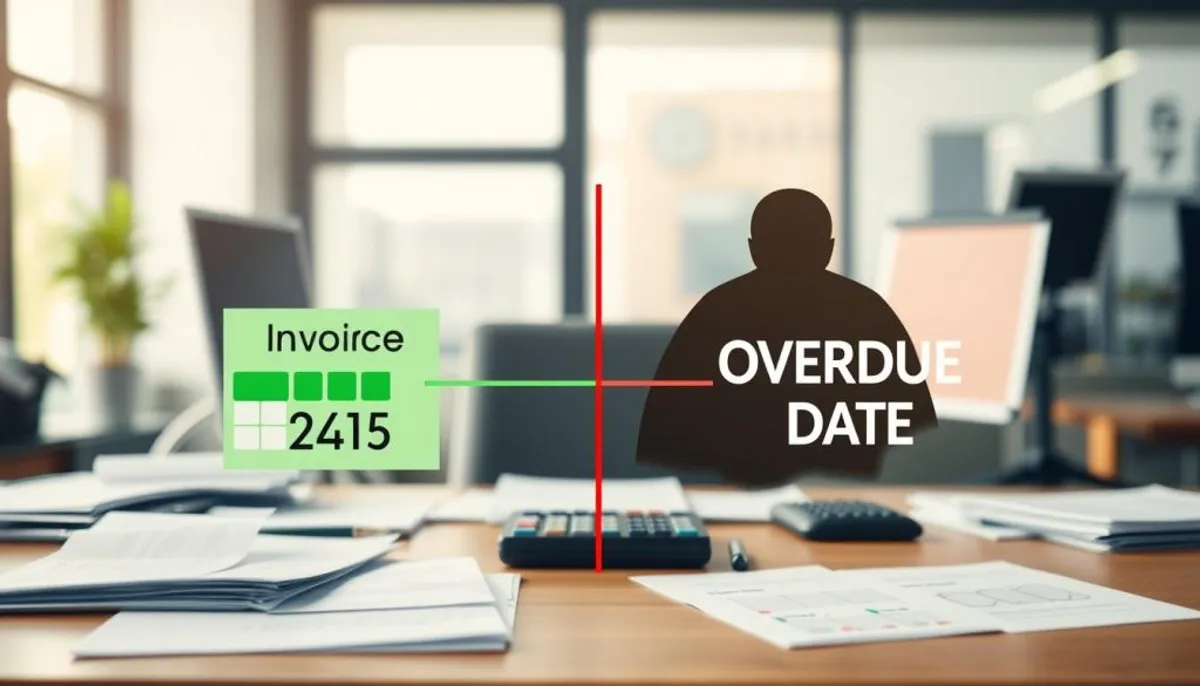
Understanding the distinction between an invoice due date and an overdue date is essential for smooth financial operations. An overdue invoice calculator helps businesses track these critical financial milestones with precision.
The invoice due date represents the final day payment can be made within agreed contractual terms. This deadline marks when full payment is expected to be received. The overdue date begins immediately after the due date passes.
At that moment, the invoice transitions from current to late status. This shift triggers different collection protocols and potential late fees.
- Due Date: Last acceptable day for payment
- Overdue Date: First day after payment deadline
- Grace Period: Optional buffer some businesses allow
An overdue invoice calculator becomes invaluable for tracking these critical dates automatically. It helps businesses maintain professional communication by identifying exactly when an invoice shifts status. Automated tracking reduces manual errors and ensures timely follow-up.
Different industries and companies may have varying approaches to defining overdue periods. Some implement strict policies, while others offer short grace periods. The key is establishing clear expectations with clients from the beginning.
By correctly managing invoice due dates, businesses can optimize cash flow and reduce payment delays. This practice also helps maintain healthy vendor relationships and professional credibility.
Calculate Late Payment Fees and Interest on Overdue Invoices
Late payments can significantly impact your business’s cash flow. Understanding how to calculate late payment fees helps protect your financial interests while maintaining professional relationships with clients.
An invoice late fee calculator can simplify this complex process and ensure fair, consistent billing practices. Businesses typically implement late fees to compensate for delayed payments and encourage timely invoicing.
The key is to create a transparent and reasonable approach that motivates clients to pay promptly.
Understanding Late Payment Interest Rates
Late payment interest rates vary across industries, but most follow these standard practices:
- Fixed percentage fees (1.5% – 2% per month)
- Simple interest calculations
- Tiered fee structures
How to Calculate Late Fees on Unpaid Invoices
Using a late payment calculator helps streamline the fee assessment process. Here’s a straightforward method to calculate late payment fees:
- Identify original invoice amount
- Determine days overdue
- Apply predetermined late fee percentage
- Add calculated late fee to original amount
For precise calculations, consider these example rates:
| Days Overdue | Late Fee Percentage | Calculation Method |
|---|---|---|
| 0-30 days | 1.5% | Simple interest |
| 31-60 days | 2.0% | Compounded monthly |
| 61+ days | 2.5% | Escalating fees |
An invoice late fee calculator automates these calculations, reducing manual errors and saving valuable time. Remember to clearly communicate your late payment terms upfront to maintain transparency with clients.
Common Challenges When Managing Invoice Payment Deadlines
Managing invoice payment deadlines can feel like navigating a complex financial maze. Business owners frequently struggle with tracking multiple invoices across different clients and vendors. Each invoice comes with unique payment terms that require careful monitoring. An invoice overdue date calculator becomes a critical tool in this intricate process.
Small businesses face several key challenges when managing invoice payments:
- Tracking invoices with varying payment terms (Net 15, Net 30, custom schedules)
- Remembering follow-up dates amid numerous business priorities
- Handling consistently late-paying clients
- Managing cash flow gaps between receivables and payables
During high-growth stages, these challenges intensify significantly. Scaling businesses often experience increased complexity in financial tracking. The overdue invoice calculator can help streamline this process effectively. It reduces administrative burden and helps prevent potential revenue gaps.
Emotional and practical challenges compound the difficulty:
- Stress from uncertain cash flow
- Time drain from collection efforts
- Awkwardness in requesting overdue payments
- Potential strain on client relationships
Modern financial tools like invoice overdue date calculators provide practical solutions. These digital assistants help businesses maintain financial health through automation. They send timely reminders and provide clear payment deadline insights.
How Invoice Overdue Date Calculator Tools Simplify Your Accounting
Managing invoices can quickly become overwhelming as your business grows. An invoice overdue date calculator transforms complex financial tracking into a streamlined, efficient process. This tool saves time and reduces stress for business owners.
Automating Payment Tracking
Small businesses often struggle with manual invoice management. An invoice overdue date calculator eliminates tedious tracking by providing instant insights into payment statuses.
These powerful tools offer several key benefits:
- Real-time tracking of all outstanding invoices
- Automatic alerts for approaching due dates
- Instant identification of overdue payments
- Comprehensive dashboard views
Reducing Manual Calculation Errors
Manual invoice tracking is prone to human error. An invoice overdue date calculator eliminates calculation mistakes by providing precision and consistency.
Automated tools help businesses:
- Eliminate date counting errors
- Prevent missed payment deadlines
- Generate accurate financial reports
- Reduce administrative workload
Advanced calculation tools transform financial management from a time-consuming task to a seamless, automated process. Businesses gain efficiency and accuracy through smart automation.
What to Do When Your Invoices Become Overdue

Dealing with overdue invoices creates stress for business owners everywhere. Your overdue invoice calculator reveals unpaid bills that demand strategic, professional action. Taking the right steps protects your cash flow and maintains client relationships.
Here’s a systematic approach to managing overdue invoices:
- Verify Invoice Receipt
- Confirm the client actually received the invoice
- Check for potential communication breakdowns
- Send Friendly Reminders
- Start with a polite initial reminder
- Use clear, non-confrontational language
- Escalate Communication
- Follow up with a formal written notice
- Specify exact amount owed and original due date
Pro tip: Use your overdue invoice calculator to track payment timelines precisely and maintain professional communication.
Initial attempts sometimes fail to produce results. Consider these additional steps to recover your funds.
- Make a direct phone call
- Send a final formal notice
- Evaluate alternative collection methods
Traditional debt collection proves expensive and damages client relationships. Modern solutions like Unpaid-Invoices.com offer efficient, professional alternatives for managing overdue payments.
Unpaid-Invoices.com: A Better Alternative to Traditional Debt Collection
Managing overdue invoices creates significant headaches for businesses across all industries and sizes. The invoice overdue date calculator has transformed how companies track and collect unpaid accounts effectively. Unpaid-Invoices.com leads this transformation with innovative solutions designed for modern business needs.
Small businesses and freelancers frequently face cash flow disruptions from late payments. The overdue invoice calculator from Unpaid-Invoices.com delivers a comprehensive solution that removes payment-chasing stress. This platform helps businesses maintain steady revenue streams while preserving valuable client relationships.
How the Platform Streamlines Collections
Unpaid-Invoices.com simplifies the entire collections process through intelligent automation. Key features include:
- Automatic payment reminder scheduling
- Professional communication templates
- Multi-channel follow-up strategies
- Integrated payment collection options
Automated Reminders and Payment Collection
The platform’s intelligent system tracks invoice due dates using an advanced invoice overdue date calculator. It sends strategically timed reminders that maintain professionalism while increasing payment likelihood. These automated communications ensure consistent follow-up without requiring manual effort from your team.
Cost-Effective Solution for Managing Overdue Accounts
Unlike traditional collection agencies that charge hefty percentages, Unpaid-Invoices.com offers an affordable subscription model. Businesses recover more funds with minimal effort while preserving client relationships and ensuring timely payments. This approach maximizes revenue retention without damaging valuable business connections.
Transform your accounts receivable process and reclaim lost revenue with Unpaid-Invoices.com – the smart alternative to traditional debt collection.
Best Practices for Preventing Late Invoice Payments
Managing cash flow requires proactive strategies to minimize late payments. An invoice due date calculator can help with timing. Smart business practices form the foundation for preventing late payments.
Implementing effective payment prevention techniques can significantly reduce financial uncertainties. Consider these key approaches:
- Clearly communicate payment terms upfront in contracts and proposals
- Send invoices immediately after project completion
- Use a late payment calculator to establish fair penalty structures
- Provide multiple convenient payment methods
- Send friendly payment reminders before due dates
Effective communication plays a crucial role in timely payments. Create transparent and detailed invoices that include:
- Exact service descriptions
- Precise billing dates
- Specific payment terms
- Calculated due dates
Consider implementing incentives for early payment. A small discount can motivate clients to process invoices quickly. This approach improves your cash flow while providing value to customers.
| Strategy | Potential Impact |
|---|---|
| Upfront Communication | Reduces Payment Confusion |
| Multiple Payment Options | Increases Payment Convenience |
| Early Payment Incentives | Accelerates Cash Flow |
Consistent enforcement of payment policies reduces late payments dramatically. Automated invoicing systems streamline the entire process. Prevention remains more efficient than collection efforts.
Tools and Resources for Managing Invoice Payment Terms
Business owners face complex challenges when managing invoice payments. An effective invoice payment terms calculator can streamline financial processes and help maintain healthy cash flow. Modern entrepreneurs now have multiple digital tools to simplify invoice tracking and payment management.
- Invoice tracking software
- Payment terms calculators
- Automated reminder systems
- Cash flow forecasting platforms
Comparing Invoice Factoring and Payment Tracking Solutions
Businesses seeking financial flexibility can explore two primary strategies: invoice factoring and payment tracking. An invoice payment terms calculator helps determine optimal payment conditions. Meanwhile, tracking tools monitor invoice statuses effectively.
Invoice factoring provides immediate cash by selling outstanding invoices at a discount. Businesses receive approximately 70-90% of invoice value upfront. This option works best for companies experiencing significant cash flow gaps.
Payment tracking solutions like Unpaid-Invoices.com offer a more cost-effective approach. These platforms help calculate late payment fees automatically. They also send systematic reminders to clients, reducing collection time without substantial financial compromise.
Selecting the Right Financial Management Tools
Consider these factors when choosing invoice management resources:
- Integration capabilities with existing accounting systems
- Ease of use and user interface
- Cost-effectiveness
- Automated calculation features
By leveraging modern invoice payment terms calculators and tracking technologies, businesses can optimize their financial operations. These tools reduce administrative burden significantly. They also help maintain steady cash flow throughout business cycles.
Conclusion
Navigating complex invoice payments challenges businesses of all sizes. An invoice overdue date calculator provides a critical first step in understanding your accounts receivable landscape. By tracking payment terms and identifying potential late payments, you can maintain healthy cash flow proactively.
Unpaid-invoices.com emerges as the comprehensive solution for managing overdue invoices effectively. Beyond simple calculation, this platform automates the entire collection process seamlessly. The invoice overdue date calculator helps pinpoint exactly which invoices need attention right now.
The platform’s advanced tools ensure you recover funds efficiently and professionally every time. Small businesses no longer need to struggle with time-consuming payment tracking activities. Modern tools like the invoice overdue date calculator and Unpaid-invoices.com streamline your financial management operations.
The platform saves hours of administrative work while preserving valuable client relationships. It maximizes your revenue recovery potential through proven automated processes. Take control of your accounts receivable today with powerful, user-friendly tools.
Use the free invoice overdue date calculator to identify overdue invoices immediately. Then sign up for Unpaid-invoices.com to transform your payment collection strategy completely. Your business deserves prompt, reliable payment for the excellent services you provide daily.
FAQ
What is an invoice overdue date calculator?
An invoice overdue date calculator helps businesses determine when an invoice becomes late. It calculates the exact due date based on invoice date and payment terms. This tool eliminates manual date counting and tracks payment deadlines accurately.
How do I use an invoice overdue date calculator?
Enter the invoice date and select your payment terms, such as Net 30. The tool automatically calculates the exact due date and overdue status. This saves time and reduces manual calculation errors.
What are net payment terms?
Net payment terms represent the days a customer has to pay an invoice in full. For example, Net 30 means full payment is due within 30 days of invoice issue date. These terms establish clear payment expectations between businesses and clients.
How do late fees work on overdue invoices?
Late fees are typically calculated as a percentage of the total invoice amount. Rates often range from 1-2% per month on the outstanding balance. The specific rate should be clearly stated in your original invoice terms and comply with local regulations.
What should I do if an invoice becomes overdue?
Start with a friendly reminder email, then follow up with a more formal notice if payment isn’t received. Send clear communication stating the amount owed, original due date, and any applicable late fees.
If necessary, escalate to a phone call or consider using an automated collection service.
Can I prevent late invoice payments?
Best practices include clearly communicating payment terms upfront and sending invoices immediately. Offer multiple payment methods and provide early payment incentives. Use automated reminder systems to prompt timely payments.
What’s the difference between an invoice due date and an overdue date?
The invoice due date is the last day payment can be made within agreed terms. The overdue date is the day immediately following the due date when the invoice is considered late. This distinction is important for applying late fees and communication strategies.
How can I track multiple invoices with different payment terms?
Use an automated invoice tracking system or software that manages multiple payment terms simultaneously. Tools like unpaid-invoices.com help you track various invoices and send reminders. They also manage collection efforts across different clients and payment schedules.
Are online invoice calculators accurate?
Reputable online invoice calculators are typically very accurate, accounting for business days, weekends, and standard payment term calculations. However, always double-check critical dates and confirm any unique terms specific to your business or client agreements.
What are the most common payment terms?
The most common payment terms are Net 15, meaning payment due in 15 days. Net 30 is the industry standard, with payment due in 30 days. Net 60 requires payment in 60 days, often used for larger projects or established business relationships.