
Running a business involves managing numerous financial details. Understanding the outstanding invoice meaning is crucial for smooth operations. An outstanding invoice represents a bill for goods or services that is currently unpaid. The payment remains within the agreed payment period.
The invoice status definition shows an outstanding invoice signals that payment is due. The payment hasn’t reached its final deadline yet. The business has completed the work or delivered the product. The customer has a specific timeframe to settle the amount owed.
Tracking outstanding invoices helps businesses maintain healthy cash flow. It ensures timely compensation for their services. Knowing the nuanced details of these financial documents makes a significant difference. This knowledge supports managing your company’s financial health effectively.
Key Takeaways
- Outstanding invoices are unpaid bills within the agreed payment period
- They represent completed work awaiting payment
- Proper tracking helps maintain financial stability
- Understanding invoice status is crucial for business management
- Timely invoice management supports consistent cash flow
Outstanding Invoice Meaning: What It Really Means for Your Business
Navigating business finances can be tricky, especially with invoice terminology. An outstanding invoice represents a critical aspect of business cash flow. Every entrepreneur should comprehend this fundamental concept.
Understanding the outstanding invoice meaning helps businesses manage their financial operations more effectively. An outstanding invoice is essentially an unpaid bill explanation that indicates a payment is due. The payment remains within the agreed payment period.
Defining Outstanding Invoices in Simple Terms
Let’s break down what an outstanding invoice really means:
- A document detailing products or services provided
- Reflects a pending payment that hasn’t reached its deadline
- Represents money expected to be received by the business
Businesses encounter outstanding invoices as a normal part of their financial cycle. These invoices capture the transaction details between a company and its customers. They also outline payment expectations clearly.
How Outstanding Invoices Differ from Regular Invoices
The key differences between outstanding and regular invoices lie in their payment status:
| Invoice Type | Payment Status | Business Implication |
|---|---|---|
| Regular Invoice | Just sent | Awaiting initial payment |
| Outstanding Invoice | Within payment terms | Expected incoming revenue |
Understanding the outstanding invoice meaning allows businesses to track their financial health better. This knowledge helps maintain smooth cash flow management.
The Key Difference Between Outstanding and Overdue Invoices
Grasping the nuanced difference between outstanding and overdue invoices proves crucial for effective financial management. Many business professionals use these terms interchangeably, yet they represent distinct stages in the payment lifecycle.
An outstanding invoice refers to a billing document sent to a client but not yet reaching its payment deadline. This means the past due payment clarification is not yet applicable. The invoice remains within the agreed payment terms, giving the client time to process and submit payment.
- Outstanding invoices are currently active
- Payment deadline has not expired
- Client is still within the payment grace period
In contrast, an overdue invoice represents a billing document that has surpassed its payment deadline. The overdue invoice significance becomes critical at this point, as it signals a potential financial risk for your business.
An invoice becomes overdue and requires more proactive collection strategies to secure payment.
Key characteristics of an overdue invoice include:
- Payment deadline has passed
- Client has not fulfilled payment obligations
- Potential need for formal payment reminder
Recognizing the distinction between these invoice statuses helps businesses develop targeted approaches to payment collection. This understanding maintains healthy cash flow and strengthens financial operations.
Why Outstanding Invoices Matter to Your Cash Flow
Cash is the lifeblood of any business, especially for small enterprises operating on tight margins. Understanding the invoice status definition becomes critical when managing your company’s financial health. Unpaid invoices can create significant challenges that extend far beyond simple accounting paperwork.

The financial implications of outstanding invoices can be profound. Small businesses face unique pressures when payments remain unresolved. These unpaid bills directly impact operational capabilities in several measurable ways.
- Creates uncertainty in cash flow planning
- Disrupts critical business investments
- Limits potential for growth and expansion
- Increases administrative burden
The Impact on Small Business Operations
Unpaid invoices create real-world challenges for businesses across industries. A marketing agency might delay hiring needed talent due to payment delays. A product-based business could struggle to reorder essential inventory without incoming cash. Research indicates invoices are 60% less likely to be paid after 90 days, underscoring the urgency of proactive invoice management.
How Unpaid Bills Affect Business Growth
Chronic outstanding invoice problems can prevent businesses from scaling effectively. These unresolved payments often signal deeper issues requiring attention.
- Customer satisfaction challenges
- Potential pricing disagreements
- Underlying market fit concerns
Strategic invoice tracking transforms these potential obstacles into opportunities. Businesses can improve customer relationships while refining internal processes. This proactive approach creates sustainable growth pathways.
| Invoice Age | Payment Probability | Business Impact |
|---|---|---|
| 0-30 days | 85% | Low Risk |
| 31-60 days | 65% | Medium Risk |
| 61-90 days | 40% | High Risk |
| 90+ days | 15% | Critical Risk |
Understanding and actively managing invoice status definition helps businesses maintain financial stability. This awareness creates clear pathways for sustainable growth and operational excellence.
Common Reasons Invoices Remain Outstanding
Understanding root causes behind unpaid bills helps businesses develop more effective collection strategies. An unpaid bill explanation isn’t always about intentional non-payment. Legitimate reasons sometimes prevent timely invoice settlement.
Businesses encounter various scenarios leading to outstanding invoices. The unpaid bill explanation often reveals complex dynamics between companies and their clients.
- Simple Oversight: Busy clients might genuinely forget about invoices due to overflowing inboxes and numerous responsibilities
- Communication Breakdown: Emails may get lost in spam filters or sent to incorrect contacts
- Complex Approval Processes: Large organizations require multiple approvals before processing payments
- Financial Constraints: Clients experiencing temporary cash flow challenges
Some industries have longer payment cycles, contributing to delayed invoice settlements. Restaurants and retail businesses often struggle with administrative organization. This makes timely payments challenging for these sectors.
Identifying specific reasons behind unpaid invoices allows businesses to craft targeted communication strategies. A friendly reminder might resolve some situations. Others may require more nuanced approaches tailored to the client’s circumstances.
Understanding these common reasons enables businesses to approach outstanding invoices with empathy and strategic thinking. This ultimately improves payment collection processes and strengthens client relationships.
How to Track and Manage Outstanding Invoices Effectively
Managing outstanding invoice meaning requires a strategic approach combining organization, technology, and proactive communication. Small businesses often struggle with tracking unpaid invoices, significantly impacting cash flow and operational efficiency.
Successful invoice management starts with creating a systematic collection strategy. Key steps include categorizing clients, establishing follow-up timelines, and personalizing communication strategies.
- Categorize clients based on payment history
- Create a standardized follow-up timeline
- Personalize communication for different account types
- Set clear payment expectations upfront
Developing a Robust Collection Approach
The outstanding invoice meaning goes beyond just unpaid bills. It represents potential revenue waiting to be collected. Businesses should develop a flexible collection strategy that adapts to different client scenarios.
Consider implementing these tracking methods:
- Maintain a detailed spreadsheet of all outstanding invoices
- Track payment dates and client communication history
- Set automatic reminder notifications
- Use technology to streamline collection processes
Leveraging Technology for Invoice Management
Modern businesses can simplify outstanding invoice tracking through specialized platforms like unpaid-invoices.com. This solution helps users automate reminders, monitor payment status, and streamline the entire collection process effortlessly.
By embracing digital tools, companies can reduce manual administrative work. They maintain healthy cash flow while focusing on core business activities.
Best Practices for Writing Payment Reminder Emails
Crafting effective payment reminder emails proves crucial for maintaining healthy cash flow and preserving client relationships. Understanding the invoice status definition helps businesses communicate more precisely about outstanding payments.
Your approach makes a significant difference in getting invoices paid quickly. Research shows that strategic email communication dramatically improves collection rates.
Crafting Subject Lines That Get Opened
Subject lines are your first opportunity to capture attention. Consider these powerful strategies:
- Keep subject lines under 50 characters for maximum impact
- Include specific invoice details
- Use clear, direct language
Effective subject line examples include:
- Acme Corp: Invoice #1234 Due [Date]
- Payment Required: $2,500 Outstanding
- Quick Reminder: Payment Needed
Your subject line should immediately communicate the invoice status definition and prompt action. Avoid vague language that might get overlooked in crowded inboxes.
Key email components include a concise greeting, clear payment instructions, and a strong call-to-action. Maintain a professional yet friendly tone that encourages prompt payment without creating tension.
Proven Strategies to Collect Outstanding Payments Faster
Collecting past due payments presents significant challenges for businesses across all industries. Effective past due payment clarification demands a strategic approach balancing professionalism with customer relationship management.
Powerful strategies exist to accelerate payment collection and improve cash flow outcomes:
- Simplify Payment Options
- Offer multiple payment methods
- Use online payment portals
- Accept credit cards and digital transfers
- Create Financial Incentives
- Provide early payment discounts
- Implement clear late payment fees
- Design attractive reward programs
Automated reminder systems can dramatically improve payment collection rates for businesses. Platforms like unpaid-invoices.com help send professional, timely reminders without manual intervention.
Personal communication becomes crucial once emails fail to generate responses. A friendly phone call often resolves payment delays more effectively than repeated written notices.
Offering flexible payment plans for clients experiencing temporary financial challenges prevents complete payment defaults. This approach demonstrates understanding while securing eventual payment commitment.
The goal extends beyond collecting money to maintaining positive customer relationships during past due payment clarification.
When to Escalate: From Friendly Reminders to Collection Agencies
Dealing with overdue invoices demands a strategic approach that protects your bottom line. Small businesses frequently face unpaid invoice challenges that threaten cash flow. Understanding escalation timing can significantly impact your financial health and business sustainability.
The path to recovering outstanding payments involves several key stages:
- 30 days: Increase reminder frequency
- 60 days: Make direct phone calls
- 90 days: Consider serious collection measures
Understanding Your Legal Rights
Business owners possess specific legal protections for managing overdue invoices effectively. The law supports your right to pursue payment for completed work and services rendered. Several important considerations shape your collection strategy and approach.
- You can demand payment for satisfactory services
- Late fees are permitted if specified in original contracts
- US law allows invoice pursuit for up to six years
Traditional debt collection agencies charge hefty fees—typically 25-50% of recovered amounts. These aggressive tactics can permanently damage client relationships. Unpaid-invoices.com offers a smarter alternative with professional communication that preserves future business potential.
Strategic escalation balances firmness with professionalism throughout the recovery process. Exhaust all communication channels before resorting to legal action or aggressive measures. Automated reminder systems help recover funds without burning bridges with valuable clients.
How unpaid-invoices.com Simplifies Outstanding Invoice Management
Managing outstanding invoices can be a challenging task for businesses of all sizes. The process of tracking unpaid bills and collecting payments often consumes valuable time and resources. Unpaid-invoices.com emerges as a comprehensive solution to streamline the outstanding invoice meaning. It provides an efficient approach to managing unpaid bill explanations.
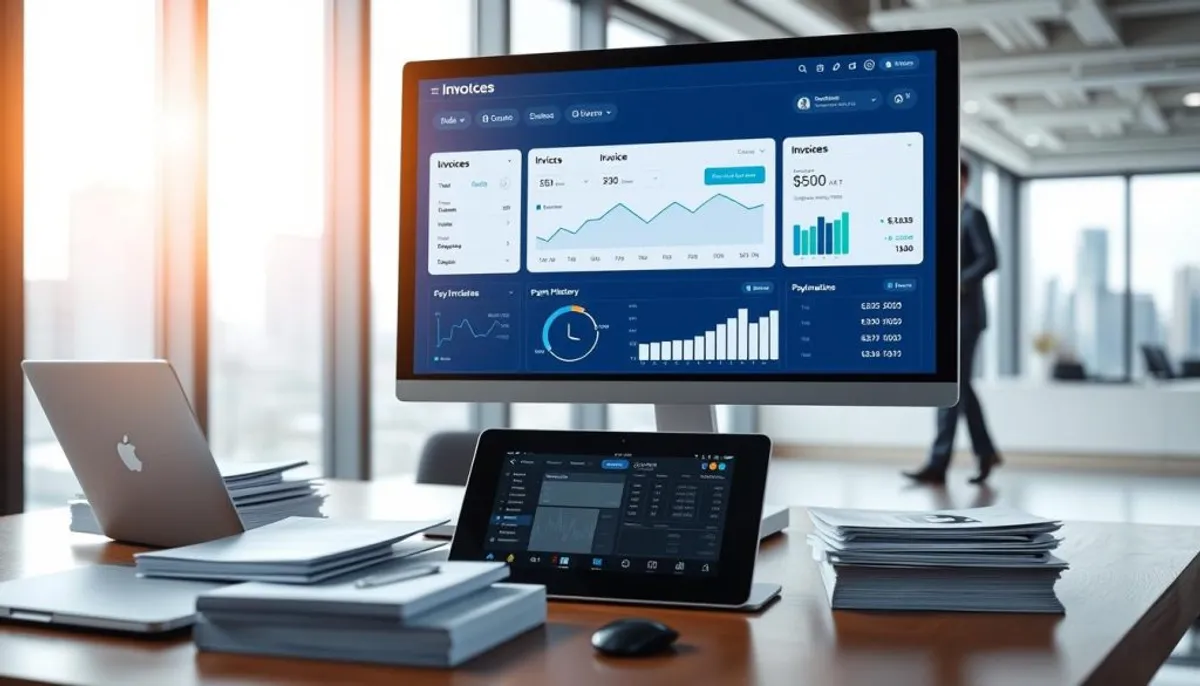
The platform offers a robust set of tools designed to transform how businesses handle their accounts receivable. By leveraging advanced technology, unpaid-invoices.com provides a strategic approach to managing outstanding invoices.
Automating Reminders and Payment Collection
Businesses can benefit from the platform’s powerful automation features, which include:
- Intelligent reminder scheduling
- Customizable communication templates
- Real-time payment tracking
- Prioritized invoice management
The automated system ensures that no invoice falls through the cracks. It sends professional reminders at optimal intervals. This approach helps maintain positive client relationships while improving collection rates.
Why It’s Better Than Traditional Debt Collectors
| Feature | Unpaid-invoices.com | Traditional Debt Collectors |
|---|---|---|
| Cost | Low-cost subscription | High percentage-based fees |
| Client Relationships | Preserves professional connections | Often damages business relationships |
| Intervention Timing | Early and proactive | Late-stage collection |
The platform stands out by providing a cost-effective and relationship-friendly alternative to traditional debt collection. It empowers businesses to take control of their outstanding invoices without resorting to aggressive collection tactics.
Unpaid-invoices.com transforms the unpaid bill explanation process. It offers a modern, efficient solution that saves time, preserves client relationships, and improves overall financial management.
Conclusion
Managing outstanding invoices doesn’t have to be a complex challenge for small business owners. Understanding the invoice status definition is crucial for maintaining healthy cash flow and sustainable business operations. The key lies in proactive tracking, clear communication, and leveraging modern technological solutions.
Unpaid-invoices.com emerges as a game-changing platform that simplifies the entire invoice management process. By automating reminders, tracking payment statuses, and providing strategic collection tools, businesses can dramatically reduce time spent chasing payments. This allows companies to focus more on growth and core operations.
Business success hinges on efficient financial management. With the right approach to tracking invoice status and implementing systematic collection strategies, entrepreneurs can transform their payment collection process. What was once a stressful task becomes a streamlined, predictable system.
Embracing digital tools like unpaid-invoices.com empowers business owners to take control of their financial health. These platforms work smarter, not harder, to improve your bottom line.
Your path to better cash flow starts with understanding and actively managing outstanding invoices. Don’t let unpaid bills slow down your business momentum. Take the first step toward more reliable revenue by exploring modern invoice management solutions.
FAQ: Understanding Outstanding Invoices
What exactly is an outstanding invoice?
An outstanding invoice is a bill sent to a client that remains unpaid. It stays within the payment terms and hasn’t reached its due date. Consider it a pending payment expected to be fulfilled within the agreed-upon timeframe.
How is an outstanding invoice different from an overdue invoice?
An outstanding invoice remains within its payment terms. An overdue invoice has passed its payment deadline. An invoice sent on January 1st with 30-day terms is “outstanding” until January 31st. It becomes “overdue” on February 1st if unpaid.
Why do invoices remain outstanding?
Multiple reasons exist, including client oversight and complex approval processes. Email communication issues, cash flow challenges, and potential service disputes play a role. Missing invoice details or different industry payment norms contribute as well. Understanding the specific reason helps develop an appropriate follow-up strategy.
How do outstanding invoices impact my business?
Outstanding invoices create cash flow uncertainty. They make planning for expenses like payroll, inventory, or equipment purchases difficult. They can prevent business growth and limit investment in new opportunities. Statistics show invoices become 60% less likely to be paid once they pass 90 days.
What are the best strategies for managing outstanding invoices?
Effective strategies include creating a systematic collection approach. Send timely reminders and offer multiple payment options. Implement early payment incentives and use automated tracking tools. Maintain clear, professional communication with clients.
When should I consider an invoice as a serious collection issue?
Consider escalating collection efforts after 30 days of being outstanding, with increased reminder frequency. After 60 days, begin more formal communication. After 90 days, you might need more assertive collection methods or professional collection services.
Are there tools to help manage outstanding invoices?
Modern invoicing platforms like unpaid-invoices.com offer automated tracking and reminder systems. They provide multiple payment integrations and systematic follow-up processes. These tools can significantly improve your invoice collection efficiency.
How can I improve my chances of getting paid for outstanding invoices?
Make payment easy by offering multiple payment methods. Send clear and timely reminders while maintaining professional communication. Offer early payment incentives to encourage prompt payment. Use technology to automate and streamline your collection process.